
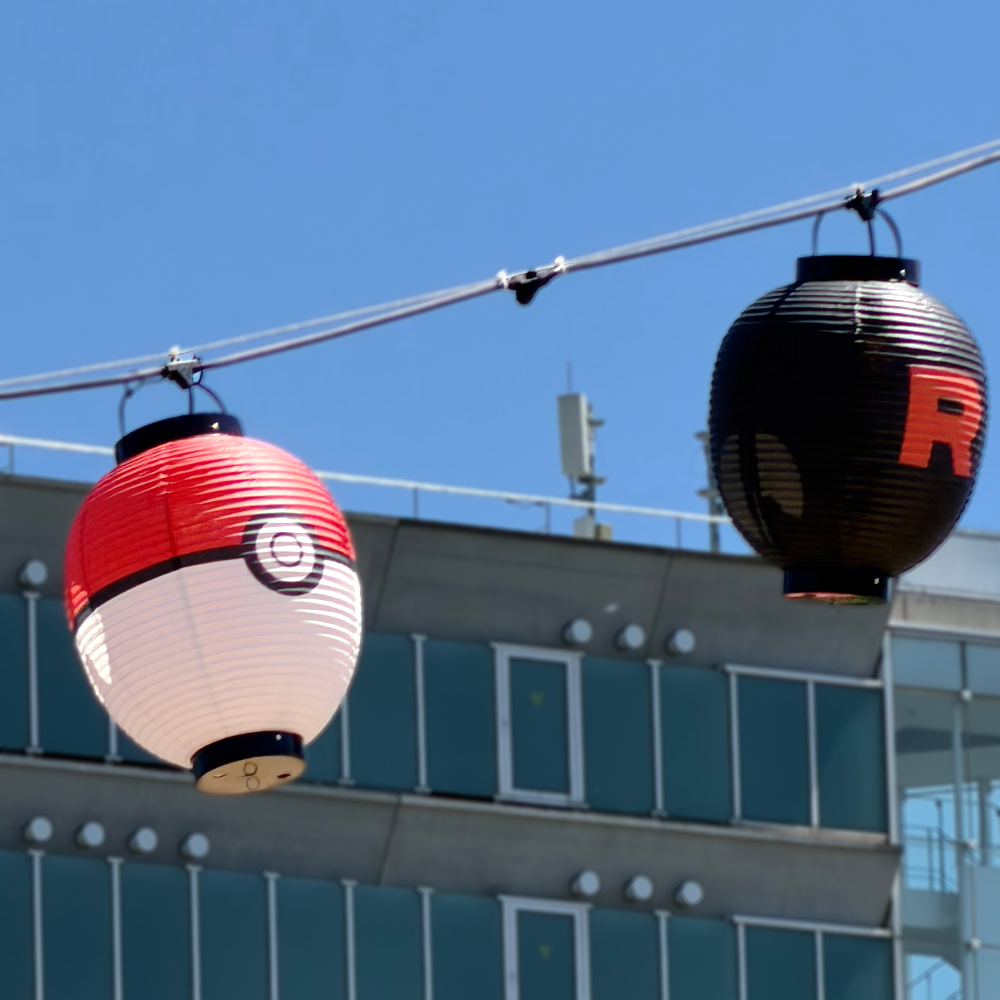
Step into the old streets of Kyoto after dusk, you will find yourself guided by the glowing lanterns. These are chochin (Japanese paper lanterns) that have illuminated temples, festivals and storefronts for centuries. More than just sources of lights, Kyoto’s chochin are the masterpiece of craftsmanship. Walk through Kyoto’s Pontocho alley at midnight, you will see many chochin flutter outside the cocktail bars, teahouses and luxury boutiques. They are the glowing heartbeat of Kyoto’s nightlife. Yet, just a few miles away, the source of this light exists in total stillness. In a cramped workshop, a master artisan sits on a tatami mat.
They scraping a knife against raw bamboo and the handmade washi paper. Here, multi-generational studios keep a 400-year-old craft alive under the buzz of a fluorescent bulb. For travelers who are looking to go beyond the popular routes, discovering the world of lanterns in Kyoto offer a glimpse into the city’s living heritage. Here is where to see, experience and even create these glowing symbols of Japanese culture.
Where to See the Chochin
■ KYOTO
| Yasaka Jinja Shrine | 八坂神社 Located at the edge of the Gion district, Yasaka Shrine is one of the most iconic spots to see chochin. The shrine’s main stage features hundreds of lanterns hung from its eaves. Each lantern show the name of local business or restaurants that sponsored it. Address: 〒605-0073 京都府京都市東山区祇園町北側625 WEB: http://www.yasaka-jinja.or.jp/en/ General Admission: Free How to Go: ● Hankyu Train Line Kyoto Kawaramachi Station → 8 mins by walk ● Keihan Train Line Gion Shijo Station → 5 mins by walk ● Kyoto City Bus no. 206, 100 → Gion Bus Stop |
| Minami-za Theatre | 南座 This gigantic lanterns at Minami-za Theatre, one of the oldest Kabuki theaters in Japan were crafted by Kyoto’s own artisan shops, designed to withstand the elements while welcoming theatergoers with Japanese calligraphy. Address: 〒605-0075 京都府京都市東山区中之町四条通大和大路西入198 WEB: https://www.kabukiweb.net/theatres/minamiza/ How to Go: ● Keihan Main Line Gion-Shijo Station → 2 mins by walk ● Hankyu Kyoto Line Kyoto-Kawaramachi Station → 10 mins by walk ● Kyoto City Bus no. 4, 17, or 205 → Shijo Kawaramachi bus stop → 10 mins by walk |
■ Osaka
| Tenma Market Chochin Alley | 天満市場 A hidden gem in Tenma Market area where a compact alleyway is lined with hundreds of colorful lanterns hanging from the ceiling, creating a vibrant evening atmosphere. Address: 〒530-0033 大阪府大阪市北区池田町7-15 Best Time to Visit: after 17:00 How to Go: ● JR Loop Line Tenma Station → 3 mins by walk ● Osaka Metro Sakaisuji Line Ogimachi Station → 5 mins by walk ● Osaka Metro Sakaisuji Line Tenjinbashisuji 6-chome Station → 5 mins by walk ● Osaka Metro Tanimachi Line Tenjinbashisuji 6-chome Station → 5 mins by walk |
■ Tokyo
| Kaminarimon Gate, Senso-ji Temple | 浅草寺 Home to the most famous chochin in Japan. This iconic red lantern hangs at the main entrance, weighing roughly 700 kg. and measuring nearly 4 meters tall. Address: 〒111-0032 東京都台東区浅草2丁目3-1 WEB: https://www.senso-ji.jp/english/ How to Go: ● Subway Ginza Line Asakusa Station → 5 mins by walk ● Asakusa Subway Line Asakusa Station → 5 mins by walk |
Where to Experience the Crafts
To appreciate the chochin, you must understand how they were made. Unlike factory-made lanterns, the authentic Kyo-chochin (Kyoto style paper lanterns) were meticulously crafted by using a flat-split bamboo panels wrapped with washi paper.
■ Kyoto
| Takahashi Chochin | 高橋提灯 Founded in 1730, Takahashi Chochin is a legendary name in Japanese craftsmanship. This studio is famous for producing the colossal red lantern hanging at Senso-ji Temple’s Kaminarimon Gate in Tokyo. Located in Shimogyo ward in downtown Kyoto where visitors can peek through the studio windows to see how artisans meticulously painting the Japanese calligraphy and crests on the paper structures. Address: 〒600-8052 京都府京都市下京区塩屋町44 WEB: https://chochin.jp/ How to Go: ● Kyoto Municipal Subway Karasuma Line Shijo Station → 5 mins by walk ● Hankyu Kyoto Line Karasuma Station → 5 mins by walk ● Keihan Main Line Gion-Shijo Station → 15 mins by walk |
| Kojima Shoten | 小嶋商店 If you want to do more than just look, head to Kojima Shoten in the Higashiyama district. This studio is renowned for its Jibari-chochin style. They opened the doors to travelers for paper lantern-making workshop. Under the guidance of chochin masters, you will bend the bamboo, apply the washi paper and then paint it by your own design. Address: 〒605-0971 京都府京都市東山区今熊野椥ノ森町11-24 WEB: https://kojima-shoten.jp/en/index.html How to Go: ● JR Nara Line Tofukuji Station → 10 mins by walk ● Keihan Main Line Tofukuji Station → 10 mins by walk ● Keihan Main Line Gion-Shijo Station → 15 mins by walk |
Travel Tips for Choshin Hunting
⚠️ Respect the Shrines: When taking photos at the lanterns in the religious sites like Yasaka Shrine, require a respectful manner and avoid using flash. ⚠️ Book Ahead: Lantern workshop at Kojima Shoten require to reserve in advance. Make sure you reserve several weeks in advance online. ⚠️ Matsuri experience: If you visit Japan during July, don’t miss to experience the Gion Matsuri in Kyoto. The festival features Yama and Hoko floats decorated with hundreds of glowing chochin, turning the night streets into an unforgettable festival. |
The Anatomy of a Flame
| Creating an authentic Kyoto style lantern is a poetic dialogue between maker and material. 🏮 The Skeleton: Artisans split the green bamboo into thin strips, winding them into a spiral frame. 🏮 The Skin: The washi paper are meticulously glued to the frame by using a starch paste. 🏮 The Soul: The lantern is painted by hand with the kanji letters or business logos, then coated in natural oil to withstand the elements. One millimeter of misalignment in the bamboo spine and the entire structure collapses under the tension of the paper. |
When Lanterns Wake Up: The Legend of the Chochin-Obake
The relationship between the artisans and the object explains why the lanterns hold a unique place in Japanese mythology. When a handmade lantern survived for 100 years, it can transform into a Chochin obake (提灯お化け), a famous paper lantern yokai (supernatural spirit). It’s said that the discarded lantern gained a spirit known as tsukumogami.

The Chochin-obake is born when the old washi paper splits along its bamboo ribs, forming a wide mouth and a long tongue rolls out from the tear and a single eyeball blinks at the top.The Japanese artisans do not just build a lamp, they create a vessel worthy of holding light, respecting the bamboo and paper as their living partners. During the world economy obsessed with mass production and digital speed, they accepted that a crafted lantern might take weeks to complete. For them, true arts cannot be automated.
While chochin were lit along the pathways to the shrines, today’s artisans are finding unexpected allies. Many fashion stores and modern bars commission the custom lanterns to evoke an atmosphere of authentic beauty. By blending the ancient geometric structures with contemporary design, Kyoto’s artisans ensure that their crafts remain relevant. They are not only preserving the heritage from the past generations, but also illuminating to the next generations.
RECOMMEND ITEMS
-
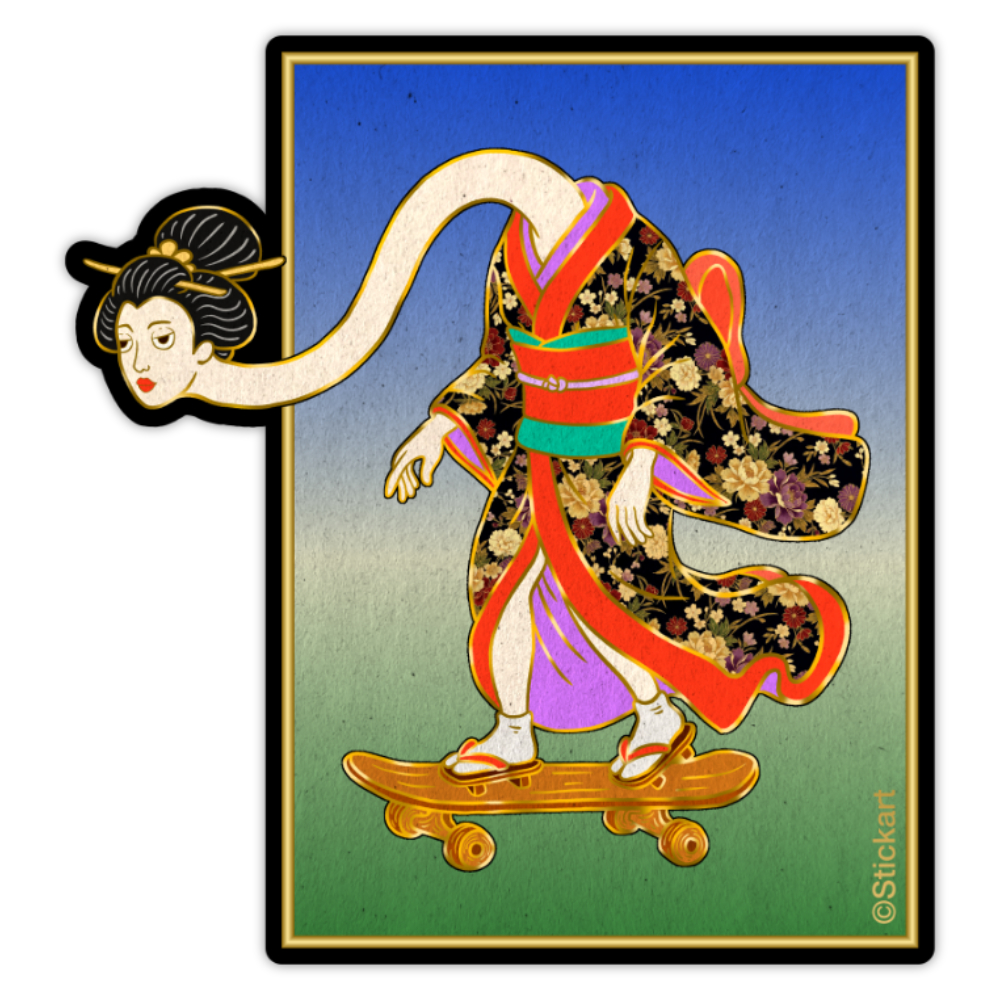
SK8妖怪・ろくろ首
¥550 稅込 -

SK8妖怪・唐傘
¥550 稅込 -

目入れダルマ 開運
¥550 稅込
| STICKART (ステッカート) |
|---|
| ▶︎ 大阪発のデザイン・ステッカー専門店 A sticker store designed by artists from Osaka, Japan ▶︎ Powered by AG-TECH™: 夜間も目立つ反射素材採用 | 3年以上の屋外耐候・完全防水 Reflective sticker for high visibility at night, 100% waterproof and weather-resistant for outdoor use for 3 years+ ■ 購入金額1,500円(税込)以上で送料無料(日本全国) We offer free nationwide shipping on all purchases of 1,500 yen or more (tax included). |