Artist Interview : BE ORIGINAL – JINPO
“Nothing new under the sun, but it’s up to you to elevate it to Another Level.” — JINPO
「『太陽の下に新しいものはない』と言われるように、世の中に完全なゼロから生まれるものなんてないのかもしれません。だからこそ、自分の手で既存のものを一つひとつブラッシュアップし、さらなる高みへと引き上げていきたいんです。」
✦ On BE ORIGINAL: The Streets Don’t Believe in Just Copying
“BE ORIGINAL” On the surface, the phrase sounds pretty ordinary. You might look at it and think: Isn’t it just about ‘being yourself’? But to me, this concept has a much deeper root in street culture.
If you’ve ever been a B-Boy, you probably know that back in the 90s Hip-Hop scene, there was a classic hand sign called “Bite”.
What does it mean? It means that if you blindly replicate someone else’s move without thinking or truly digesting it, you are “biting”—you’re straight-up copying. On the streets, if that hand sign is thrown at you, you are going to be deeply disrespected.
“Nothing new under the sun.” Let’s be honest, living in this fast-paced modern era where AI can do almost anything for you, there really isn’t much out there that is 100% pure and original anymore. Even I can’t do it. Given that, why do we still chase originality?
To me, the true value of originality doesn’t lie in whether you can build a skyscraper entirely from scratch. It’s about whether you are willing to be a “Fusionist.” You absorb a little bit from here, dig a little bit from there, and then use your raw intuition and soul to fuse them together, breaking the mold of who you were yesterday. When you personally elevate it to Another Level—that grit, that hustle, is what makes it your Original.
| BE ORIGINAL: ストリートではただの模倣なんか信じない 自分らしさ(Be Original)」という言葉は、ごくありふれたものに思えるかもしれない。よく考えてみると、「自分らしくありたいありのままで?」と思い出した。だけど、私にとってはこのコンセプトが、ストリートカルチャーに深いところに根ざしているものなんだ。 あなたはB-Boy(ビー・ボーイ)として経験があるなら、90年代のヒップホップシーンで「バイト(Bite)」と呼ばれるジェスチャーがあったのを覚えているはずだ。つまり、他のB-Boyの生み出したムーブやスタイルを深く考えずに、自分の中で完全に消化しないまま模倣したのは、『バイティング(Biting)』と呼ばれる。ストリートでそのジェスチャーを向けられたら、めちゃくちゃ舐められてるってことだよ。 「陽の下に新しいものは何もない」は正直に言ったと、AI(人工知能)で何でもやってくれる現代には、100%のオリジナルなんて存在しないだよね。もちろん、AIみたいにやるなら私も出来ない。なぜ私たちは今も『オリジナリティー』を追い求めるか? オリジナリティーは、高層ビルをゼロから完全に建てることじゃないんだと思って、『フュージョニスト(Fushionist)』として物事を組み合わせる自分の意志を持ち考えている。あちこちから少しずつ知識やインスピレーションを吸収し、それらを自らの直感と魂で一つに融合させる。過去の自分を超え続けて、自らをもう一段上のステージへと押し上げる。そのハッスルや気概はあなたを唯一無二の存在になる。 |
✦ When the “Traditional Paper Lantern” Meets “That Pixar Lamp”
The Chōchin Lanton collection I created for Stickart is the living realization of this original spirit.
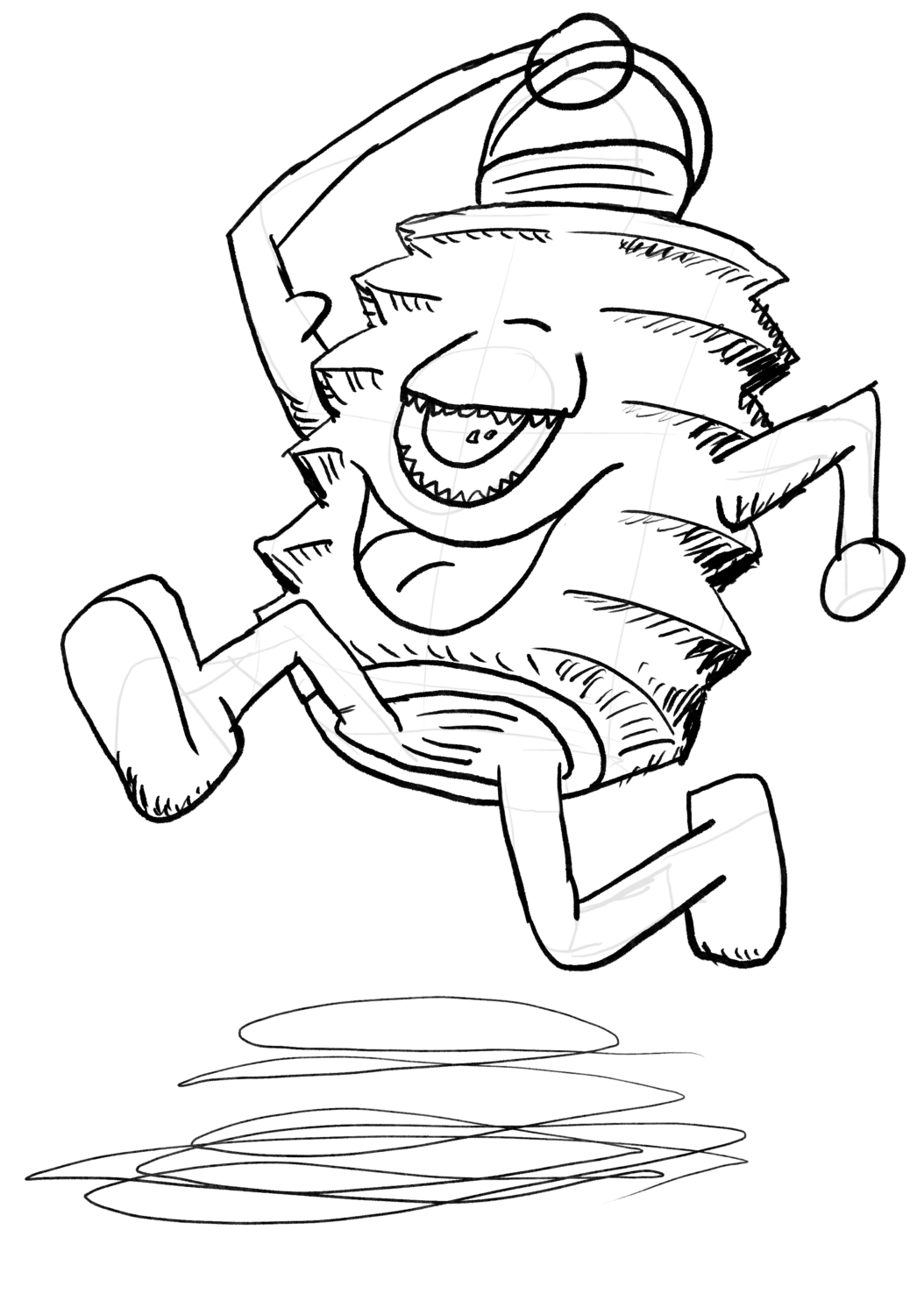
The material itself has a fascinating trait: it stays completely low-key in the dark, but the moment it catches a glimpse of light, it reflects intensely and demands to be seen. It instantly reminded me of watching the opening of Pixar movies as a kid that little lamp hopping around in the dark, bursting with life.
I thought to myself: What kind of sparks would fly if I took this concept of “bouncing light and shadow” and crashed it straight into the “Lantern Monster” of traditional Japanese folklore?
Traditional lanterns were made of paper, a “relic of the past” meant to illuminate the dark. But now, I’ve given it hands and feet, transforming it into a rebellious character that floats and can even pick up its own handle. When it hits the modern streets—stuck onto a rider’s motorcycle, a skateboard, or a laptop—all it takes is a passing headlight for that “Monster Lantern” to instantly awaken from the shadows. That is the beautiful chemical reaction between material and artistic character.
日本の伝統的な提灯が「あのピクサーランプ」と出会うとき Stickartのために制作した「提灯ラントン」シリーズは、このオリジナリティーがある精神を具現化したものだ。この素材は非常に興味深い特徴がある。暗闇の中では完全に目立たない状態を保って、ひとたび光を捉えた瞬間に、ものすごい輝きで、思わず目を奪われる。子供の頃、私はピクサー映画のオープニングシーンをワクワクしながら観ていた記憶が再び蘇った。あの暗闇の中で、小さなランプが生き生きと跳ね回るシーンだ。 日本の伝統的な妖怪「提灯お化け」に真っ向から衝突させたら、「光と影の跳ね返り」というコンセプトでどんな火花が散るのだろう?そう思ったんだ。伝統的な提灯は紙で作られており、暗闇を照らすための「過去の遺物」だった。しかし、今は私がそれに手足を与え、宙に浮かんだ状態で、自らの持ち手(手落ち)を掴むことができる反逆的なキャラクターとして生まれ変わらせた。それが現代のストリートへと飛び出し、車、バイク、スケートボード、あるいはノートパソコンに貼られる。通り過ぎるヘッドライトの光を浴びるだけで、この「モンスターランタン」は影から瞬時に目覚めた。素材とアートキャラクターの間で起きた美しい化学反応だ。 |
✦ For the Riders: An Alternative to the “Cookie-Cutter” Standard
The way I balance tradition and modernity is always deeply tied to the reality of the streets.
Reflective stickers are most commonly slapped onto vehicles because riders and car owners naturally crave to be seen and noticed. But out on the road, what we see most often is that green-and-yellow, painfully rigid “Koshinsha” (beginner driver sign) sticker. It’s pretty boring, isn’t it?
So, I did a bold piece of re-creation: I fused the traditional Lantern Monster with the “Beginner Sign” of modern car culture. I wanted to give street riders an alternative to just blending in as another generic face on the road. I want them to know that even if you have to display a beginner sign, you can still flash your own BE ORIGINAL attitude while doing it.
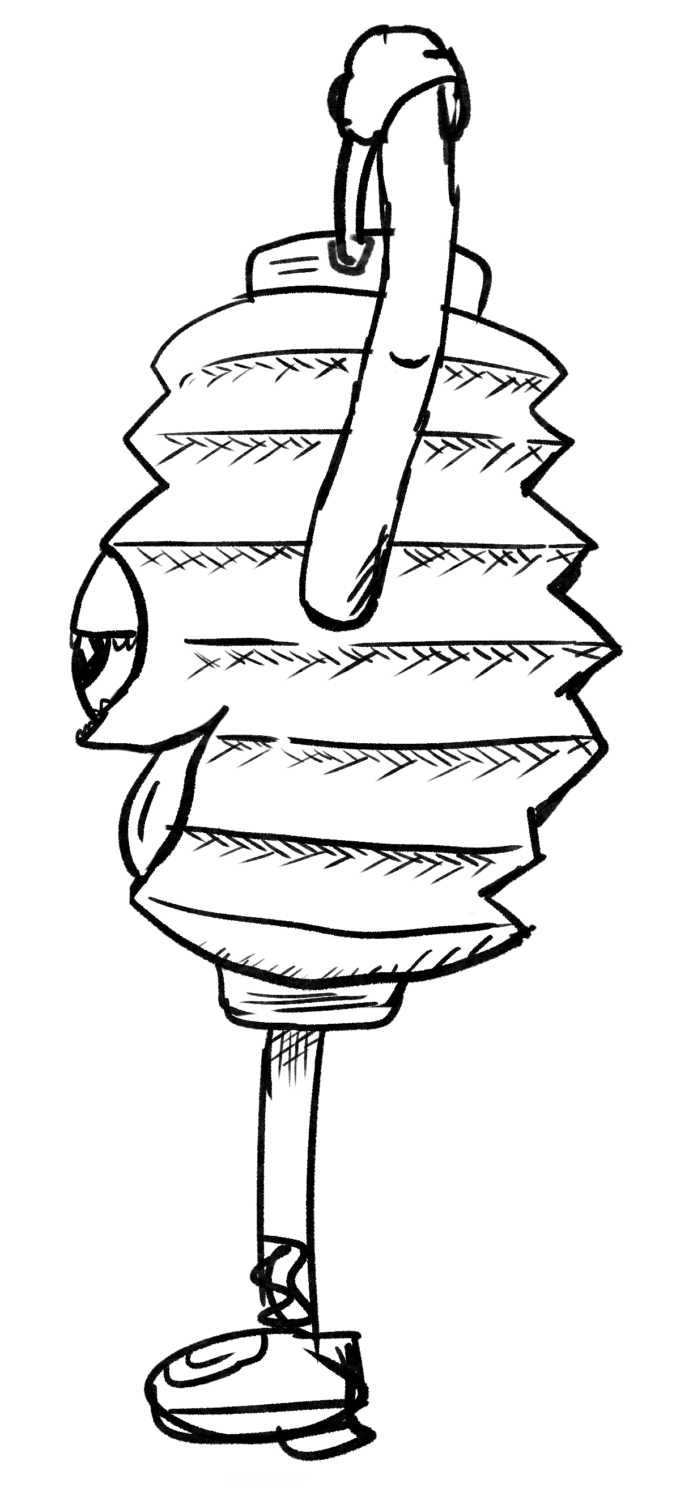
| ドライバーたちへ:初心者マークという無個性へのアンチテーゼ 私が伝統と現代性のバランスを取るアイディアは、常にストリートの現実と深く結びついている。反射ステイッカーを好きで車両に貼り付けた多くの人は、自車が見られるように注意したいと考えた。でも、道路でよく目にするのは、緑色と黄色の初心者マークだ。少し退屈に感じているね。 だからこそ、私は大胆な再創作を試みて、伝統的な提灯お化けと現代のカーカルチャー(自動車文化)である『初心者マーク』を融合した。路上で単なるその他大勢の無個性な顔として理もれてしまうことに、別の選択肢を与えたかった。初心者マークを見せても、「自分らしさ(Be Original)」の世界観を大切にしてアピール出来るように、ドライバーたちに知ってほしい。 |
✦ The Process of Creation: Leave the Wild Imaginations to Your Body
A lot of people ask me: now that AI is so convenient and can generate an image in a split second, do we still need to draw things by hand?
To me, AI is like a phone call. You can dial in at any moment and someone will get the job done for you – it’s convenient, sure. But the things you create with your own hands are the only things that keep you honest with yourself. The Process of artistic creation can never be replaced.
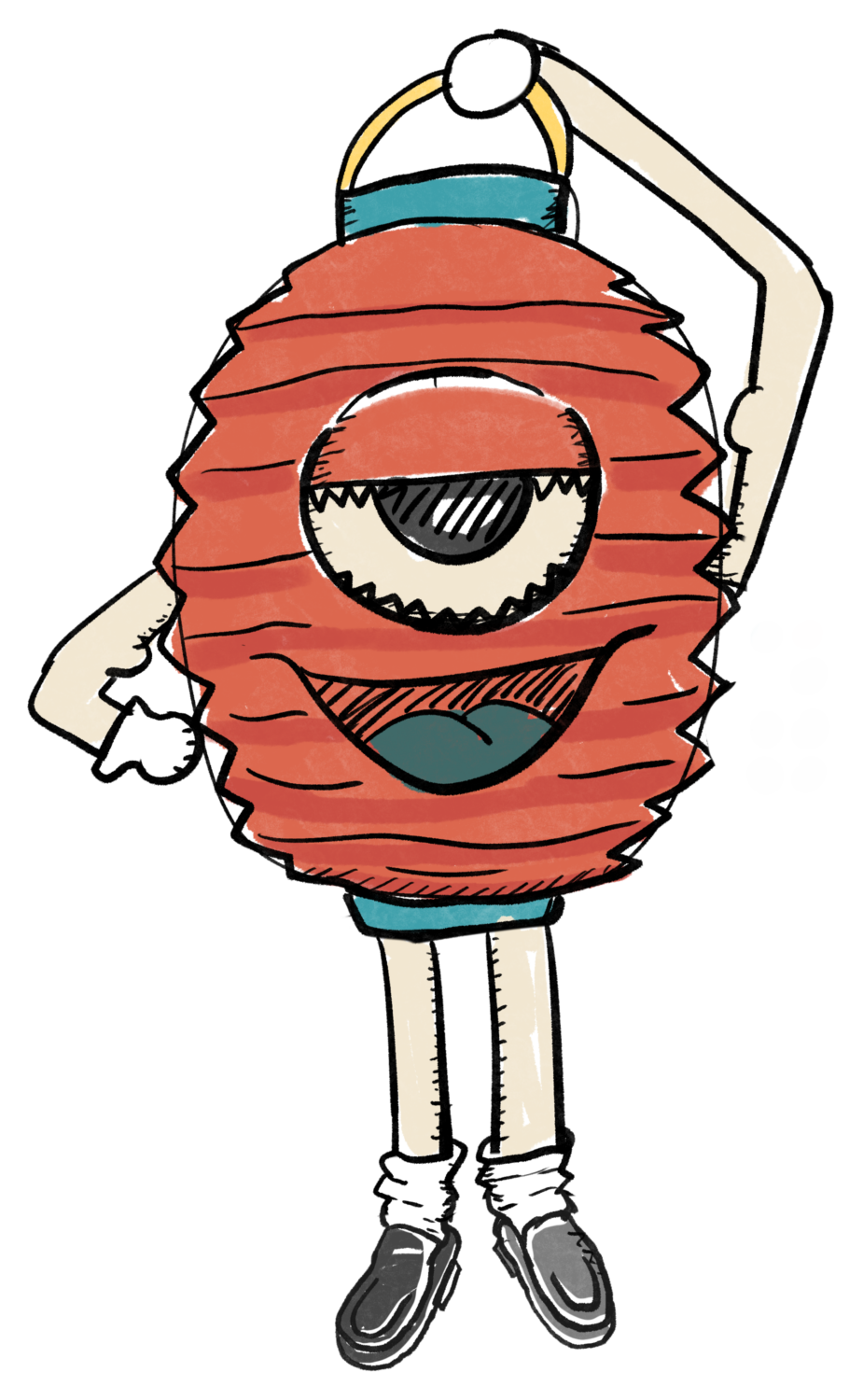
It’s just like how in the morning, my mind can wildly imagine a highly complex breakdance move. In my head, I’m pulling off a flawless flip, spinning, and sweeping my legs perfectly. But when night falls and I’m alone in the studio putting it into practice, my body will inevitably snap me back to reality: there’s a gap. You can almost never 100% replicate the perfect image you had in the morning.
| But so what? That exact journey from the “wild imagination of the morning” to the “physical reality of the night” is the most thrilling, authentic and fulfilling part of creating. This wide-eyed Chōchin Lanton carries that exact meaning: “In a dark, fast-food era, it’s here to help you see through the noise and illuminate the irreplaceable details of being original.” |
創造のプロセス:想像は自由奔放に、現実は身体に委ねろ AI(人工知能)がこれほど便利になって想像したものを一瞬で生成できるようになった。今でも、手で絵を描くのが必要ではないか?とよく尋ねられた。 私にとってAIは「電話」のようなものだ。いつでもかけさえすれば、誰かが仕事を終わらせてくれる。確かに便利だ。しかし、自分の手で作り出したものだけが、自分自身に対して誠実であり続けさせてくれる。つまり、芸術創造のプロセスは、自分らしさが与えるものなので、別のものに置き換えない。朝のうちは、頭の中でものすごく複雑なブレイクダンスのムーブを自由に思い描くようなものだ。完璧なフリップを決めて鮮やかにスピンした。 朝のうちは、頭の中でものすごく複雑なブレイクダンスのムーブを自由奔放に思い描くことができる。フリップ(宙返り)をはじめ、スピン(回転速度)、スウィープ(足を払う)完璧にした。夜が訪れたと、スタジオで一人で練習した。私の体力が落ちてきて現実に戻した。朝と夜で体の調子に差があって、朝の完璧なイメージと同じようにほとんど変えられない。 |
| 何を言いたい? 「朝の自由奔放な想像」から「夜の身体的な現実」へと向かうその旅が、モノづくりにおいて最もスリリングで、リアル、満たされる瞬間なのだ。目を大きくしたこの「提灯ラントン」は、まさにその意味が込められている。ファストフード化された暗黒時代の中で、ノイズを通じて「自分らしさ(Be Original)」の代えがたいディテールを照らし出すために、それはここにある。 |
About JINPO
| STICKART (ステッカート) |
|---|
| ▶︎ 大阪発のデザイン・ステッカー専門店 A sticker store designed by artists from Osaka, Japan ▶︎ Powered by AG-TECH™: 夜間も目立つ反射素材採用 | 3年以上の屋外耐候・完全防水 Reflective sticker for high visibility at night, 100% waterproof and weather-resistant for outdoor use for 3 years+ ■ 購入金額1,500円(税込)以上で送料無料(日本全国) We offer free nationwide shipping on all purchases of 1,500 yen or more (tax included) |