
Rhythm of the Moon Through Music
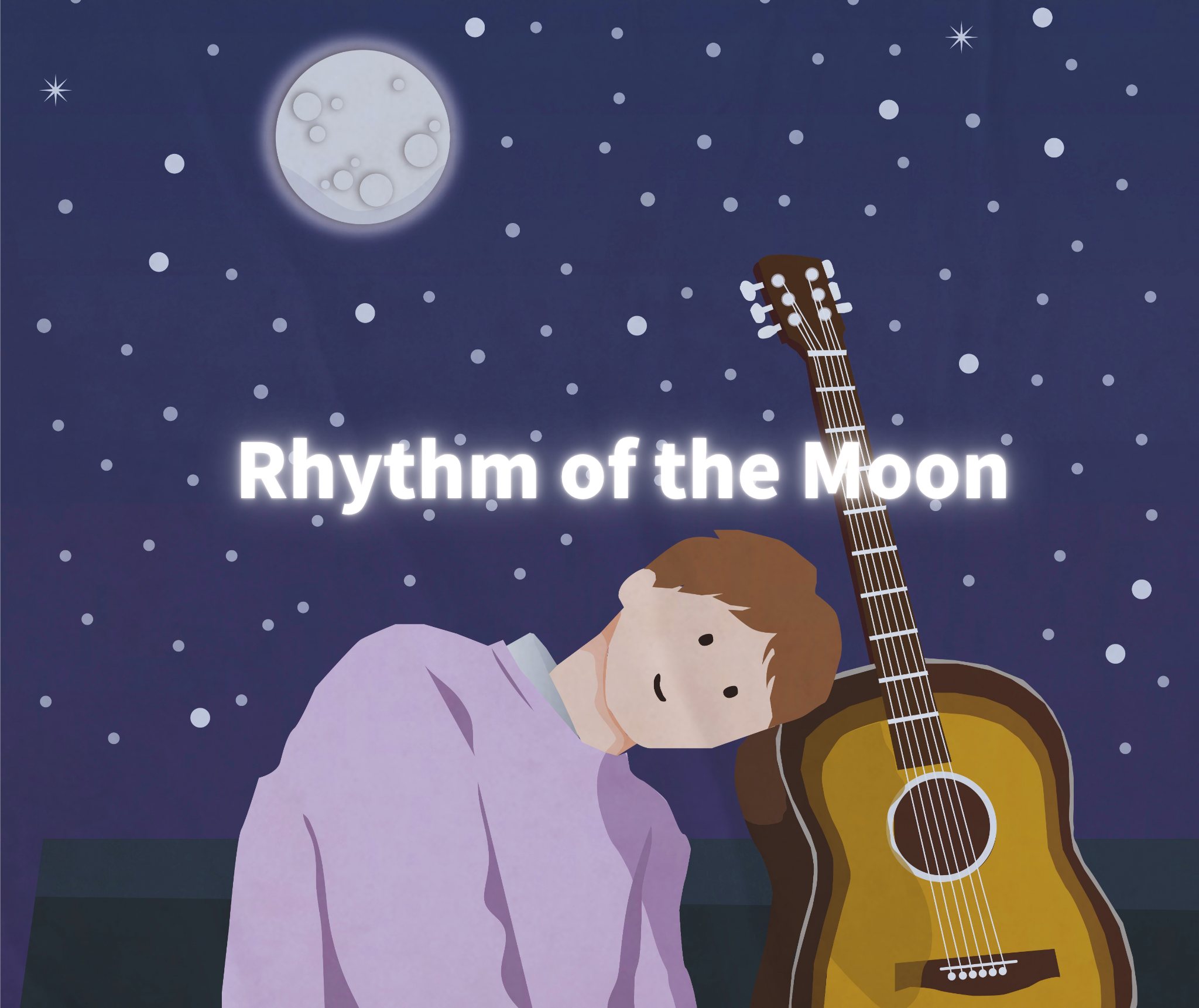
| The moon has always been music’s ultimate canvas for love, longing, and mystery. But in Asia no song captures its poetic weight quite like “The Moon Represents My Heart” (月亮代表我的心) by the legendary Teresa Teng, this timeless song bridges generations, cultures, and genres among oversea Chinese worldwide. For the modern art, lifestyle, and music enthusiast, the song’s enduring legacy offers a deep look into how visual metaphors and auditory art intertwine. Here is why this classic remains the “moon song” and how its cultural orbit continues to expand. |
| The Art of a Timeless Metaphor |
|---|
| In Western pop culture, musicians often write about “flying to the moon” or singing under a “moon rising.” However, Asian music traditions frequently view the moon as a steadfast mirror of human emotion and aesthetics. In the song’s lyrics, the singer defends their love against doubts by pointing to the sky. Unlike the shifting tides, the moon is a permanent fixture. It represents a love that is pure, bright, and always present, even when it was hidden from view. It’s a definitive anthem of nostalgia, especially during cultural events like the Mid-Autumn Festival. When families and lovers are separated by distance, looking at the same full moon binds them together through a song. |
| For creatives and art lovers, music is more than background noise, it is an emotional trigger. The melody is universally intuitive that even non-Chinese speakers immediately connect with its emotional core. The song embodies the Retro Asian Aesthetic. Whether you are spinning vintage vinyl or streaming the latest indie-pop cover, it evokes a cinematic sense of romance. The rich imagery of the song makes it a frequent muse for graphic designers, painters, and cover artists exploring themes of celestial love and longing. “The Moon Represents My Heart” proves that great art never truly fades. It simply waits for the next artist to look up at the night sky and find a new way to sing its praises. |
| Connecting Teresa Teng and Japan’s Poetic Moon Songs |
|---|
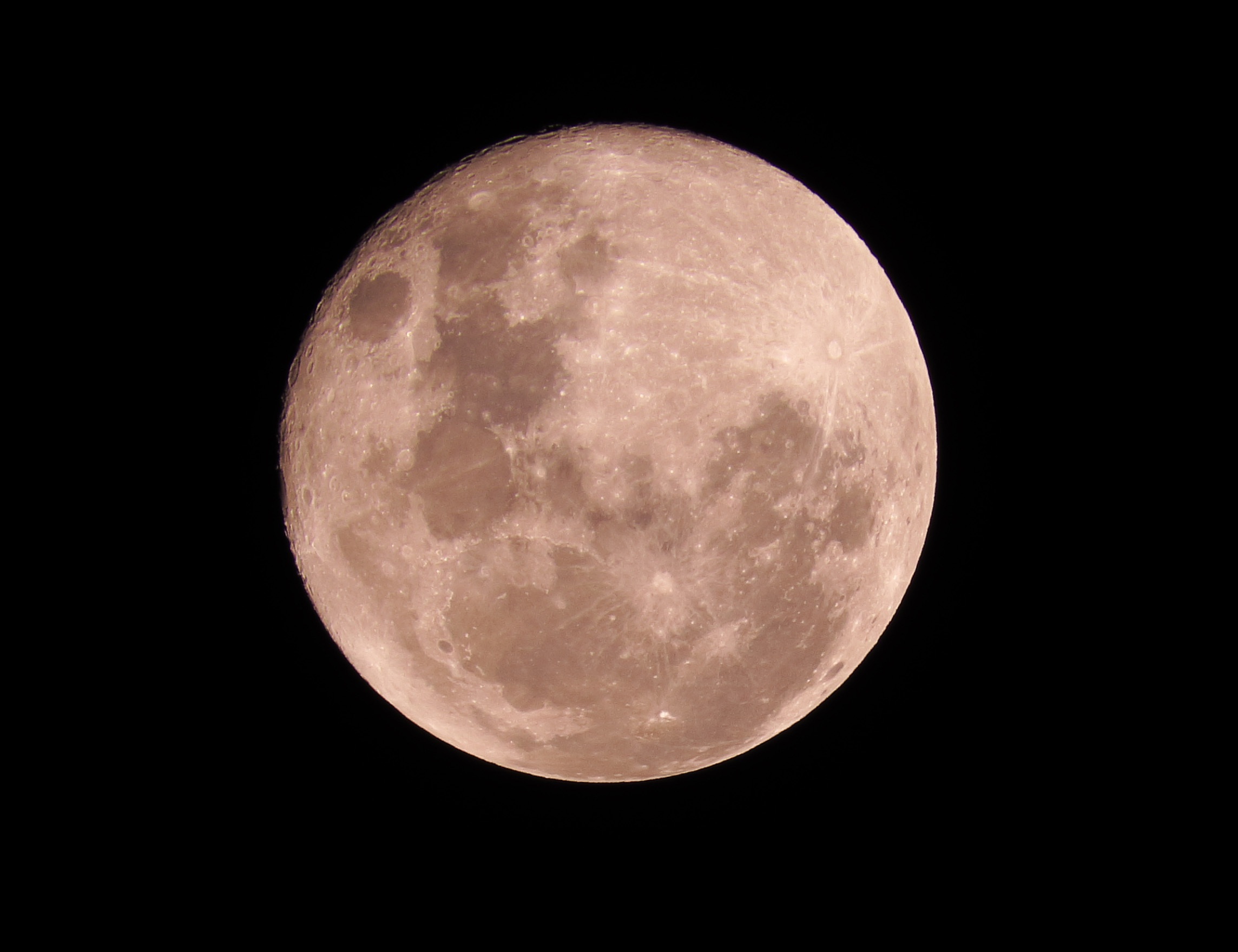
| In Japanese culture, you rarely say “I love you” directly. Instead, thanks to the famous Meiji period novelist Natsume Sōseki, many lovers use a poetic phrase, “Tsuki ga kirei desu ne” (月が綺麗ですね) which means “The moon is beautiful, isn’t it?” This profound cultural connection between the moon and the human heart makes the Japanese musical landscape the perfect companion to Teresa Teng’s “The Moon Represents My Heart”. For Stickart.jp, we look at how Japan translates this exact celestial metaphor into any kind of art forms including the iconic songs that mirror the depth of a lover’s soul. |
| The Trilogy of the Japanese Moon & Heart |
|---|
| When expanding your playlist from Mando-pop to J-pop and traditional Japanese music, these three tracks perfectly capture the essence of a heart reflected by the moon: |
| 1. “Tsuki no Shizuku” (月のしずく) – RUI (Shibasaki Kou) |
|---|
| Released as part of a movie soundtrack, the title translates to “Teardrops of the Moon.” It portrays the moon as a silent guardian that absorbs the unspoken sorrows and deep longings of lovers separated by space and time. It’s widely considered one of the most beautiful romantic ballads in modern J-pop history. |
| 2. “Tsuki” (月) – Keisuke Kuwata |
|---|
| The legendary frontman of J-Pop group Southern All Stars uses the moon as a bright witness to a broken yet intensely loving heart. It strips away the polished pop outer layer to show the lonely side of loving someone under the night sky. |
| 3. “Kōjō no Tsuki” (荒城の月) – Rentarō Taki (Classic) |
|---|
| Meaning “The Moon over the Ruined Castle,” this Japanese song is released since 1901. While Teresa Teng sings about an enduring romance, “Kōjō no Tsuki” contrasts the unchanging light of the moon with the fleeting nature of human glory and empires. It’s the expression of Mono no Aware (the beautiful sadness of impermanence) in Japanese sense of arts. |
| The connection is more than just thematic. Teresa Teng herself spent a massive portion of her career in Japan as a top charting Enka and J-pop artist (recording hits like Tsugunai and Toki no Nagare ni Mi o Makase). She masterfully blended Chinese poetic romance with Japan’s moody melodies. Whether it is the gentle pop strings of modern J-pop, classic erhu and orchestra behind Teresa Teng, both musical worlds share a singular truth about “when words fail to capture the weight of our feelings, we only need to look up.” |
| In Asian pop culture, the moon is the visual and emotional mirror for the human soul. Whether it is the poetic image of Mando-pop or the deep emotional undercurrents of J-pop, musicians have always looked upward to express what words cannot. We trace how this lunar fascination expands beyond traditional borders, colliding with the stunning world of modern K-pop. From stunning choreography to deeply personal solo tracks, Korean artists use the moon to anchor some of their biggest hits as well. |
| K-Pop Lunar Spectrum: Darkness, Devotion, and Rebirth |
|---|
| K-pop takes the traditional moon metaphor and supercharges it with modern genres by fusing R&B, synth-pop, and dark concepts into mesmerizing sonic art. If you are building the celestial playlist, these tracks are essential: |
| 1. “Over the Moon” – TOMORROW X TOGETHER (TXT) – BIGHIT MUSIC |
|---|
| Representing the bright side of love, this hit functions as a swoon-worthy serenade. TXT sings about flying past the stars and soaring when holding onto a loved one. It’s the modern evolution of Teresa Teng’s timeless devotion, wrapped in synchronized choreography. |
| 2. “Moon” – Jin of BTS (BIGHIT MUSIC) |
|---|
| In this brilliant conceptual track, Jin flips the script, he sings from the perspective of the Moon itself, looking down at Earth (which represents the fans, ARMY). He confesses that the Earth is his beautiful oasis, and he will orbit it forever to keep it bright. |
| 3. “Full Moon” – Sunmi (JYP) |
|---|
| Moving away from innocent romance, Sunmi uses the full moon as a symbol of transformation, passion, and urgency. The track treats the moonlight as a catalyst for a mystical midnight encounter, perfectly paired with the dark aesthetics that artists love. |
| 4. “Time for the Moon Night” – GFRIEND (HYBE Corporation) |
|---|
| The title translates to “the time night invites the moon,” capturing that lonely hour when the sun goes down and memories of a lost love rush back. It beautifully mirrors the melancholy found in Japanese Mono no Aware tracks as well. |
| Cinematic Serendipity: Comrades: Almost a Love Story |
|---|
| To understand the power of “The Moon Represents My Heart”, one must look at Hong Kong-born director Peter Chan’s film “Comrades, Almost a Love Story” in 1996. The film does not just feature the music of Teresa Teng, it’s entirely anchored by it. It stands as one of the most poignant explorations of diaspora, fate, and the accidental gravity of true love in film history. For the last chapter of our music feature at Stickart.jp, we delve into how a chance encounter on a train evolved into a decade-long lunar orbit of missed connections and destined reunion. |
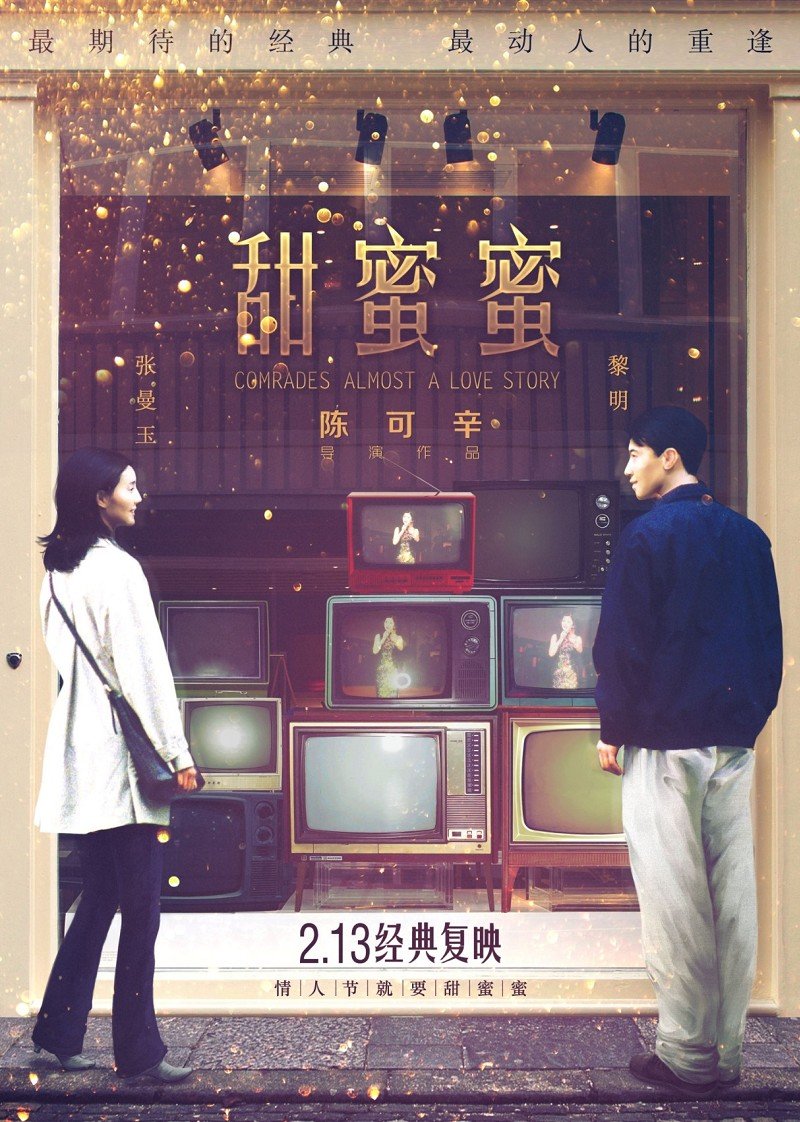
| The story begins in 1986. Two mainland Chinese immigrants, Li Xiaojun (Leon Lai) and Li Qiao (Maggie Cheung Man Yuk) arrived in a bustling country Hong Kong. Xiaojun is a simple guy from northern China who barely speaks Cantonese. He rides a bicycle around the city and saving every penny to eventually bring his hometown fiancée to Hong Kong. While Qiao is fiercely ambitious, and desperate to shed her mainland identity to succeed in the city. They meet by chance across a US-chain store McDonald’s counter. In a harsh, alienating metropolis where they are both isolated outsiders, they forge a deep bond born out of loneliness and shared survival. |
| As their friendship inevitably morphs into a passionate but complicated affair, Teresa Teng’s music becomes the thread connecting them back to who they are. In one iconic sequence, Qiao tries to sell Teresa Teng tapes at a Lunar New Year market, mistakenly assuming every mainlander in Hong Kong will buy them. When the venture fails miserably, it exposes her deep-seated fear of being exposed as an outsider. Throughout their shifting relationship, “The Moon Represents My Heart” plays as a silent witness. While Xiaojun remains bounded by his duty to his fiancée, and Qiao chases financial security with a sympathetic triad boss (Eric Tsang), Teng’s voice echoes in the background – a painful reminder that despite their physical separation, their love remains as constant and unchanging as the moon. |
| Years pass, and the currents of life scatter them across the globe. Xiaojun marries his fiancée, but the marriage fractures under the weight of his unresolved feelings for Qiao. Qiao flees Hong Kong and winds up adrift in America. Both find themselves living separate, lonely lives as immigrants and outsiders once again – this time on the streets of New York City. They wander the same grid of Manhattan streets for years, completely unaware of each other’s proximity. Then comes May 8, 1995. The news breaks worldwide fans that Teresa Teng has suddenly passed away, two years before Hong Kong handover. Walking past an electronics store display in Chinatown, Xiaojun stops dead in his tracks to watch the broadcast. A few seconds later, another drifting soul stops to look at the same television set. It’s Qiao. As the melancholic notes of Teresa Teng fill the New York air, the two characters turn their heads and lock eyes. They are older, weathered by time and grief, but brought together by the exact same voice that defined their youth. |
| Peter Chan’s cinema beautifully shows that love isn’t just about passion, it’s about timing and shared identity. Xiaojun and Qiao were two loose threads in a big world, but their shared cultural memory wrapped inside the melody of a moon song, ultimately acted as an unbreakable tether. Just as the moon represents the constant heart in the lyrics, it pulled these two drifters back into the exact same orbit. |
-

MochiTsuki (Blue)
¥550 稅込 -

MochiTsuki (Green)
¥550 稅込 -
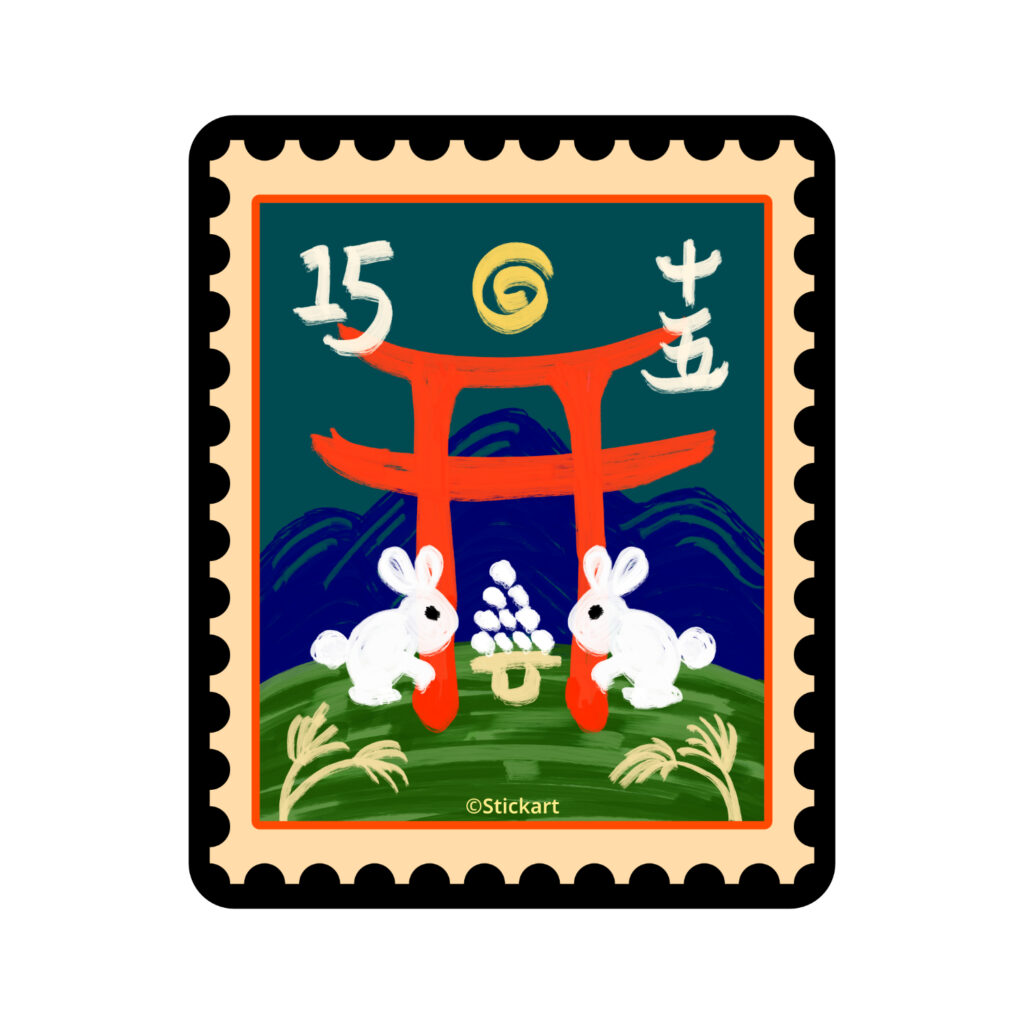
Moon Mail
¥550 稅込 -

Moon Rabbit (Blue)
¥550 稅込 -
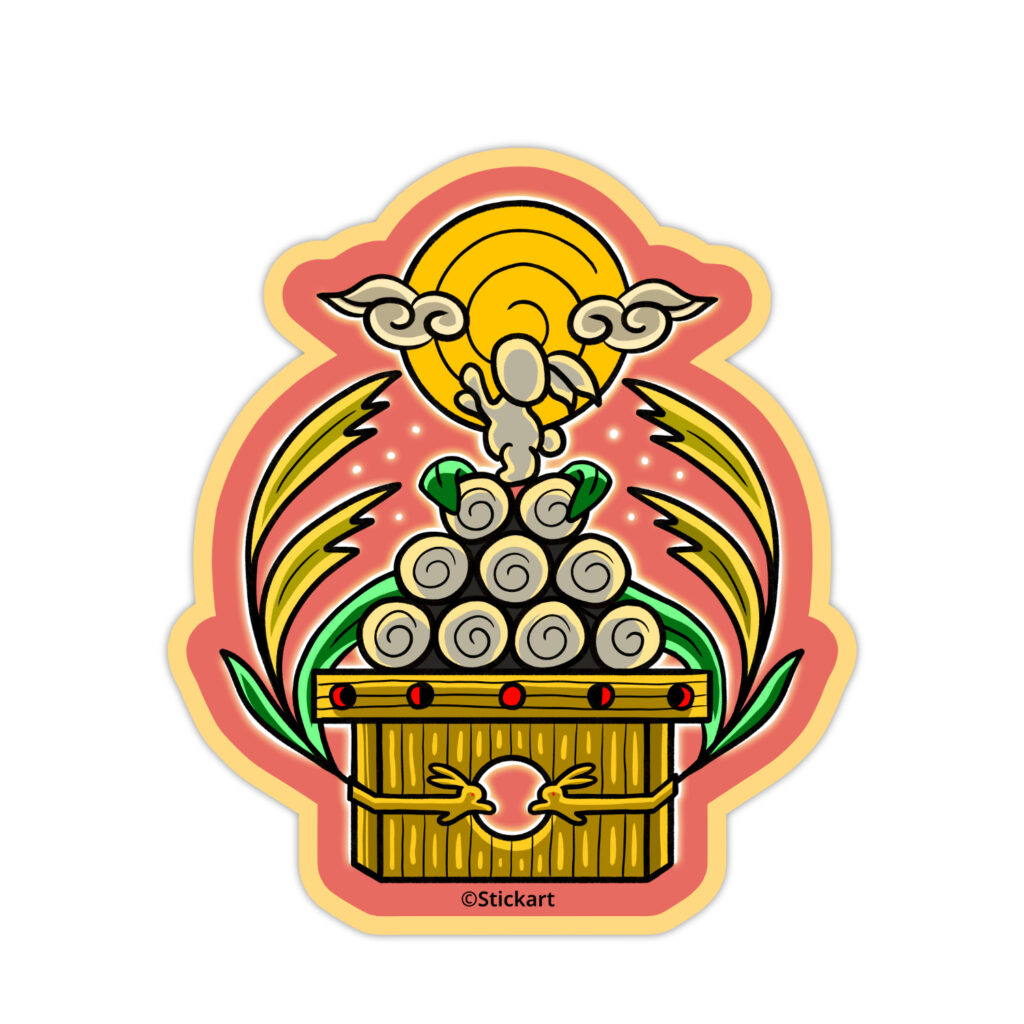
Moon Rabbit (Pink)
¥550 稅込 -
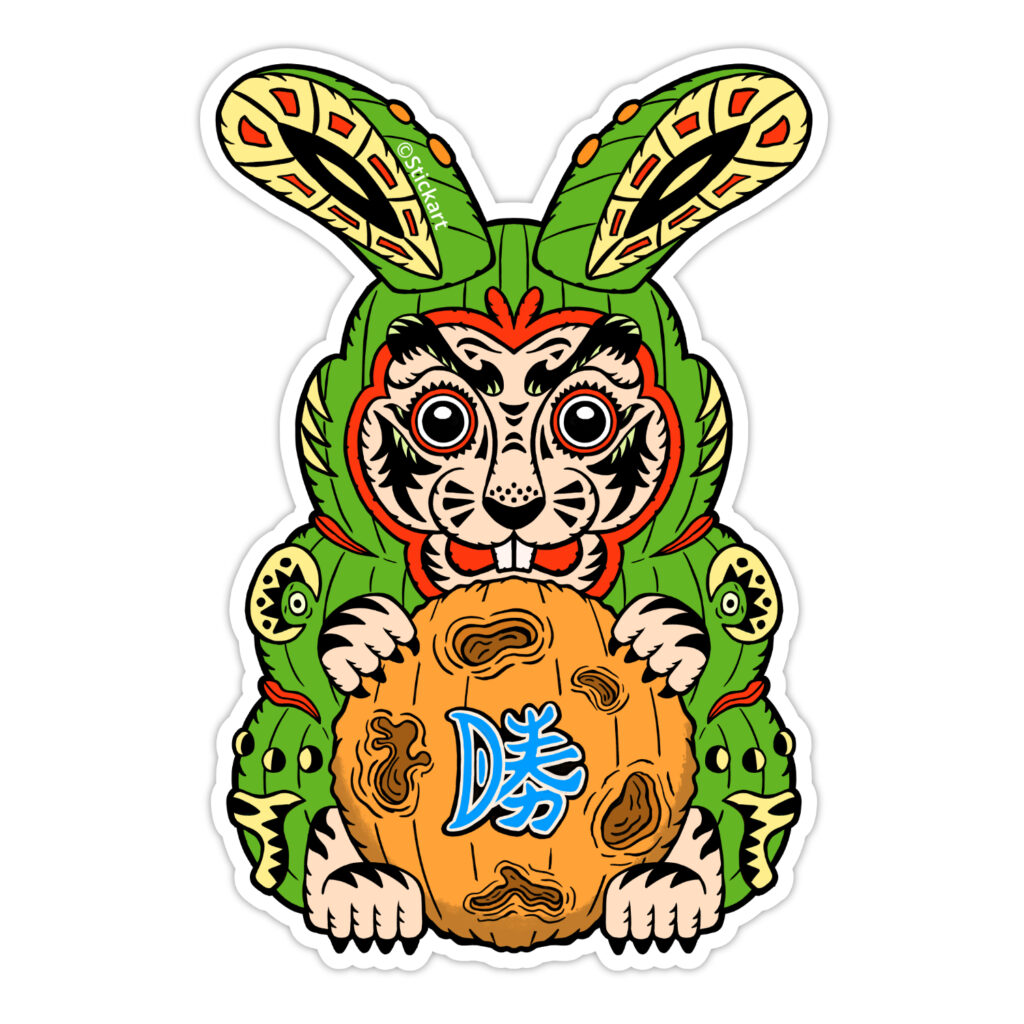
Victory Rabbit Daruma (Green)
¥550 稅込 -
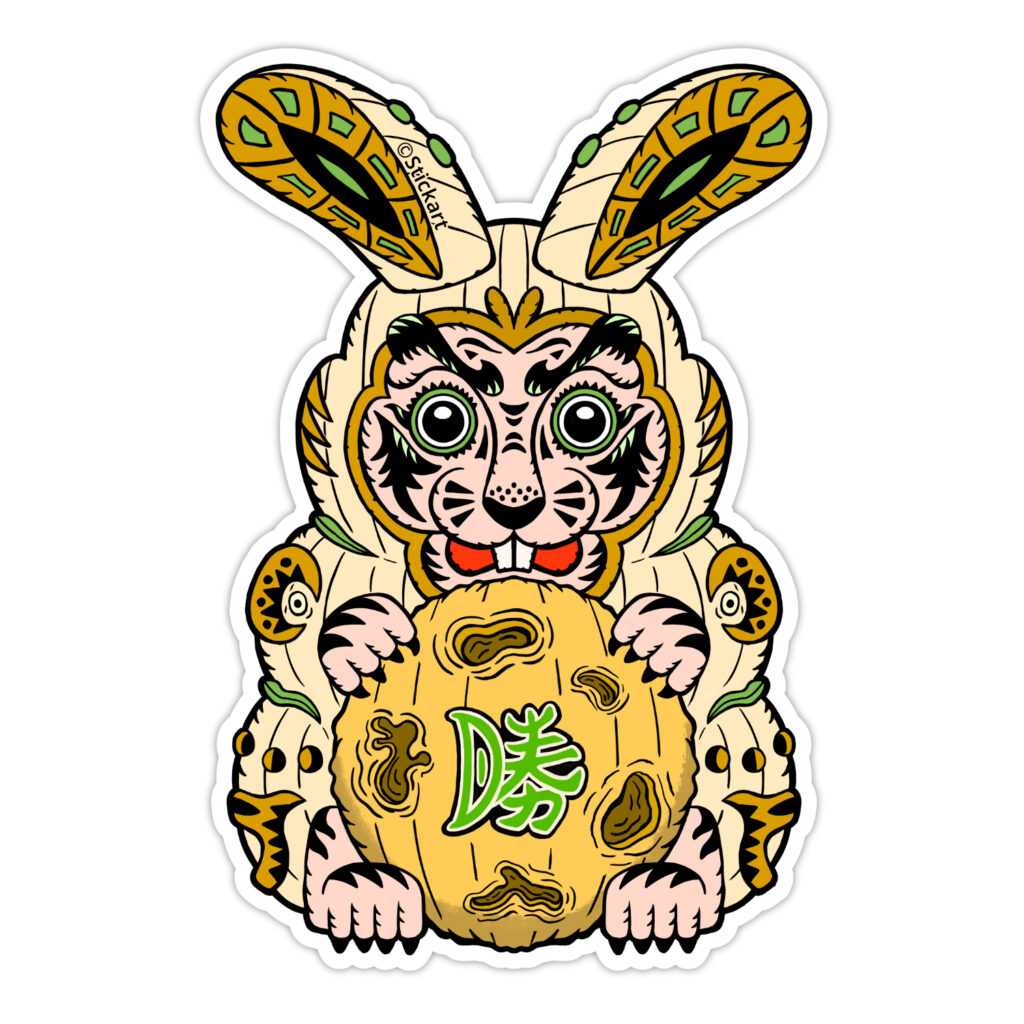
Victory Rabbit Daruma (Ivory)
¥550 稅込 -
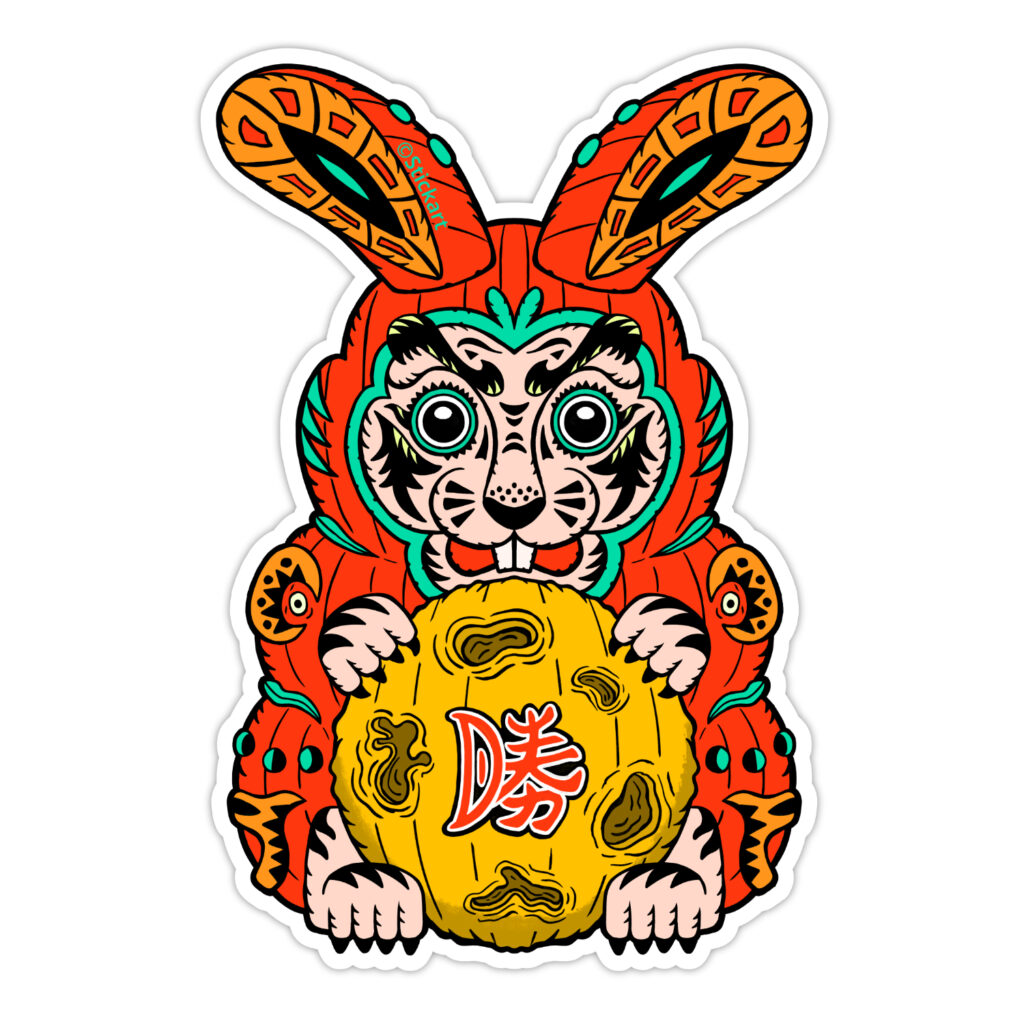
Victory Rabbit Daruma (Red)
¥550 稅込