
Tales of the Night Sky: Legend of the Moon Rabbit
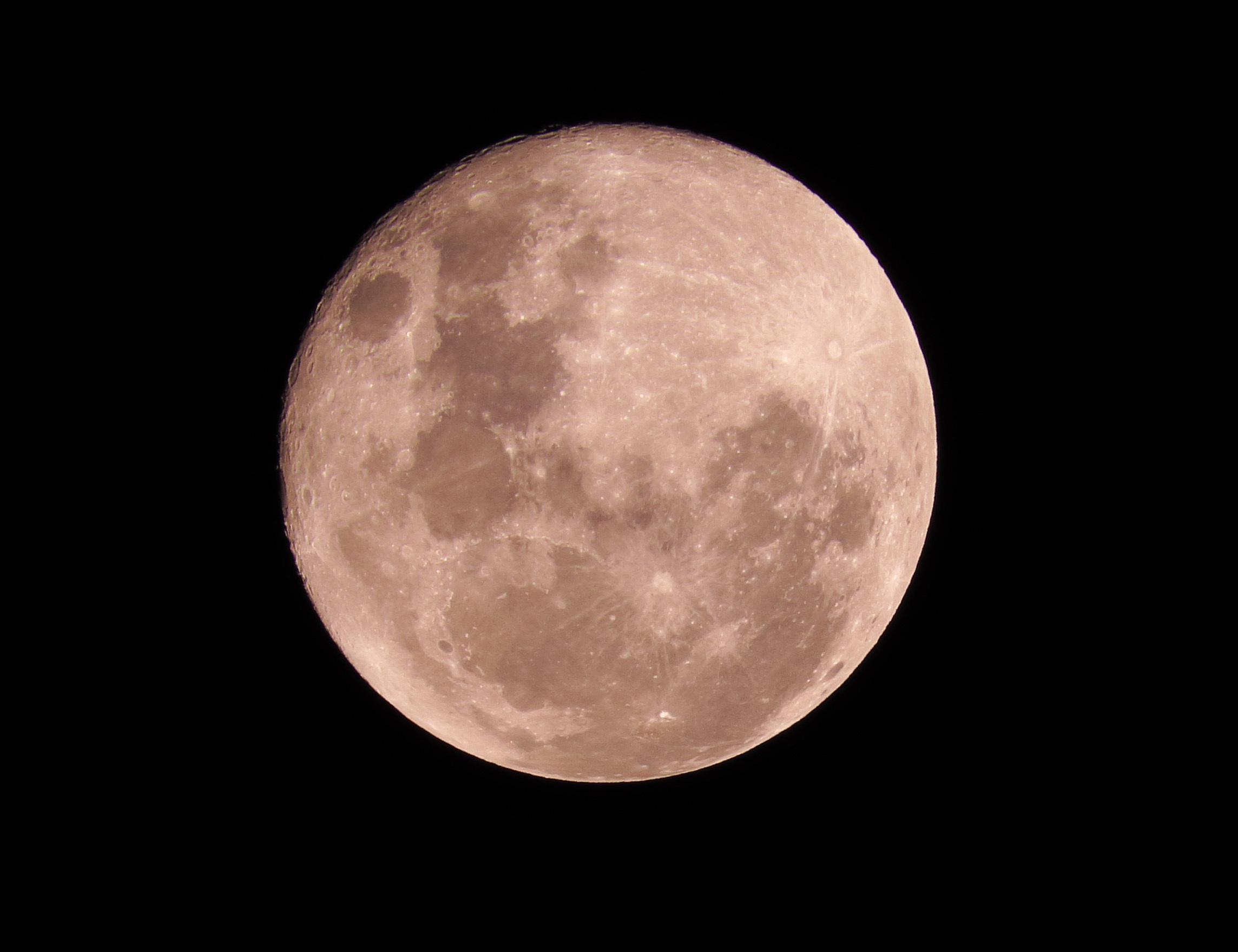
| When you look up at a full moon on a clear night, what do you see in the shadows of its craters? In Japan and many parts of Asia, people don’t see a “man in the moon” Instead, they see a mythical rabbit pounding rice cakes (mochi) with a wooden mallet. This charming image of the “Rabbit on the Moon” is deeply woven into Mid-Autumn Festival and Harvest moon viewing tradition (O-tsukimi), but not many people know the touching legend behind it. Today, we dive into the ancient folklore about the Moon Rabbit and introduce how Stickart has transformed this celestial tale into the high visibility reflective stickers designed to keep you safe at night. |
| One Moon, Different Tales: The Moon Rabbit Across Asia |
|---|
| While the image of a rabbit living on the moon is shared across many East Asian cultures, what the rabbit is actually doing changes depending on where you go: In China: The moon rabbit is known as the Jade Rabbit (玉兔). Instead of making the rice cakes, he stands beside the Moon Goddess “Chang’e”. They are using a mortar and pestle to pound the elixir of immortality and secret herbal medicines. In Korea: Known as the Dal-tokki (달토끼), the rabbit pounds rice cakes (tteok) under a sacred cinnamon tree, symbolizing family reunions and the warmth of the autumn harvest. In Japan: The rabbit is intimately tied to O-tsukimi (お月見 | moon viewing), hand-crafting rice cakes (mochi) as a symbol of selflessness, dedication, and seasonal gratitude. |
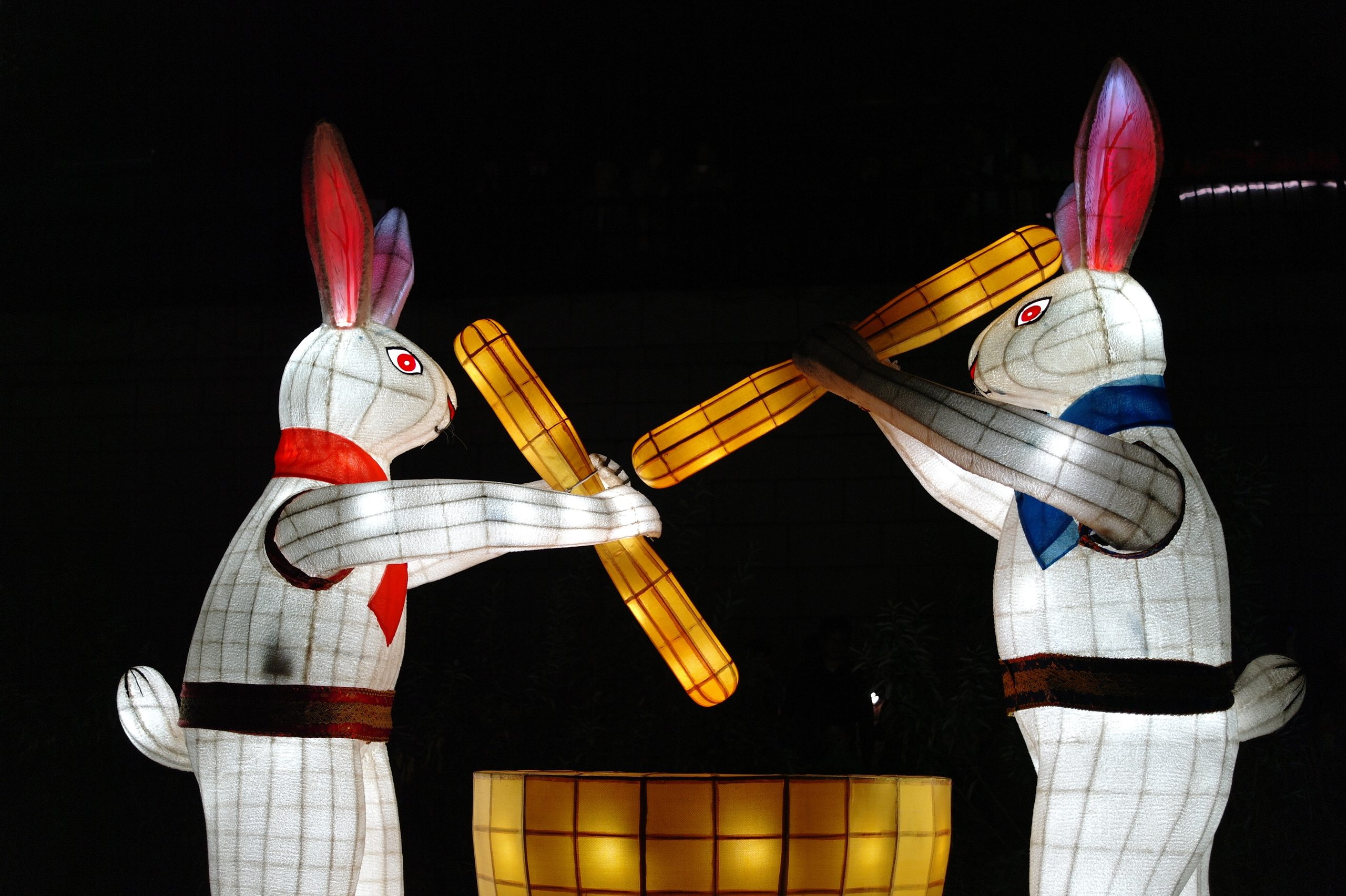
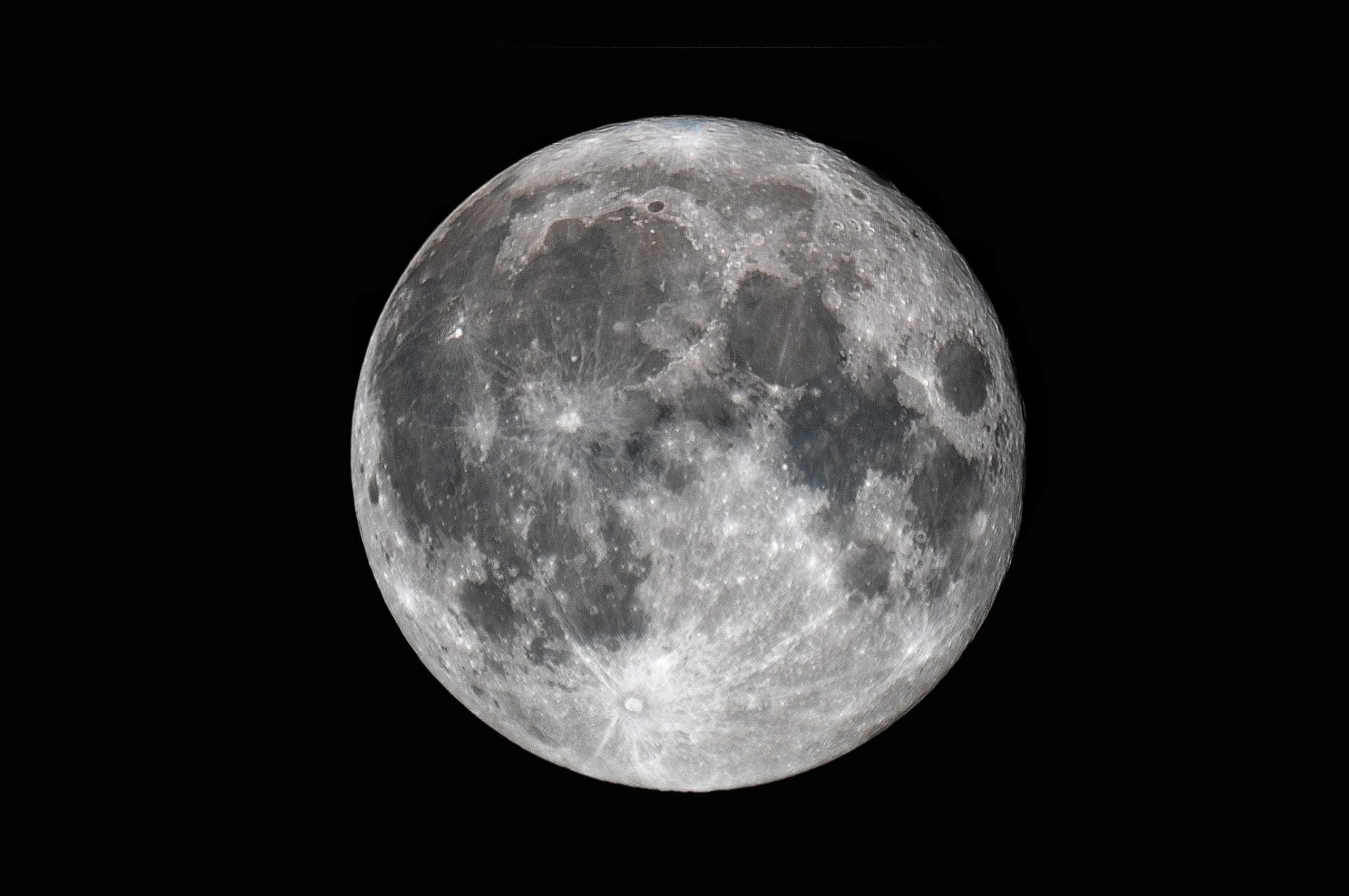
| The Sacred Story of Selfless Love The legend of the Moon Rabbit actually originated from an ancient Buddhist tale (Jataka Tales) in India that has been passed down for centuries. “Once upon a time, a fox, a monkey, and a rabbit lived together as close friends. One evening, an exhausted beggar appeared in the forest and crying out for food. The monkey climbed the highest trees to gather sweet fruits, and the fox swam across rivers to catch fish. But the rabbit is so small and fragile, he found only blades of grass, a kind of food that a human can’t eat. Heartbroken that he could not help, the rabbit made a profound choice. He built a fire and said to the old man, “I have no food to offer you, but please take my body instead.” Then, he jumped into the flames. Instantly, the old beggar revealed his true form, he was the Lord of Heaven (Indra). Deeply moved by the rabbit’s ultimate kindness, the deity rescued him from the fire and drew his likeness upon the face of the moon. “So that everyone on Earth,” the deity declared, “will forever remember your pure and gentle heart.“ It’s said that the smoky shadows on the moon are the remnants of that sacred fire, and the rabbit is now happily mashing heavenly rice cakes, a symbol of abundance and safety. |
| Romantic Tragedy: Chang’e Flying to the Moon |
|---|
| While the rabbit works tirelessly on the moon, Chinese folklore pairs him with a companion Chang’e (嫦娥), the Moon Goddess. Her story is one of the most famous love tragedies in Asian mythology and formed the core of the Mid-Autumn Festival. Long time ago, the earth was scorched by ten suns rising in the sky at once, destroying crops and causing immense suffering. An archer named Hou Yi (后羿) shot down nine of the suns and saved all humanity. As a reward for his bravery, the Queen Mother of the West “Xi wang mu” (西王母) gifted him a single vial of the elixir of immortality – enough for one person to become a deity and ascend to the heaven. Hou Yi deeply loved his beautiful wife “Chang’e”, he did not want to leave her behind to become immortal alone, so he gave her the elixir to keep hidden safely at home. One day, while Hou Yi was out hunting, a greedy apprentice named “Peng Meng” broke into their home to steal the potion. Realizing she could not defeat him, Chang’e made a desperate choice to protect her husband’s prize, she drank the elixir herself. Instantly, her body became weightless, and she floated out of the window, drifting higher and higher into the night sky. Wanting to stay as close as possible to her beloved husband on Earth, she chose the Moon as her eternal home. |
| Korean Moon: Symbol of Abundance and Cosmic Origins |
|---|
| In Korean culture, the moon holds a sacred place. The full moon represents the ultimate symbol of Yin energy, fertility, and absolute abundance. This is celebrated during Chuseok (Korean Mid-Autumn Harvest Festival), where families gather to look at the full moon, make wishes, and dance the traditional Ganggangsullae circle dance under the moonlight. Korea features two beautiful legends when it comes to the moon. 1. Dal-tokki (달토끼) and Katsura Tree Similar to the Japanese tradition, the Korean Moon Rabbit’s silhouette was originally inspired by the same Buddhist fable of self-sacrifice. However, in Korean folklore, the rabbit lives peacefully under a mystical Gyeisu-namu (계수나무 / 桂樹木 – Katsura tree) that never dies. 2. As the rabbit pounds grain into tteok (rice cakes), it’s believed to be crafting a symbol of life and prosperity. Because the moon waxes and wanes, Korean ancestors saw the moon and the rabbit working upon it, as a reminder of immortality, rebirth, and continuous growth. Making a wish to the Moon Rabbit during harvest moon is a time-honored tradition for bringing good luck to one’s family. |
| The Deep Roots of Japan’s Moon Rabbit Legend |
|---|
| In Japan, the story isn’t just a fairytale, it’s rooted in classic literature and ancient wordplay. The tale of the monkey, fox, and rabbit was popularized in Japan during the late Heian period (around 12th century) through a famous collection of stories called Konjaku Monogatari-shū (今昔物語集) or Tales of Times Now Past) In Japanese version, the old man who tests the animals is explicitly named Taishakuten (Indra god). When the rabbit leaps into the fire to offer himself as a meal, Taishakuten instantly extinguishes the flames, gently lifts the unblemished rabbit from the embers, and carries him up to the moon. The dark shadows we see on the moon today are said to be the smoky silhouette of the fire from which the rabbit was saved. |
| Why “Mochi” (Rice Cakes)? |
|---|
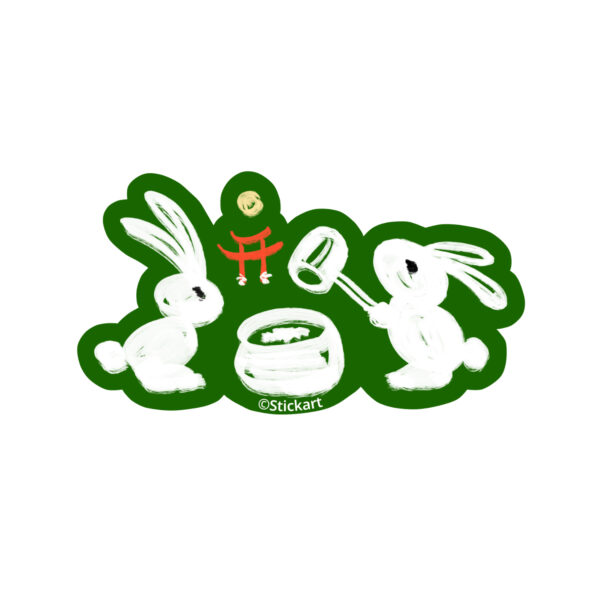
| While the original Buddhist tale from India mentions the rabbit’s sacrifice, it doesn’t mention making rice cakes. The idea of the rabbit pounding mochi is a unique Japanese twist, born from two beautiful cultural connections. (1) The Play on Words (Puns): In the old day, the Japanese word for a full moon is Mochizuki (望月). Because it sounded similarly the phrase Mochi-tsuki (餅突き) which means “pounding rice cakes” and then the Japanese folklore naturally evolved. People looked at the full moon (mochizuki) and visually associated it with the act of making rice cakes (mochitsuki). (2) The Gift of Abundance: In Japanese culture, rice is a sacred offer. Mochi represents the essence of life, good health, and a successful harvest. By pounding mochi on the moon, the Japanese rabbit is traditionally seen as making a divine offering to bless the Earth with prosperity, longevity, and safe keeping. |
Tragic Melancholy: The Legend of Uneme in Nara
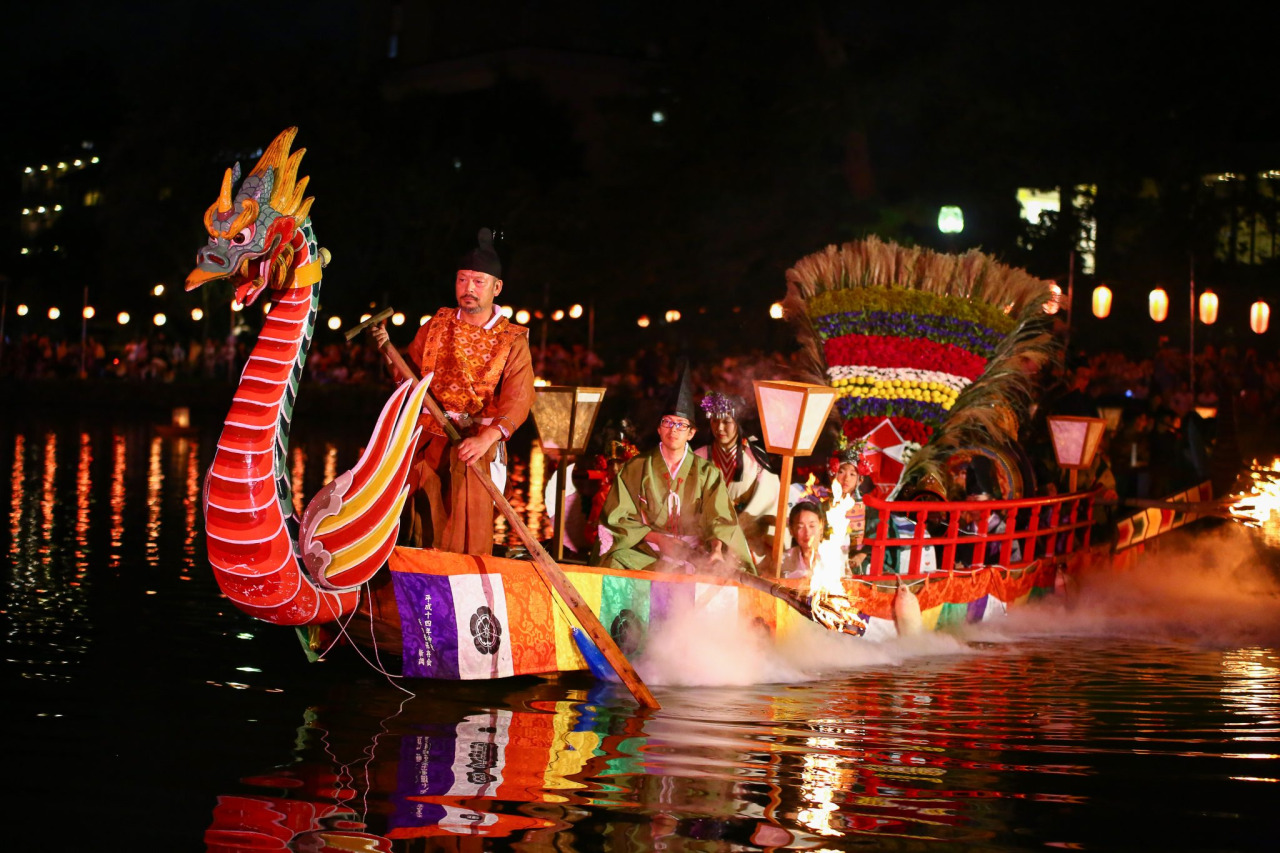
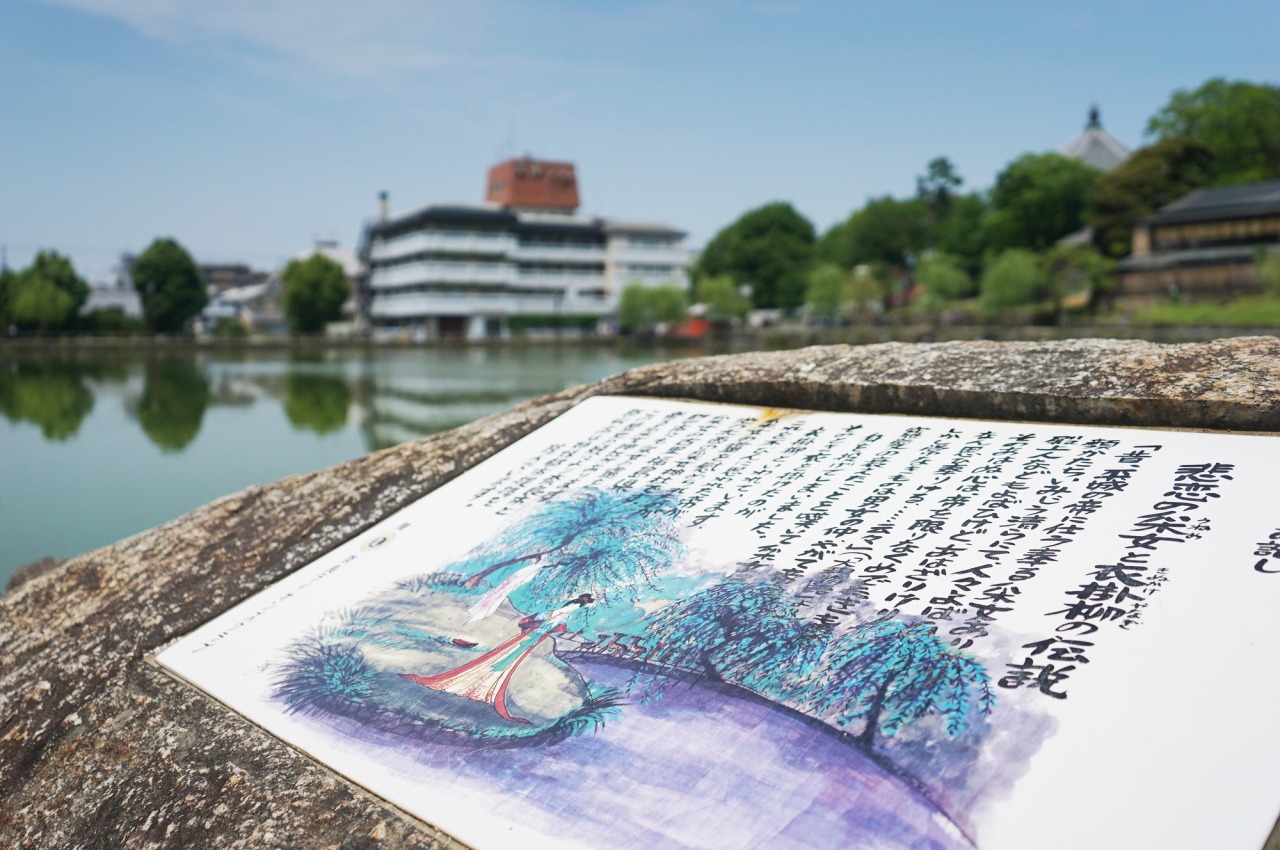
| Interestingly, while the moon represents a distant home for China’s Chang’e, it holds a beautifully haunting connection to another royal tragedy right here in Japan. It’s the Legend of Uneme (采女) in Nara. Dating back to Nara period (710–794), the Uneme is lady-in-waiting in the palace selected from local provinces to serve the Emperor. According to local legend, one particularly beautiful Uneme fell deeply in love with the Emperor and enjoyed his imperial favor. However, as time passed, his love faded, and she was ignored. Despondent and heartbroken, she slipped out of the palace on the night of the autumn harvest moon and drowned herself at Sarusawa Pond in Nara. To soothe her weeping spirit, people built Uneme Shrine (采女神社) right on the banks of Sarusawa pond. Mysteriously, the shrine is said to have turned its back on the water overnight, unable to bear looking at the pond where the lady perished. Every year on the night of the Mid-Autumn Festival, Nara hosts the spectacular Uneme Festival (采女祭), where colorful dragon boats glide across Sarusawa Pond under the glowing moon to throw a big flower fan into the water as a peaceful offering. |
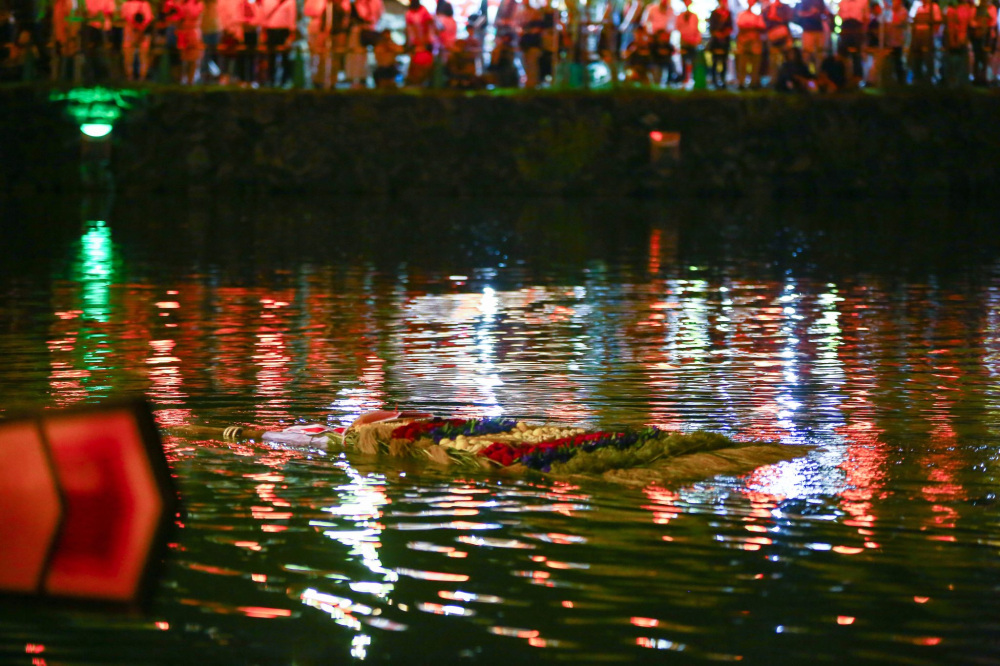
| Uneme Festival | 采女祭 |
|---|
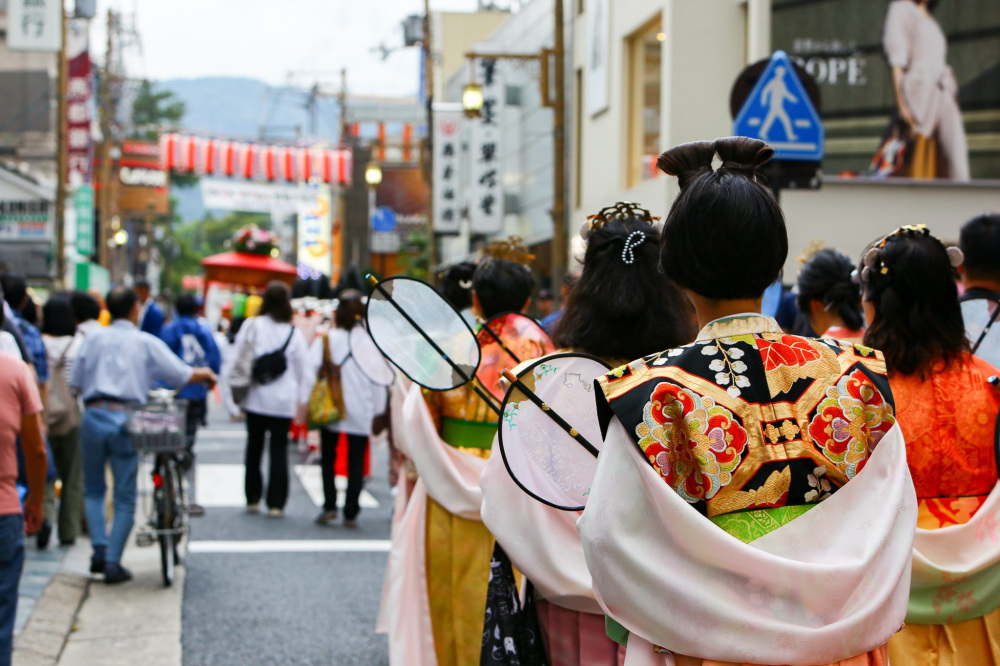
| Step back in time to the Heian period this autumn at the Uneme Festival, held on September 24 and 25, 2026, around the Sarusawa Pond in Nara. To honor the spirit of Uneme, a beautiful court lady who tragically drowned herself in the pond after losing the emperor’s favor. Held annually under the light of the harvest moon, the festival blends bittersweet folklore with breathtaking spectacles, making it a must-see for cultural travelers. The highlight of the event takes place on the evening of September 25, beginning with the Flower Fan Dedication Procession. Participants dressed in elegant Heian period costumes march from JR Nara Station toward the Uneme Shrine. Following a solemn Shinto ritual, the atmosphere shifts as the haunting melodies of traditional shinobue bamboo flutes echo over the water, setting the stage for the festival’s dramatic climax. As night falls, two majestic kangen-bune (管絃船), the traditional boats adorned with carved dragon and phoenix heads – glide across the reflection of the full moon on Sarusawa Pond. Accompanied by the ancient sounds of Gagaku court music, the ritual concludes with a giant two-meter-tall flower fan being cast into the water. Located just 5 minutes walk from Kintetsu Nara Station, this mesmerizing blend of lights, music, and history offers an unforgettable glimpse into Japan’s spiritual past. Date: The main spectacles take place on 25 September 2026 Time: 17:00: Flower Fan Dedication Procession in Heian-period costumes from JR Nara Station to Sarusawa Pond. 18:00: Shinto Ritual at Uneme Shrine. 18:45: Bamboo Flute Performance (shinobue) around the pond. 19:00: Kangen-bune Boat Ceremony, featuring dragon-headed boats and “Gagaku” court music on the water. Locations: Uneme Shrine, Sarusawa Pond (Nara city) |
Moonlight Tears on the Water: A Comparative Myth of Chang’e and Nara’s Lady Uneme
| Aspect | Chang’e(China) | Uneme(Nara) |
|---|---|---|
| Catalyst | Driven by a desire to protect her husband’s sacred prize. | Driven by a broken heart after losing the Emperor’s affection. |
| Action | Ascends upwards into the sky toward the light of the moon. | Descends downwards into the water, reflecting the moon’s surface. |
| Lunar Connection | The moon becomes her physical sanctuary and eternal home. | The harvest moon acts as the somber spotlight for her final rest. |
| Companion | Accompanied by the loyal Moon Rabbit who works to help her. | Followed by a legacy of dragon boats and flower fans sent by people who comfort her spirit. |
Meet Your Nighttime Guardian: Stickart’s “Moon Rabbit” Series
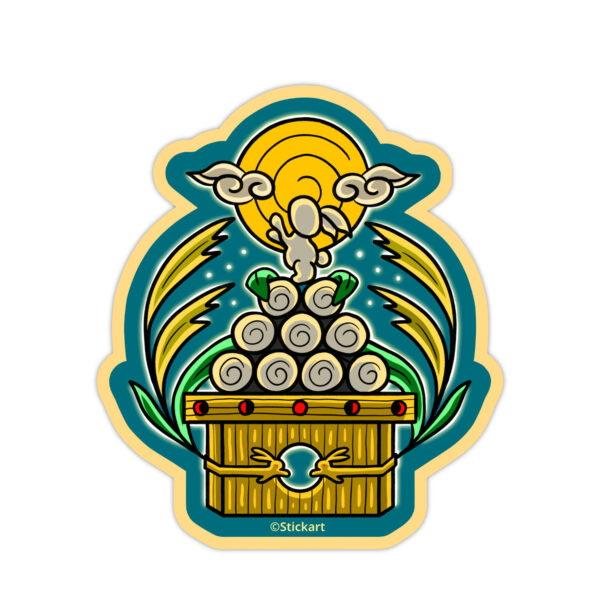
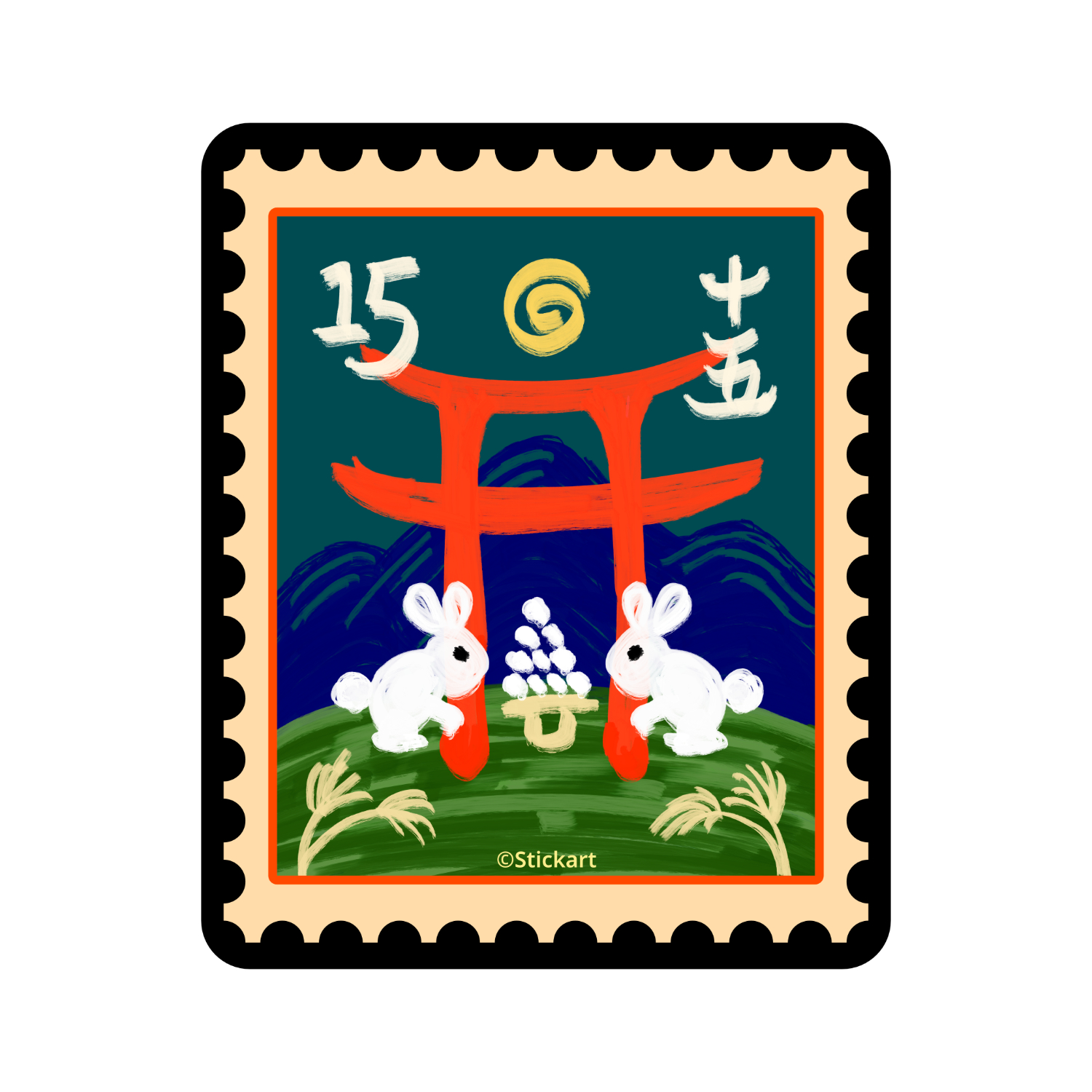
| Inspired by these timeless tales of protection, light, and the mystical power of the full moon, Stickart created the Moon Rabbit High-Visibility Reflective Sticker Series. The design captures a nimble rabbit leaping gracefully toward a glowing full moon over traditional pampas grass. Engineered with waterproof and UV-resistant reflective material, these decals are perfect for your car, skateboard, motorcycle, bicycle, helmet, or suitcase. Choose Your Vibe |
| Moon Rabbit (Red) |
|---|
| Set against a midnight sky, this design offers a mystical and calming aesthetic. It blends seamlessly with any vehicle or gear color, providing a sophisticated look. |
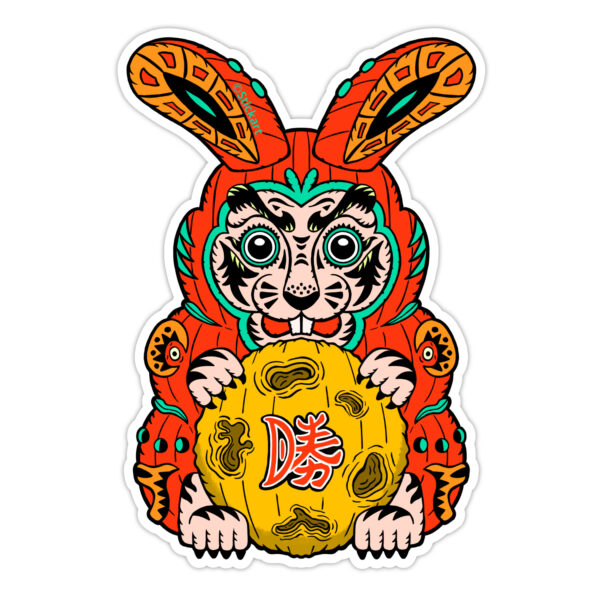
| Moon Rabbit (Yellow) |
|---|
| Featuring a dusty yellow sky, this version captures the cozy ambiance of a crisp autumn evening. It adds a touch of subtle charm to your everyday items. |
| Why Reflective Sticker? |
|---|
| Just as the ancient deities used the moon to illuminate the dark world, Stickart’s reflective stickers are engineered to bounce light directly back to car headlights. This crucial flash alerts drivers to your presence on dark streets, significantly improving pedestrian and cyclist safety. Whether you want to add a poetic touch to your ride, honor Asia’s rich autumn folklore, or ensure your children stay visible walking home from school, the Moon Rabbit sticker serves as a functional amulet. Bring a piece of the night sky with you wherever you go. Explore the new Moon Rabbit Collection at our Stickart Online Store. |
-
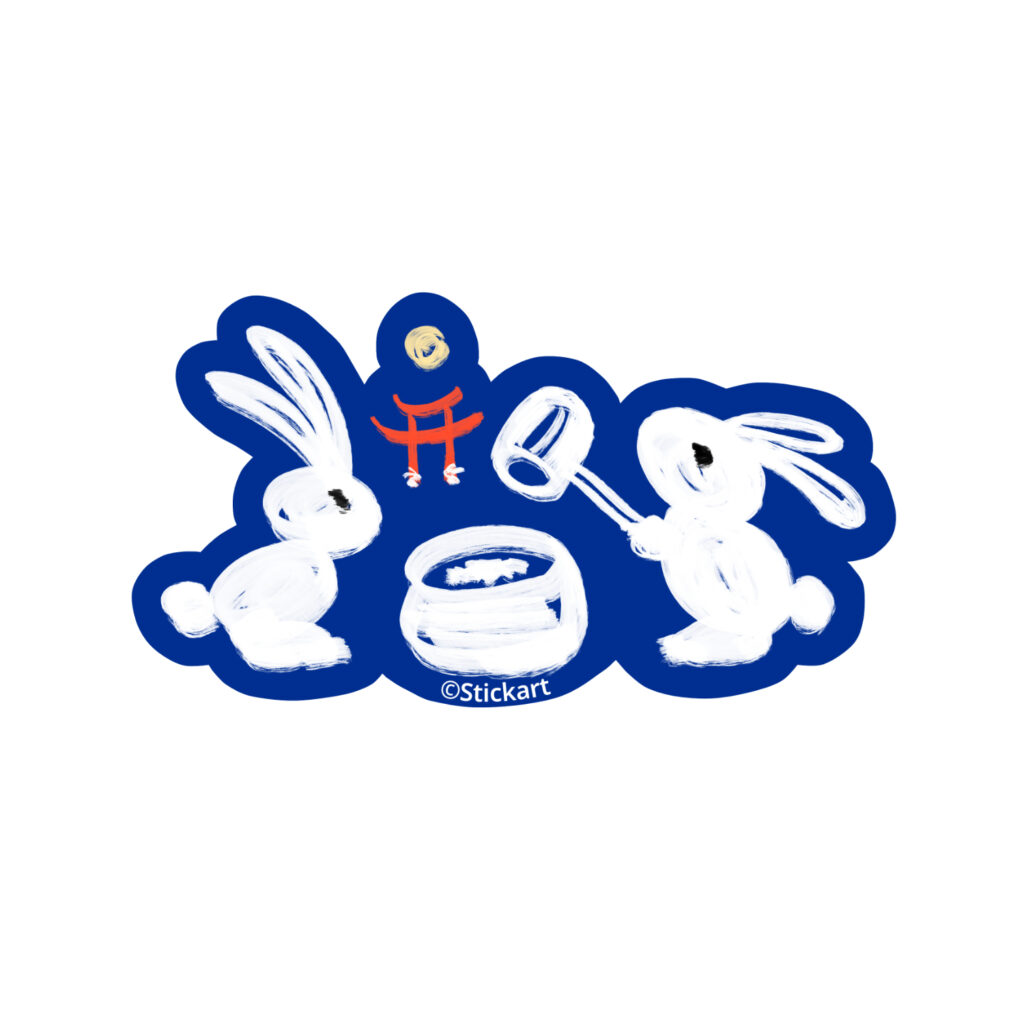
MochiTsuki (Blue)
¥550 稅込 -
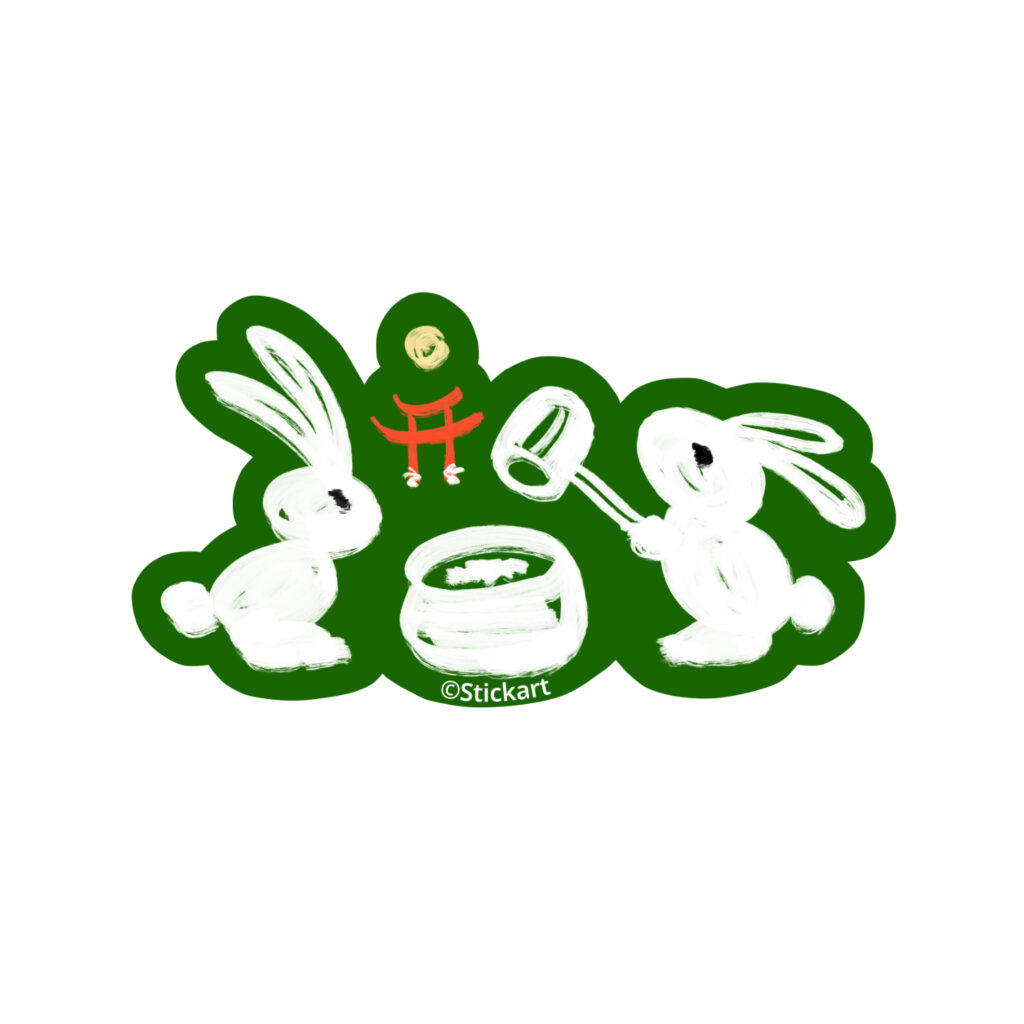
MochiTsuki (Green)
¥550 稅込 -
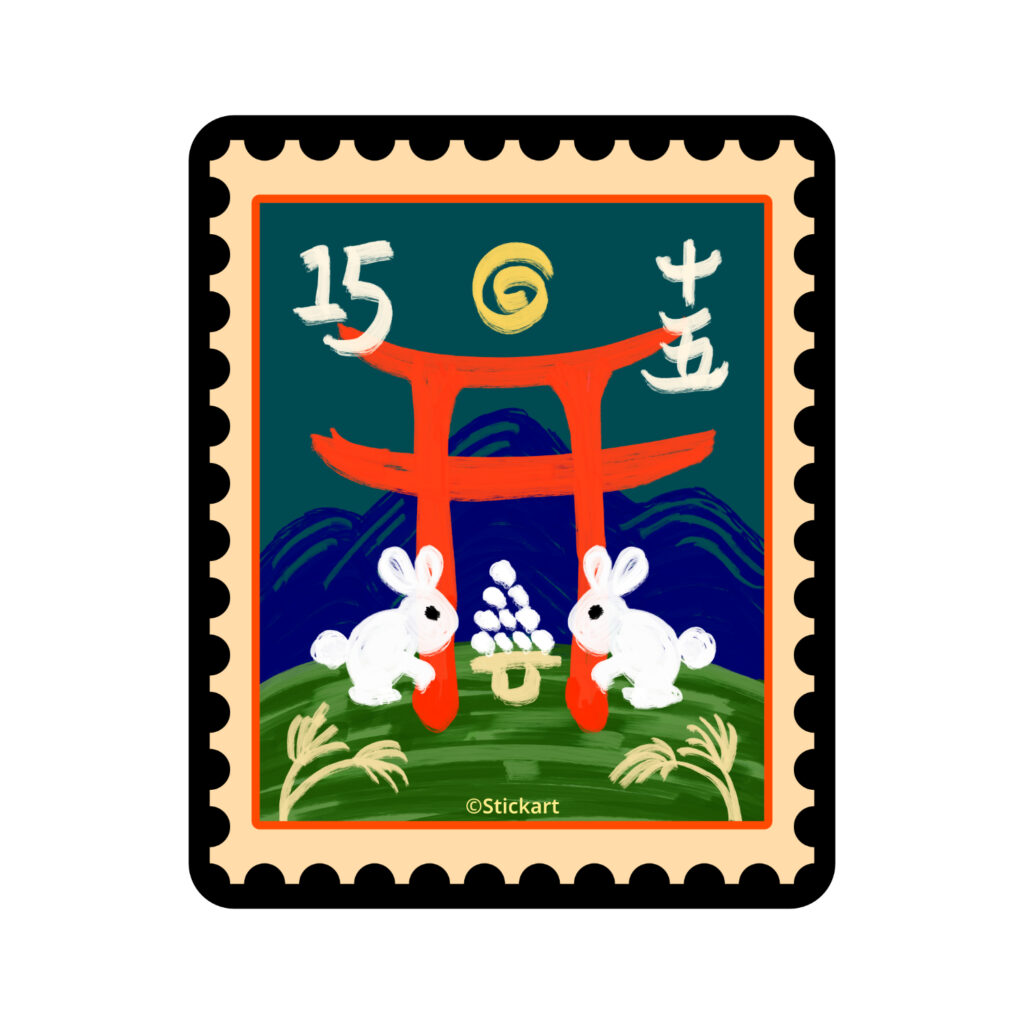
Moon Mail
¥550 稅込 -
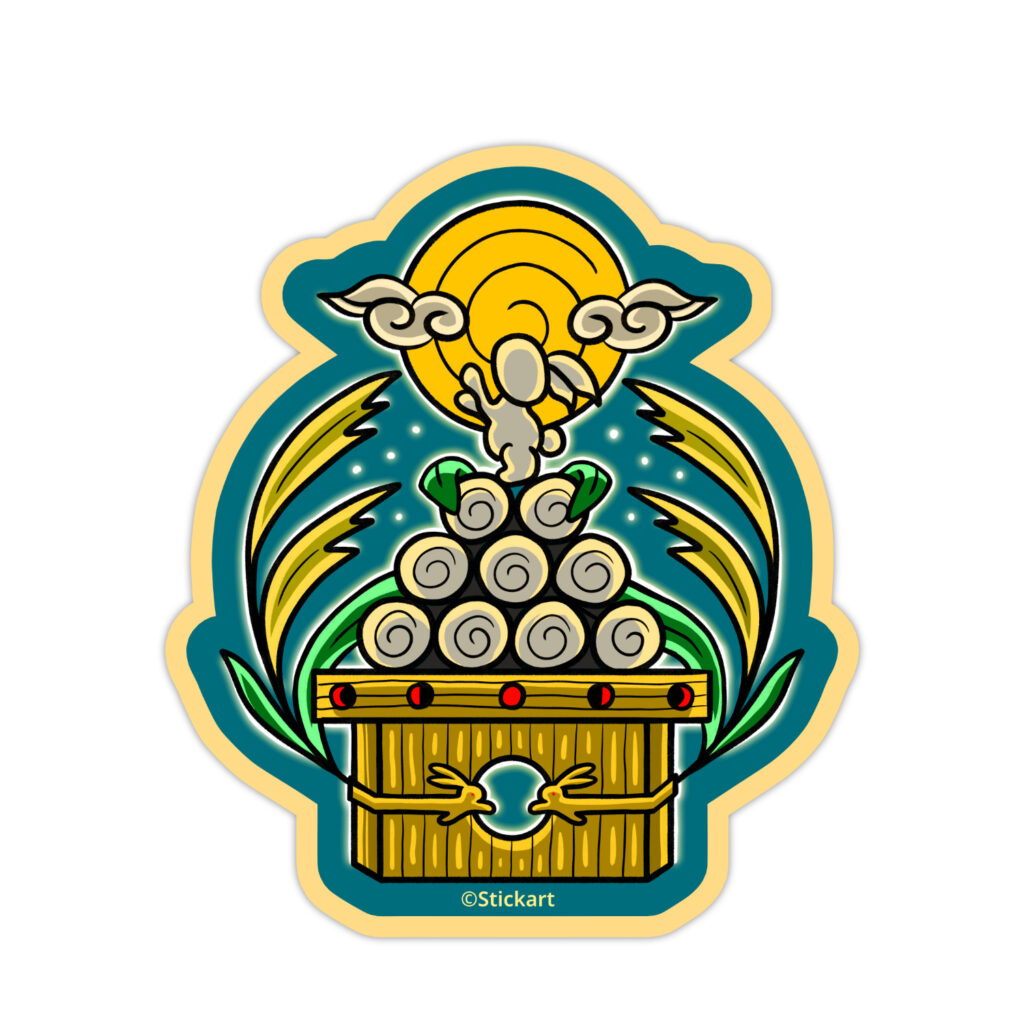
Moon Rabbit (Blue)
¥550 稅込 -
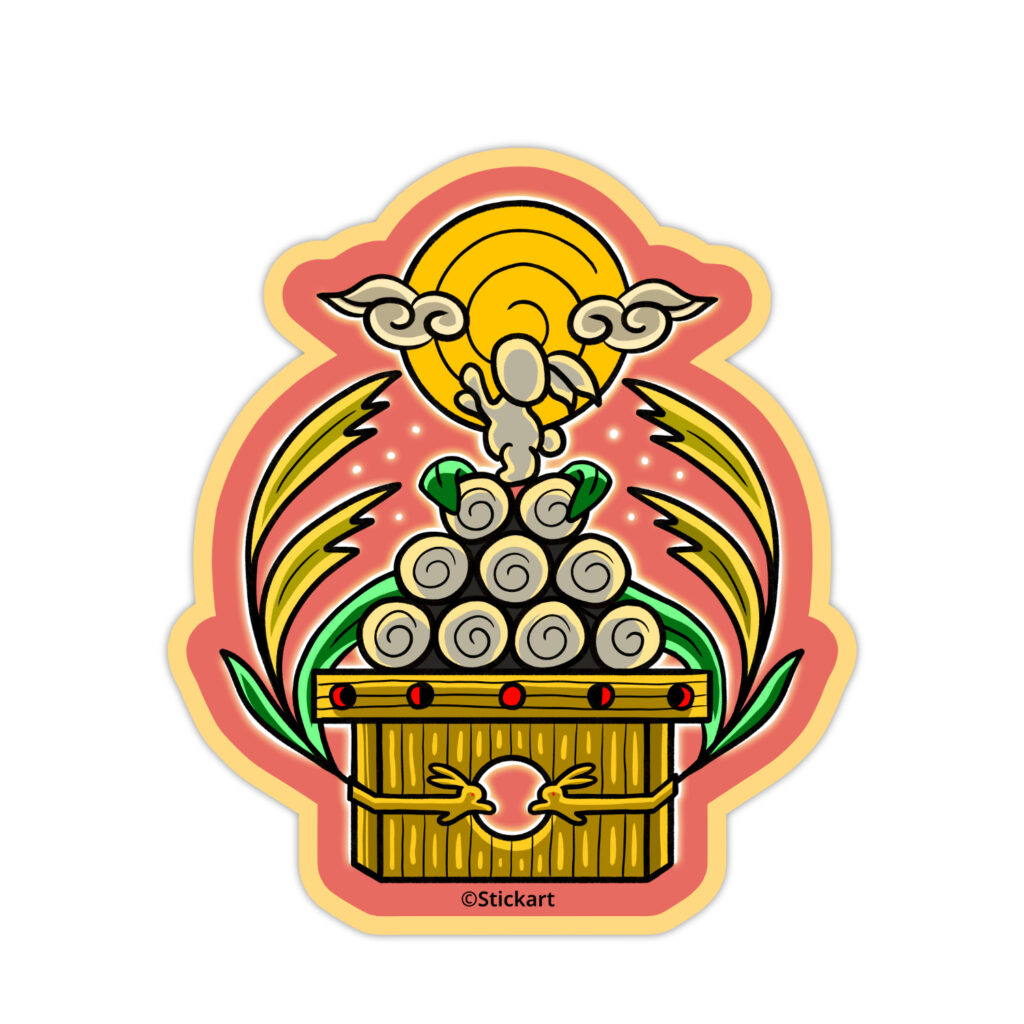
Moon Rabbit (Pink)
¥550 稅込 -
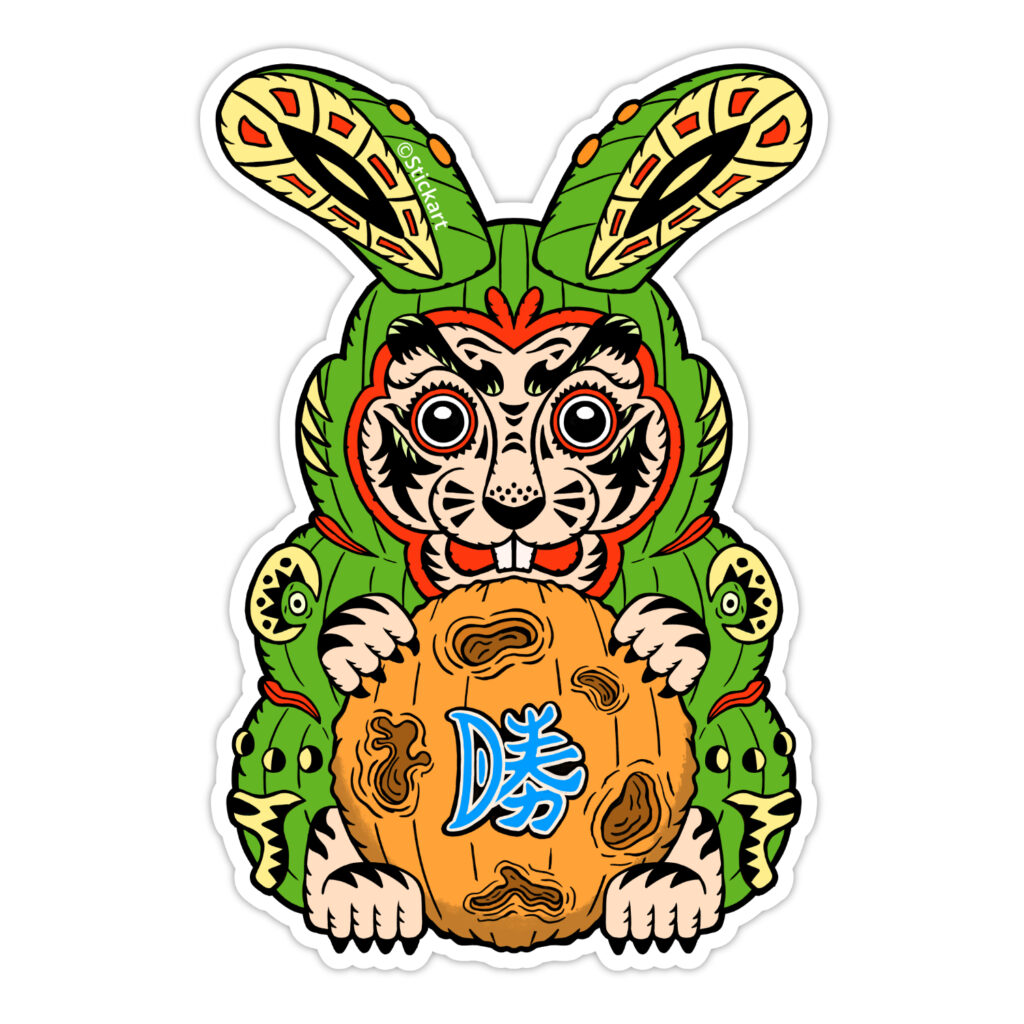
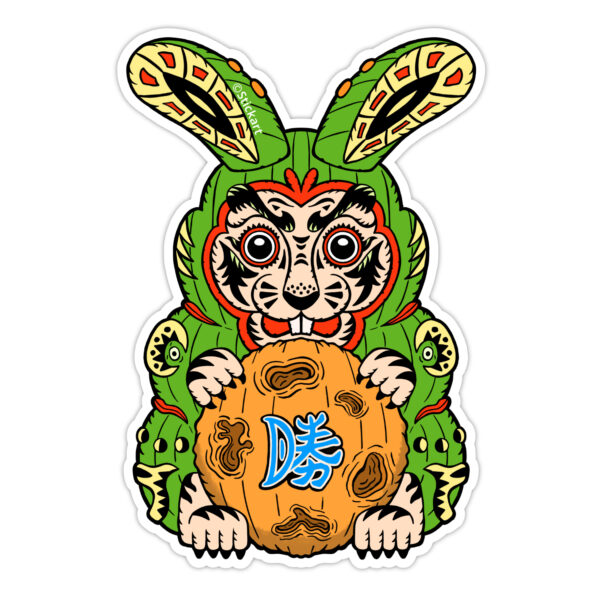
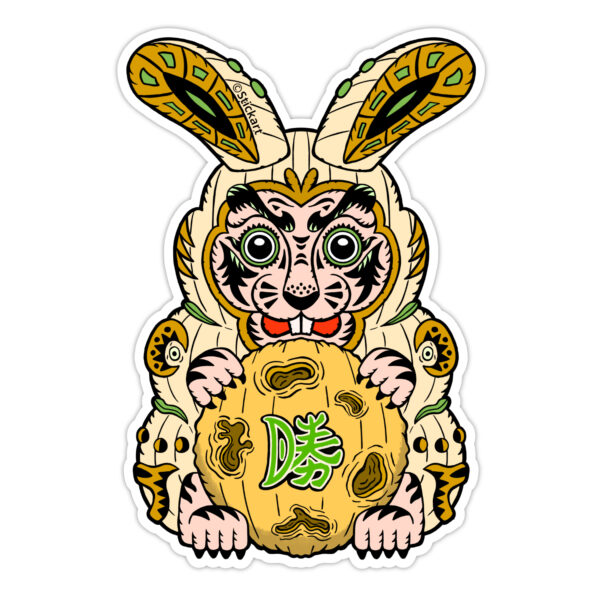
Victory Rabbit Daruma (Green)
¥550 稅込 -
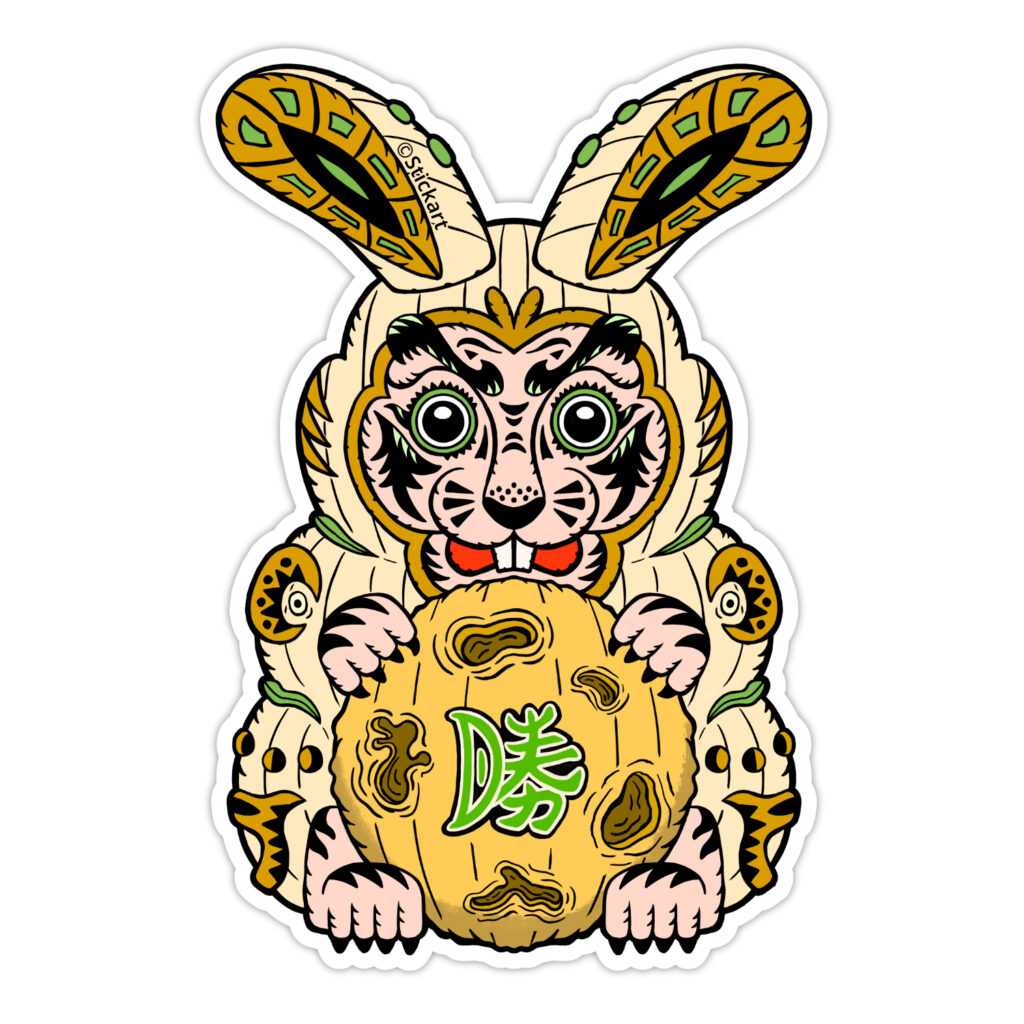
Victory Rabbit Daruma (Ivory)
¥550 稅込 -
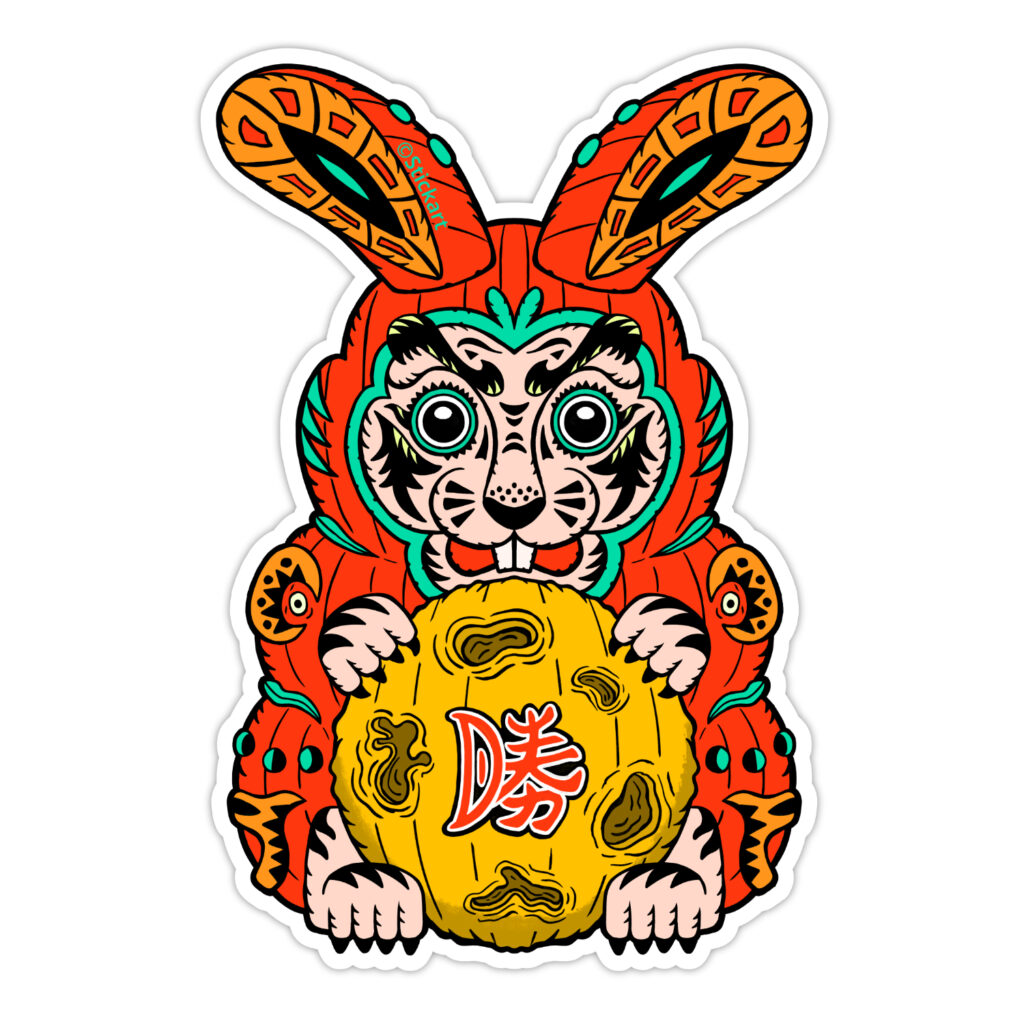
Victory Rabbit Daruma (Red)
¥550 稅込