
PART 1: Magic of Nakatanidou Mochi in Nara
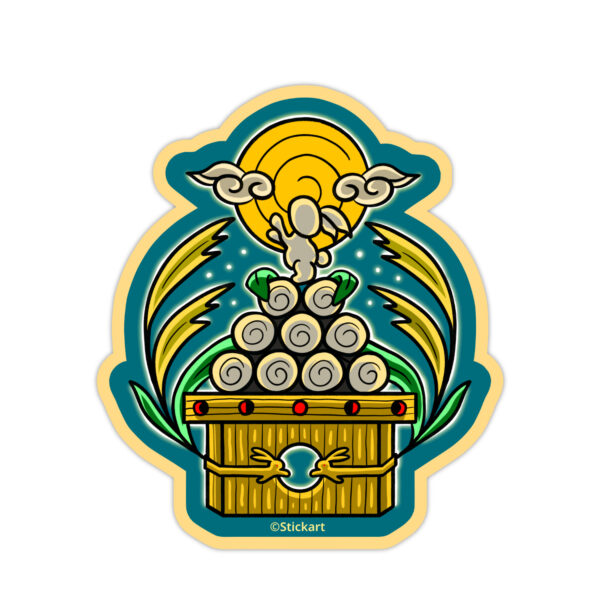
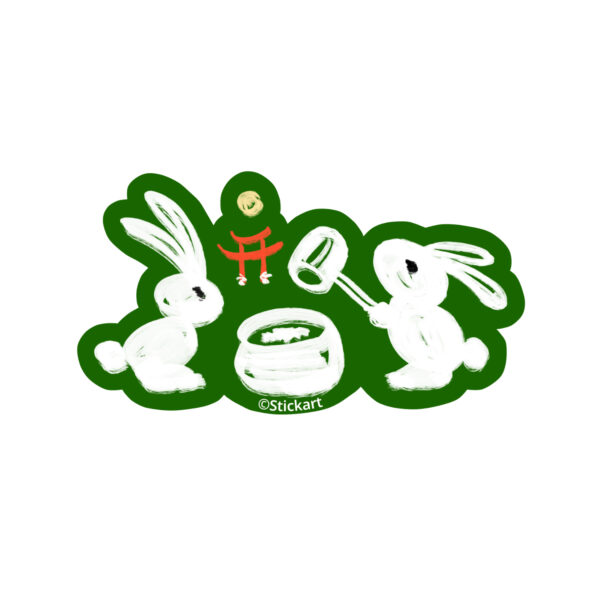
| This late September vibe is all about O-tsukimi (お月見), the Mid-Autumn moon festival in Japan. While the Western culture sees a “Man in the Moon,” the Japanese folklore sees the rabbit holding their wooden mallet, furiously pounding a batch of mochi right in the lunar craters. When you watch Nara’s hand hitters slam down on the dough under the autumn sky, you aren’t just watching a street performance. You’re watching a thousands-of-years-old lunar myth brought to life at 100 miles per hour. It’s a seasonal crossover, a Japanese folklore meets the street hustle. |
| As summer fades, Nara transforms its attractions into a romantic autumn wonderland perfect for the Mid-Autumn Festival. The unforgettable evening begins at Sarusawa Pond, where the glowing harvest moon frames Kofuku-ji Temple’s ancient pagoda, casting long reflections over the water. The serene twilight air is thick with nostalgia atmosphere, drawing locals and travelers alike to stroll the lantern-lit pathways with warm matcha greentea in hands. Just a short walk from the peaceful pond, the alleyway gives way to a rhythmic cheer at Nakatanidou. Founded by Mitsuo Nakatani who preserves his hometown’s traditions, this legendary mochi shop is known globally for kosoku mochitsuki (high-speed mochi pounding). While the Nakatanidou Mochi store chefs are pounding dough on the street in Nara city, many people in Japan are looking at the sky on the moon viewing festival. |
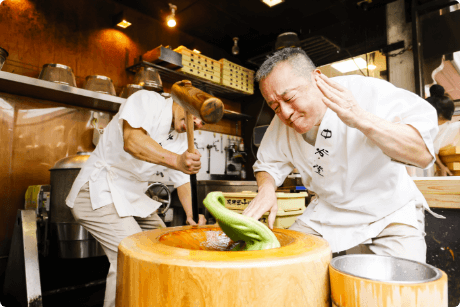
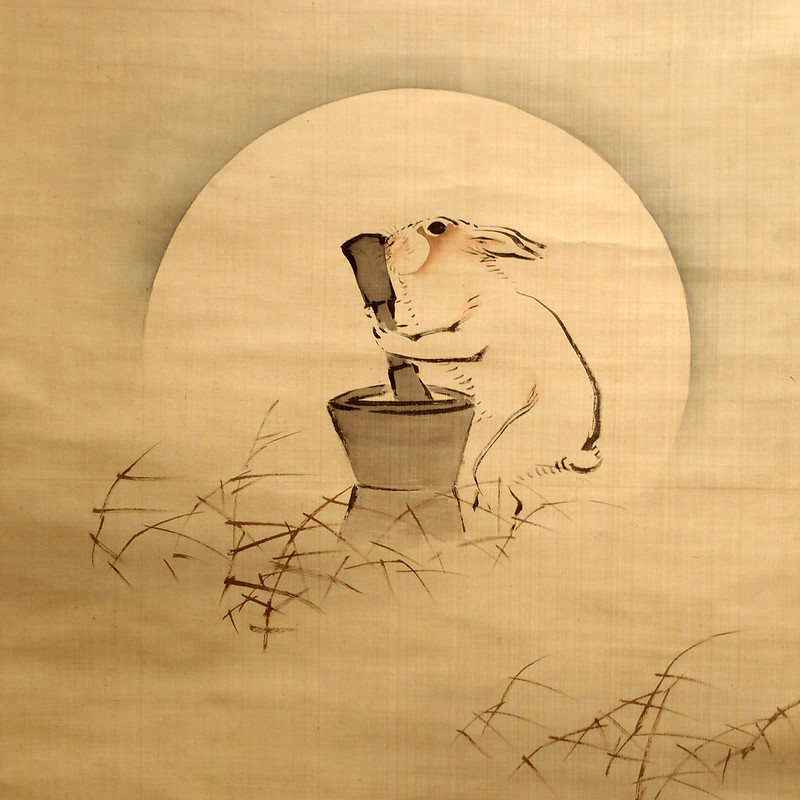
| It feels delightfully festive, as the artisans rhythmically hit the dough in a dizzying blur, mirroring the folklore of the mythical rabbit pounding mochi on the moon for the festival. This breathtaking speed injects air into the rice, creating a pillow-soft texture that earned them back-to-back national championships. For just ¥200 a piece, you can hold a fresh yomogi (mugwort) mochi heavily dusted in nutty toasted soybean flour. Biting into the vibrant green dough reveals a sweet Hokkaido red bean filling that perfectly balances the flavors. It’s the autumn ritual by savoring an artisanal treat while looking up at the bright full moon in Japan’s ancient capital. |
| Nakatanidou|中谷堂 |
|---|
| ◉ Address: 〒630-8217 奈良県奈良市橋本町29 ◉ Open Hours: 10:00-19:00 (May close earlier if sold out) ◉ WEB: https://nakatanidou.jp/ How to Get There ▶ Kintetsu Line Nara Station → Walk by 5 mins |
-

MochiTsuki (Blue)
¥550 稅込 -
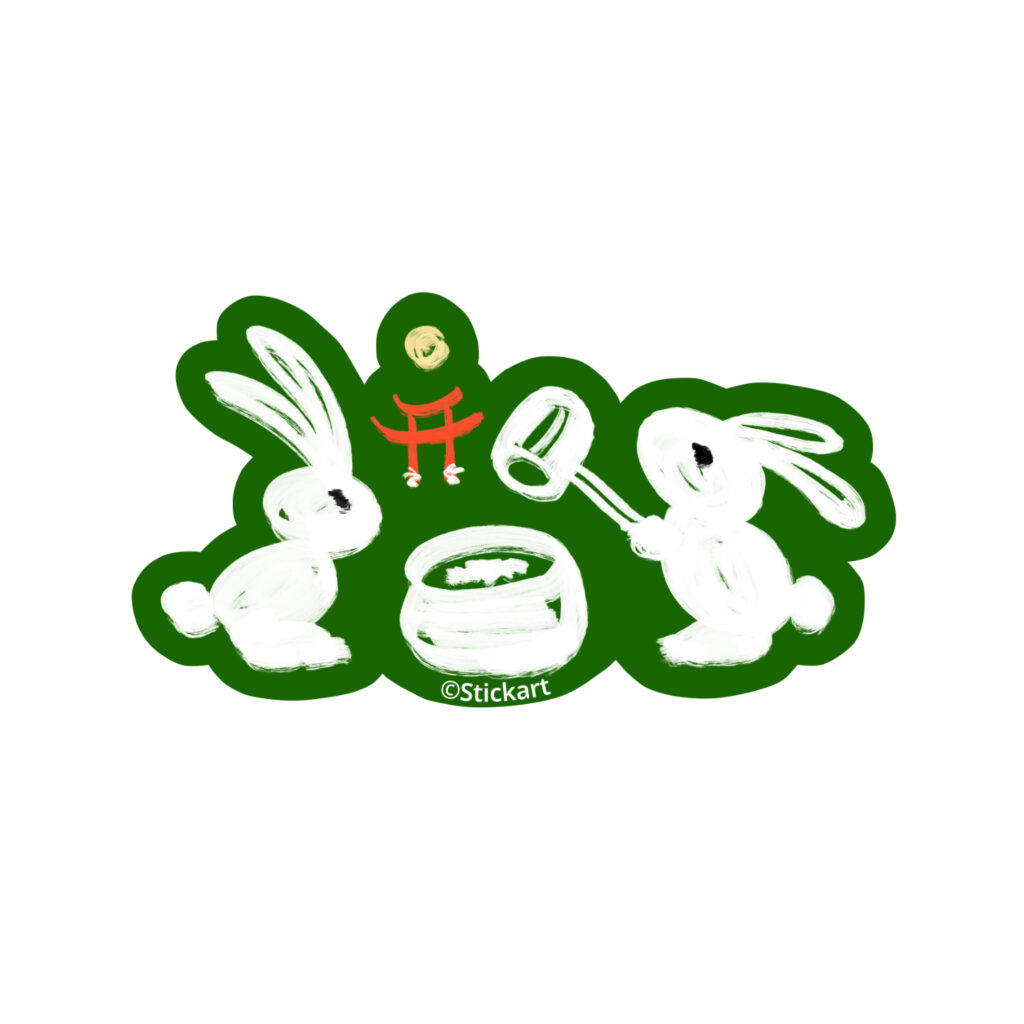
MochiTsuki (Green)
¥550 稅込 -
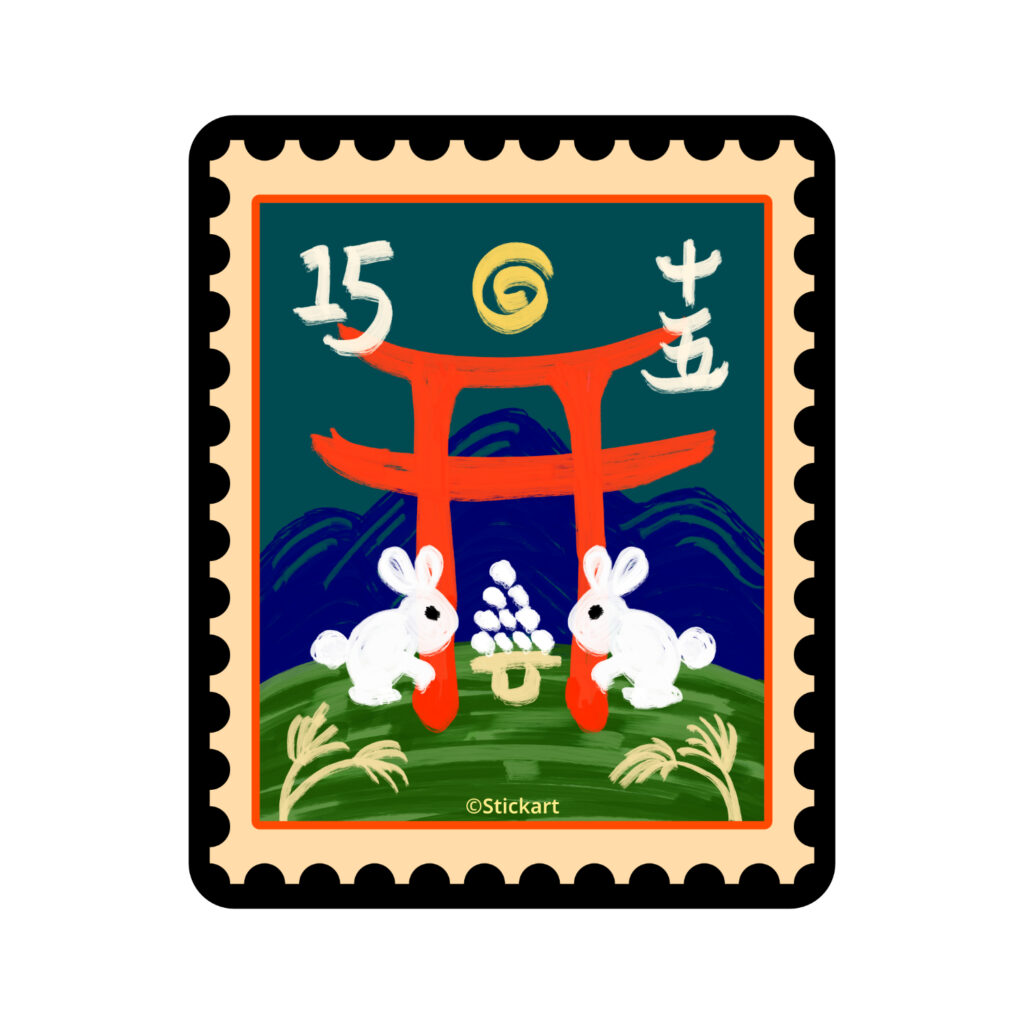
Moon Mail
¥550 稅込 -
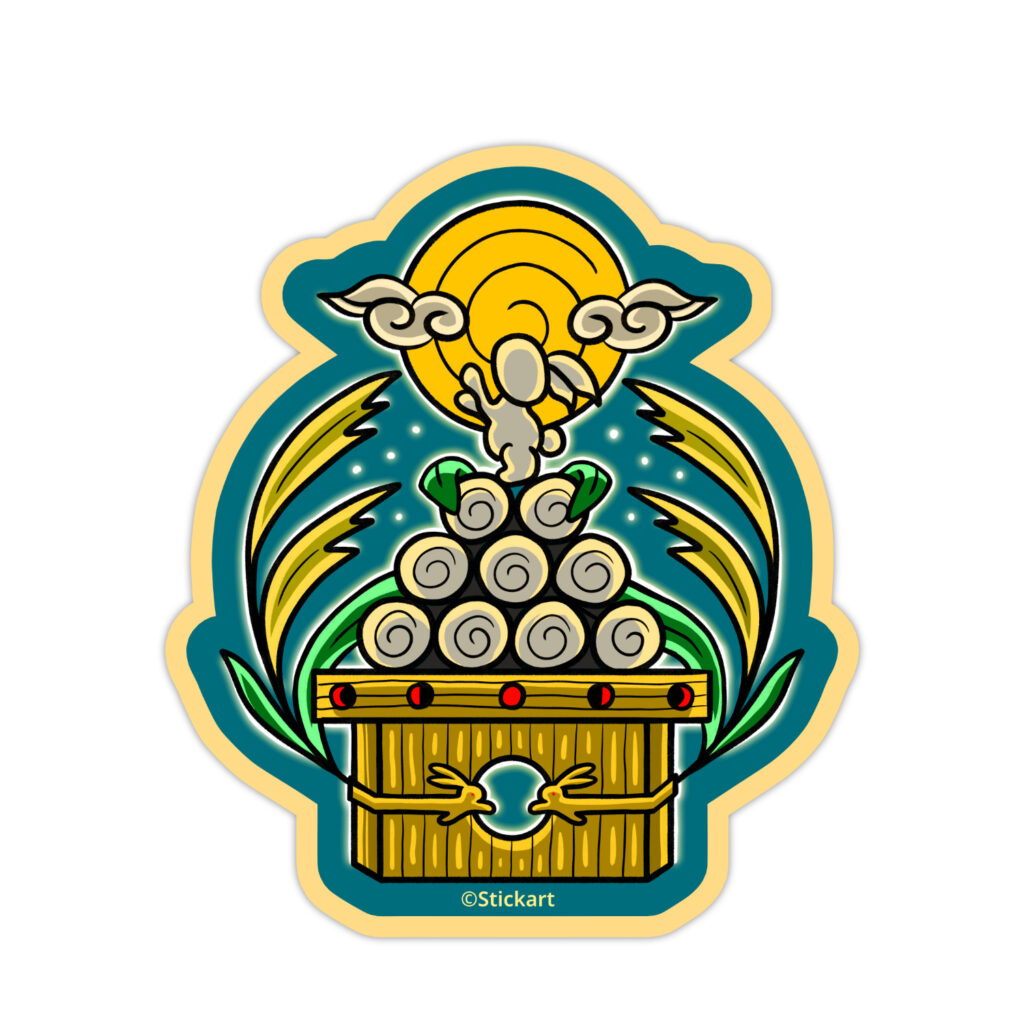
Moon Rabbit (Blue)
¥550 稅込 -
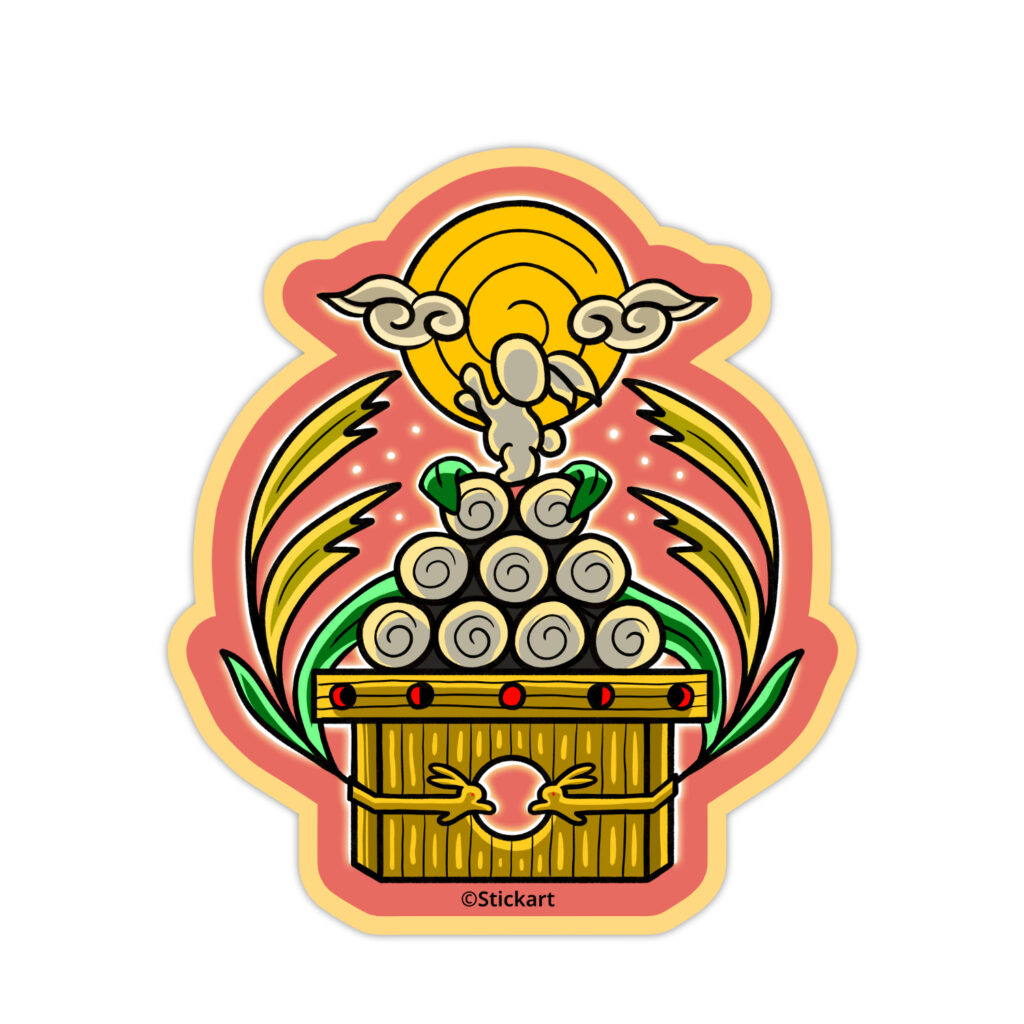
Moon Rabbit (Pink)
¥550 稅込 -
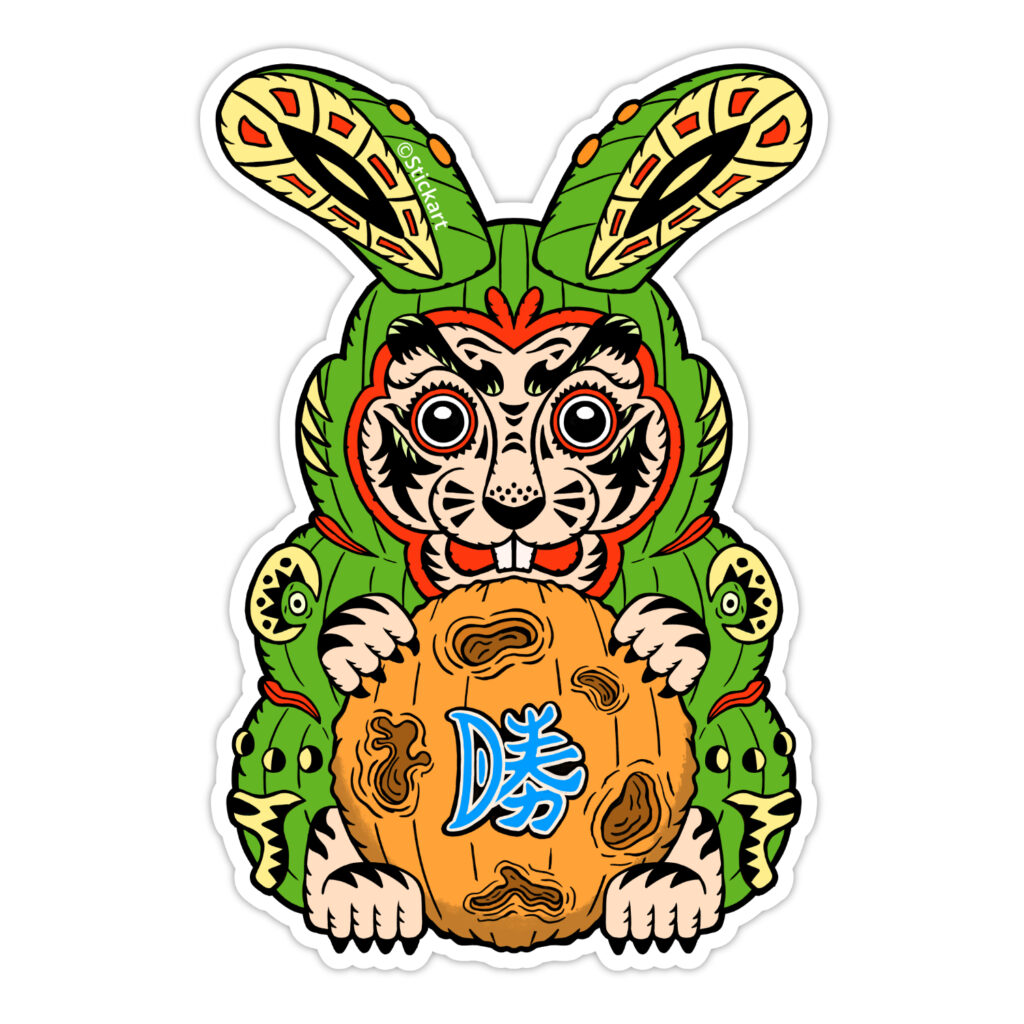
Victory Rabbit Daruma (Green)
¥550 稅込 -
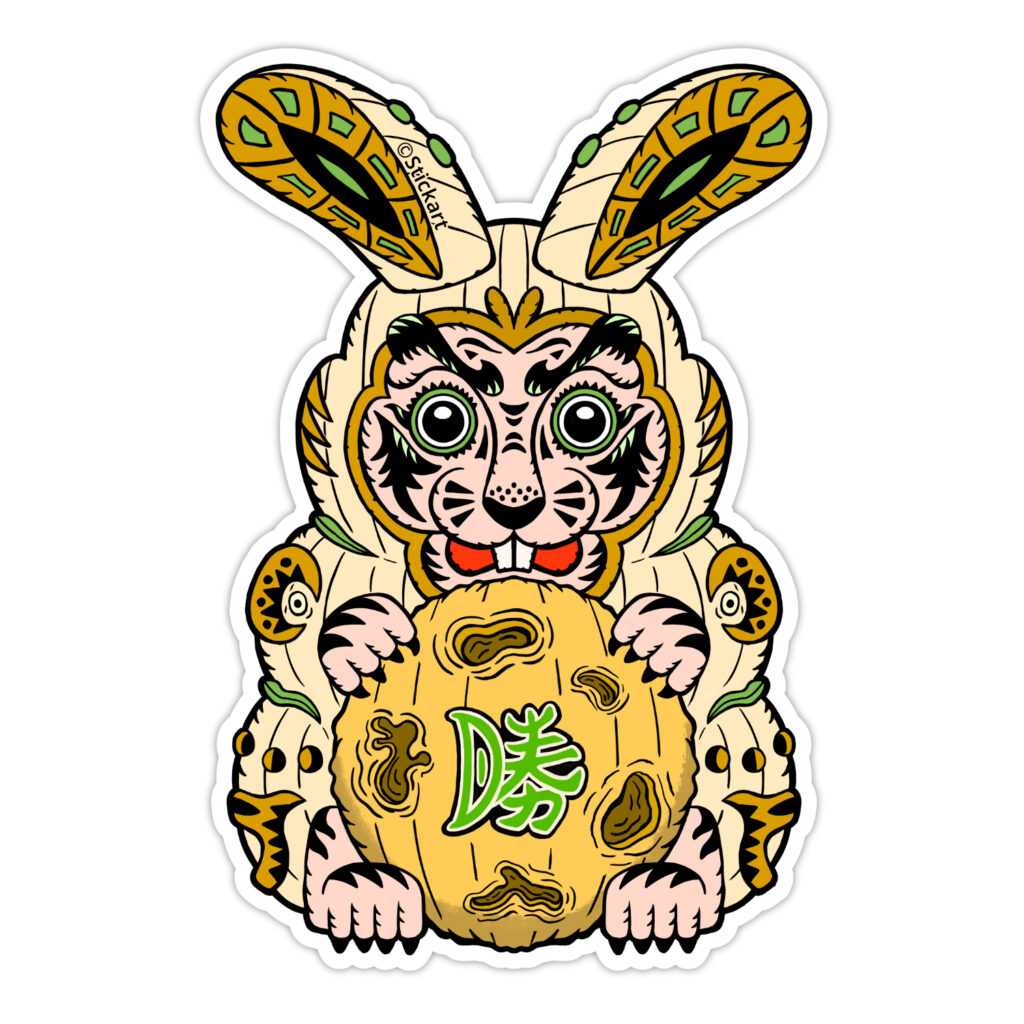
Victory Rabbit Daruma (Ivory)
¥550 稅込 -
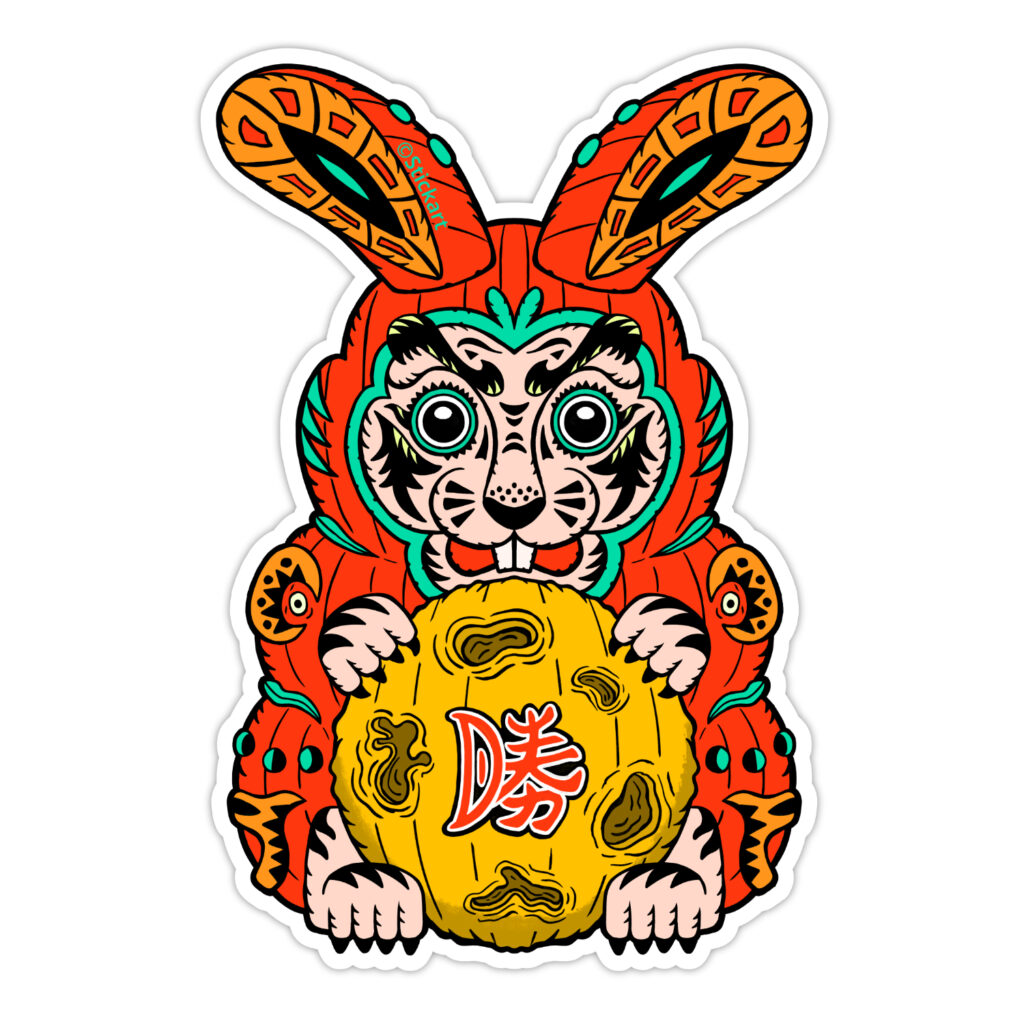
Victory Rabbit Daruma (Red)
¥550 稅込
PART 2: Guide to “Geppei” Mooncake
| Geppei (月餅), widely known in English as mooncake, is much more than just a seasonal delicacy, they are a profound symbol of unity, family, and tradition. Originated from China and celebrated across East Asian cultures, including Japan where they are known as Geppei. These round pastries are traditionally eaten during the Mid-Autumn Festival. While the core meaning remains the same, the flavors and styles of geppei vary significantly across countries, adapting to local tastes and culinary heritages. In China, you will find classic sweet lotus seed paste with savory salted egg yolks. In Japan, they often feature a lighter texture with local ingredients like chestnuts or matcha greentea. Meanwhile, Thailand has put its own iconic spin on the tradition, pioneering the world-famous “Monthong Durian” flavor, which blends the creamy sweetness of the local “King of Fruits” with traditional baking techniques. Today, geppei has evolved from an ancient heritage into a global culinary canvas that reflects the unique palate of each culture. As autumn breezes arrive, Chinatowns across Japan light up with red lanterns to celebrate the Mid-Autumn Festival (十五夜 or Jūgoya in Japanese tradition, on the 15th night of the 8th month in the old lunar calendar). At the heart of the harvest celebration is the mooncake – a round-shaped pastry symbolizing family reunion and completeness. If you plan to travel and shop for these seasonal delicacies this year, exploring Japan’s two most vibrant chinatowns for an unforgettable culinary journey. |
KANTO
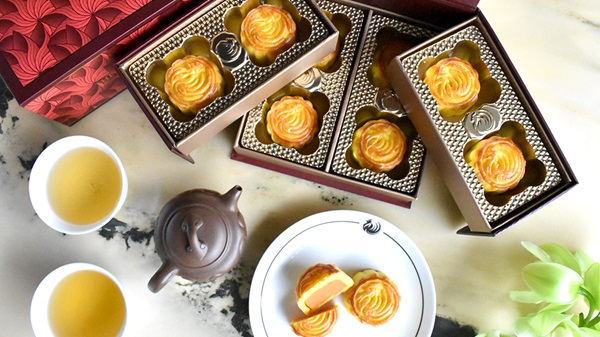
| ❏ The Peninsula Tokyo | ザ・ペニンシュラ東京 |
|---|
| The gold standard for premium mooncakes in Japan. Prepared by dim sum chefs at the hotel’s acclaimed restaurant Hei Fung Terrace. Their home-made mooncakes are legendary. Their iconic Egg Custard Mooncakes are extremely popular and sell out through pre-orders within few days. They also offer premium imported flavors from their Hong Kong headquarter, including Earl Grey Tea, Lychee Tea, and Salty Lemon. WEB: www.peninsula.com/en/tokyo/ |
| ◉ Address: 東京都千代田区有楽町1-8-1 ◉ Open Hours: Lunch 11:30 – 14:30 (LO 14:00) (Monday to Saturday) 11:00 – 14:30 (LO 14:00) (Sunday, Public Holidays, 21st, 22nd, 23rd) Dinner 17:30 – 22:00 (LO 21:00) How to Go There: ▶ Tokyo Metro Hibiya, Chiyoda & Toei Mita lines Hibiya Station → Walking by 3 mins ▶ Tokyo Metro Ginza, Hibiya & Marunouchi lines Ginza Station → Walking by 3 mins ▶ JR line Yurakucho Station → Walking by 2 mins |
| ❏ Manchinro | 萬珍樓 |
|---|
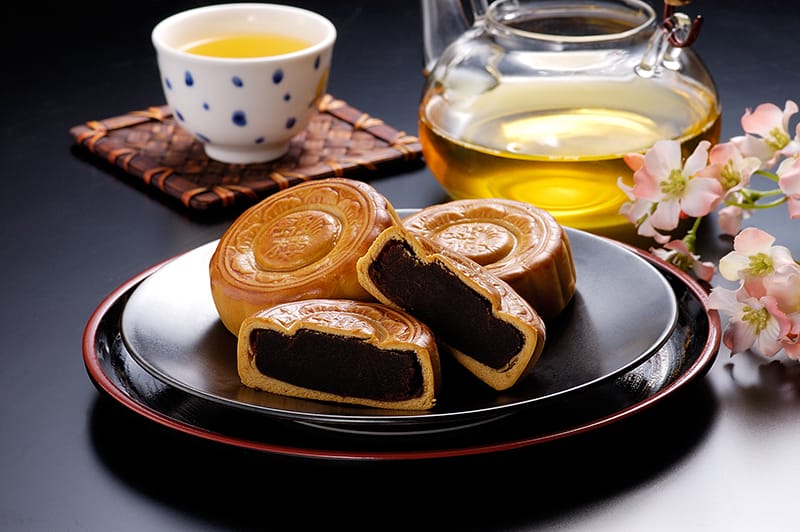
| The premier destination for traditional mooncakes during the Mid-Autumn Festival is Manchinro in Yokohama Chinatown, renowned for its 130-year Cantonese heritage and master-crafted pastries. This Cantonese restaurant established in 1892 in Yokohama Chinatown. They are known for its exceptional traditional confections. Among the most beloved offerings are their artisanal mooncakes. WEB: https://en.manchinro.com/ ◉ Address: Manchiro Main branch 〒231-0023 神奈川県横浜市中区山下町153番地 ◉ Opening Hours: Weekdays: 11:00-15:00, 17:00-22:00 Weekends and Public Holidays: 11:00-22:00 (Closed every Monday except public holidays) |
| ❏ Shinjuku Nakamura-ya | 新宿中村屋 |
|---|
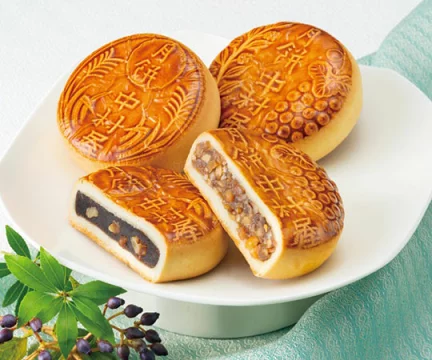
| Shinjuku Nakamura-ya, a long-established shop founded in 1901. Their mooncakes feature an elegant sweetness and savory aroma tailored perfectly to Japanese tastes, making them highly popular as gifts. WEB: https://www.nakamuraya.co.jp/ ◉ Address: マンナ 東京都新宿区新宿3-26-13 新宿中村屋ビル B2F ◉ Opening Hours: Monday-Saturday 11:00-22:00 (LO 21:30) Sunday & Public Holidays 11:00-21:00 (LO 20:30) (Closed: 1st January) |
| ❏ Jukei Hanten (Chongqing Hanten)| 重慶飯店 |
|---|
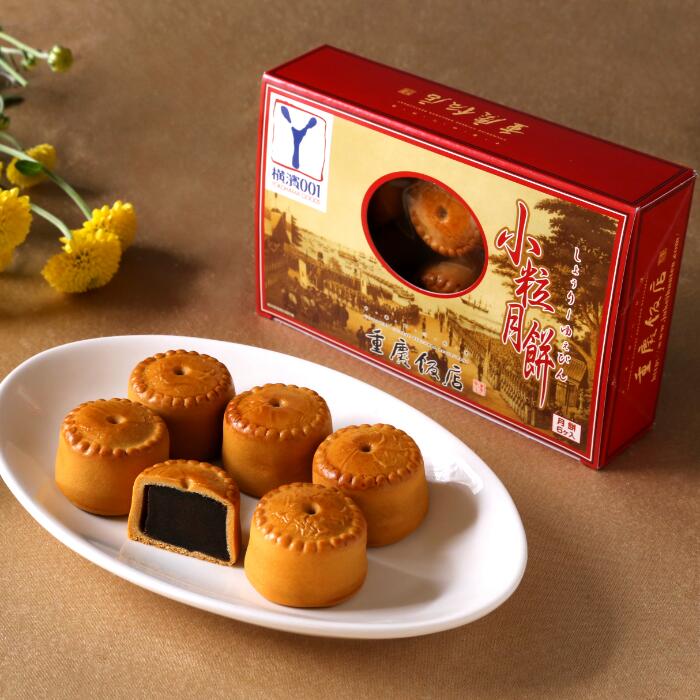
| Jukei Hanten (Chongqing Hanten), a famous long-established Sichuan restaurant and bakery in Yokohama Chinatown, celebrate the Mid-Autumn Festival in Japan by releasing its limited-edition Mid-Autumn Mooncakes every year. WEB: https://www.jukeihanten.com/ ◉ Address: 重慶飯店 本館 〒231-0023 神奈川県横浜市中区山下町164 ◉ Opening Hours: Monday-Thursday 11:30-15:30 (LO 14:30) / 17:00-21:00 (LO 20:00) Friday 11:30-15:30 (LO 14:30)/ 17:00-22:00 (LO 21:00) Saturday 11:30-22:00 (LO 21:00) Sunday, Public Holidays 11:30-21:00 (LO 20:00) |
KANSAI
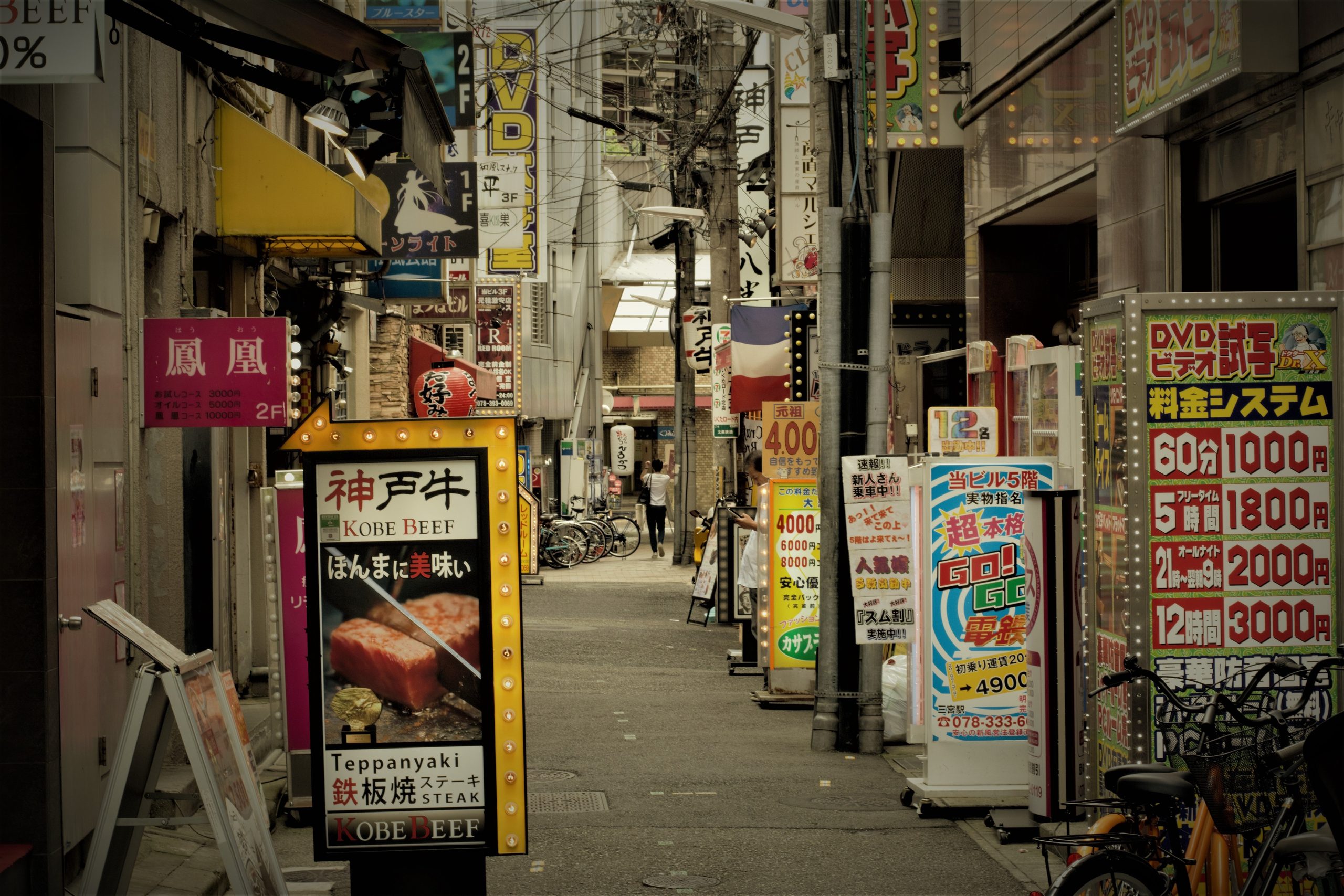
| Kobe Chinatown: Nankin machi | 神戸中華街 南京町 Developed after Kobe’s port opened to foreign trade in 1868, “Nankin machi” grew from a small residential enclave for Chinese merchants and workers into a bustling cultural hub. While more compact than its Yokohama counterpart, Kobe’s Chinatown brims with vibrant alleyways, distinctive gateways, and multigenerational family bakeries that specialize in street food style treats. Local bakeries and specialty shops throughout the Nankin machi Shopping District offer an array of mooncakes. Looking for small or big size pastries filled with chestnut, jujube date paste, and mixed nuts (五仁月餅 – Wu Ren Yue Bing or Goren Geppei in Japanese). Eating them fresh or give as a special gift is an essential “Nankin machi” experience. |
| ❏ Yuriki Shokuhin | 友力食品 |
|---|
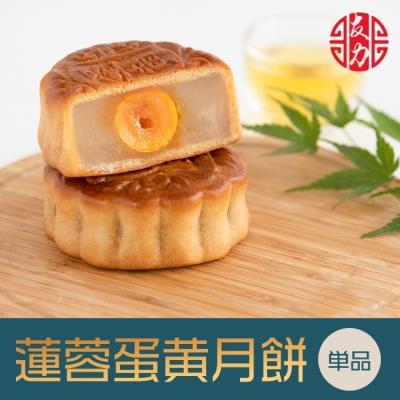
| Yuriki Shokuhin is an absolute must-visit shop for mooncakes in Kobe. It’s famous for baked Chinese pastries. Their top sellers are the Red Bean Paste with Salted Egg Yellow (豆沙蛋黄月餅) and the mixed nuts (伍仁大月餅). WEB: https://www.kobe-motomachi.or.jp/shop-search/253 ◉ Address: 神戸市中央区元町通6丁目7-4 ◉ Opening Hours: 10:30〜18:30 (everyday) |
| ❏ Tenfuku Meicha | 天福茗茶 |
|---|
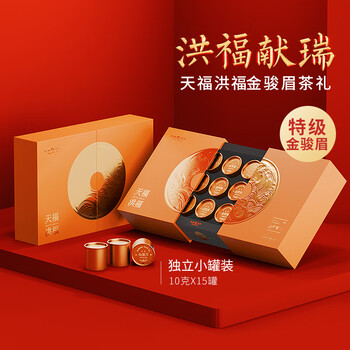
| Tenfuku Meicha is a renowned Chinese tea specialty shop in Japan. The first floor sells premium tea leaves and traditional Chinese sweets, including elegant mooncakes set that pair beautifully with Oolong tea. The second floor features a cozy cafe space where you can enjoy your Chinese tea and traditional sweets on-site. WEB: https://tenfuku.co.jp/ ◉ Address: 〒650-0023兵庫県神戸市中央区栄町通2-8-15 ◉ Opening Hours: 1st floor shop: 11:00-18:30 (2nd floor cafe: 11:30-last order at 17:00) |
| ❏ Toei-shoko Nankin machi Honten 東栄商行 南京町本店 |
|---|
| Toei-shoko Nankin machi Honten is a well-known Chinese grocery store importing goods from China and Taiwan. They stock a wide variety of packaged mooncakes at reasonable prices. You can buy them individually to try different flavors, or get the gift boxes. Alongside mooncakes, these shops also offer other popular Chinese sweets like pineapple cakes (鳳梨酥) and sweet pastry “Sachima” (沙琪瑪), making them perfect stops for autumn souvenirs. WEB: https://www.toeishokokobe.com/ ◉ Address: 南京町本店:神戶市中央区栄町通2-8-9 ◉ Opening Hours: 10:30-19:30 (everyday) |
GEPPEI: TOP RANKING 2026
| Based on the latest 2026 data from popular Japanese shopping platforms like Yahoo! Shopping and Rakuten Ichiba, the top rank and best selling mooncakes in Japan for the Mid-Autumn Festival in 2026 are dominated by Yokohama Chinatown establishments and sweets brands in depachika (department store basement floor). |
| ◉ Jukei Hanten | 重慶飯店 This seasonal exclusive features black bean paste enveloping a salted duck egg yolk that represents the full autumn moon. They also offer the premium Lotus Seed Paste with Double Egg Yolk (蓮蓉蛋黄大月餅) and popular assortment boxset. WEB: https://www.jukeihanten.com/ ◉ Manchinro | 萬珍樓 one of the oldest and most prestigious stores in Yokohama Chinatown. WEB: https://en.manchinro.com/ ◉ Yokohama Daihanten | 横浜大飯店 Another staple name representing Yokohama Chinatown’s culinary culture. The rank is so high because of their wrapped mini mooncakes which are highly praised for their smooth texture and subtle yuzu flavor. WEB: http://www.yokohamadaihanten.com/ ◉ Hong Kong Maxim (香港美心 / MX) For those seeking genuine Hong Kong-style mooncakes in Japan, the luxury “Hogetsu Seien” (豊月盛宴) gift box is the ultimate choice for online delivery. WEB: https://www.maxims.com.hk/ |
PART 3: Mid-Autumn Moon Burger
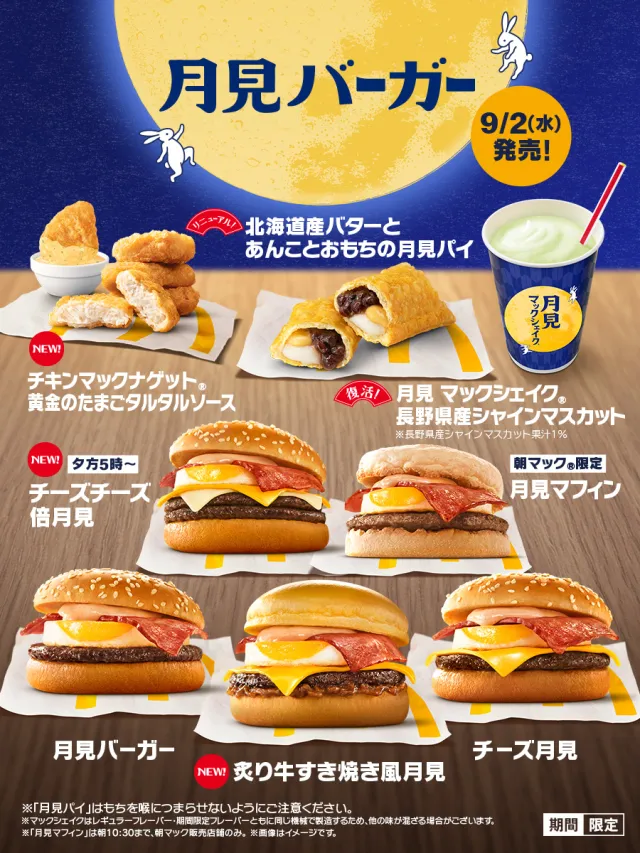
| Tsukimi Burger (月見バーガー) is an iconic seasonal menu that arrives in Japan every autumn, famously spearheaded by McDonald Japan. Introduced in 1991, this limited-edition burger traditionally features a beef patty, smoky bacon, a special creamy tomato sauce, and a round-shaped fried egg. The word Tsukimi translates directly to “moon viewing” and the round egg yolk serves as a culinary representation of the harvest moon. In Japan, the connection between an egg and the moon is a deeply rooted artistic shorthand. Long before hamburgers arrived, Japanese noodle shops served Tsukimi Udon and Tsukimi Soba – the hot noodles topped with a raw egg yolk floating like a bright moon in dark broth. By embedding a fried egg into a Western-style burger and naming it “Tsukimi,” McDonald Japan successfully imported a beloved cultural metaphor into a modern context. It honors the aesthetic of finding natural beauty inside everyday food. Nowadays, Tsukimi Burger is known widely in Japan as McDonald’s most iconic seasonal autumn collection and celebrating its 35th anniversary this year. The uniqueness of the Tsukimi Burger lies in how it seamlessly bridges Western fast food with centuries-old Japanese cultural traditions, creating a phenomenon that goes far deeper than a simple promotional gimmick. |
Bringing the Magic Home
| Whether you are biting into a freshly-pounded yomogi mochi in Nara, sharing a beautifully molded geppei with family, or sitting on a bench in the park under the starlight with a Tsukimi burger in hand, chasing the Mid-Autumn festival in Japan is all about making memories that stick. Want to keep those cozy autumn vibes alive long after the full moon sets? Bring a piece of your journey into your everyday spaces. At Stickart.jp, we design a new vibrant custom stickers that let you capture your favorite cultural moments, travel memories, and culinary adventures this autumn. Paste them on your laptop, water bottle, or stickers collection book, and let your unique story stick around forever! |
-
MochiTsuki (Blue)
¥550 稅込 -
MochiTsuki (Green)
¥550 稅込 -
Moon Mail
¥550 稅込 -
Moon Rabbit (Blue)
¥550 稅込 -
Moon Rabbit (Pink)
¥550 稅込 -
Victory Rabbit Daruma (Green)
¥550 稅込 -
Victory Rabbit Daruma (Ivory)
¥550 稅込 -
Victory Rabbit Daruma (Red)
¥550 稅込