
Sweet Traditions Under the Moon

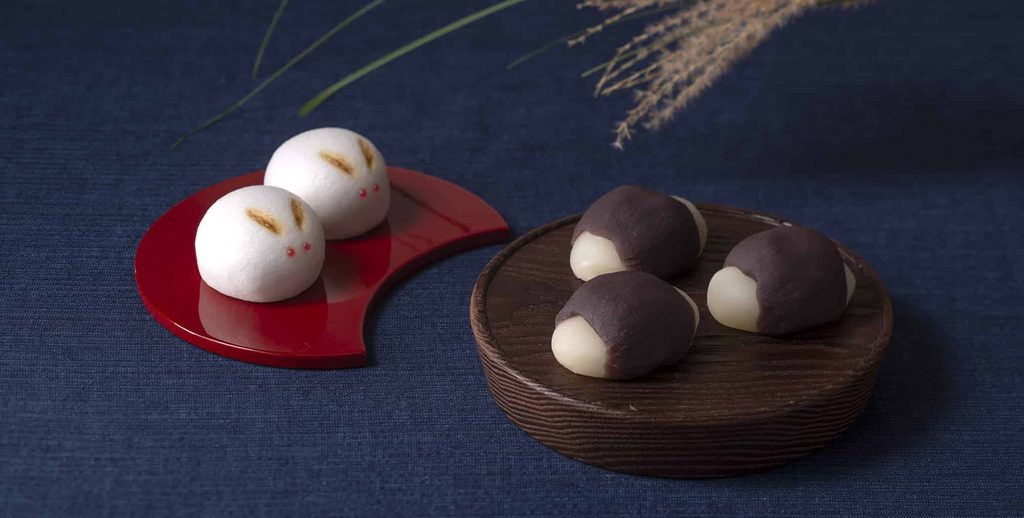
| Autumn in Japan brings a calm night, golden leaves, and one of the country’s most beautiful and contemplative traditions: O-tsukimi (お月見 – Moon viewing festival). Dating back to Heian period (794 – 1185), this seasonal celebration honors the harvest moon with a profound appreciation for nature’s cycles. At the center of this ritual lies Tsukimi Dango, an elegant rice dumplings that bridge culinary craft with seasonal art. |
The Art of Tsukimi Dango
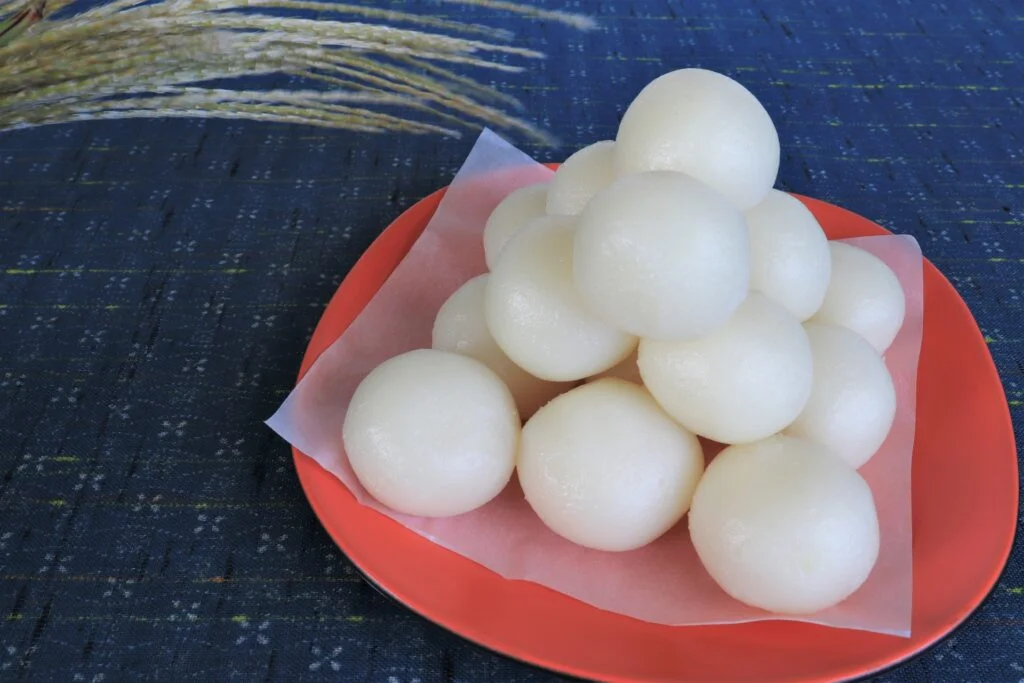
| ❏ What is Tsukimi Dango? Tsukimi dango (月見団子) are white rice dumplings made primarily from a blend of non-glutinous and glutinous rice flour (joshinko and shiratamako). They are specially prepared during Jugoya 十五夜 (the 15th night of the lunar calendar), which usually falls between September and October. Its shape is mirroring the bright form of the autumn full moon. Offered to the moon and the gods as an expression of gratitude for a successful harvest. |
| Geometry of Tradition: How They Are Displayed |
|---|
| What truly elevates Tsukimi dango into a form of art is the intentional layout. Unlike everyday street food skewers type, these dumplings are arranged ceremoniously on the moon viewing festival. ◆ Pyramid Stack: Exactly 15 dango are carefully piled on a sanpo (a traditional wooden offering stand). Traditionally, O-tsukimi is celebrated on the 15th day of the 8th month in the lunar calendar. This night is called Jugoya (十五夜), which literally translates to “the 15th night.” Because the lunar cycle resets with a new moon on the 1st day of the month, the 15th night is when the moon reaches its brightest, most beautiful, and most complete full phase. Stacking total 15 dango directly honors this 15th night of the festival. ◆ Layer Breakdown: The foundation starts with a 3×3 base (9 dango), followed by a 2×2 layer (4 dango), and topped perfectly with the final 2 dango pointing toward the sky. The pyramid design allows the top dumplings to point toward the heavens, acting as a spiritual bridge (yorishiro) to pass gratitude directly to the moon gods for a healthy autumn harvest. ◆ The Accent Elements: The pyramid is always paired with Susuki (silver pampas grass) to ward off evil spirits, along with the seasonal autumn produce like sweet potatoes or chestnuts. |
| Regional Flavors: East vs. West |
|---|
| Like all the craftmanship and art, Tsukimi dango changes depending on the regional tradition |
| Region | Appearance & Style | Flavour Profile |
| Kanto (Eastern Japan) | Perfectly round white shape. Traditionally stacked in a 15-dango pyramid set. | Traditionally white plain and often upgraded with a sweet mitarashi sauce or red bean paste (anko) topping. |
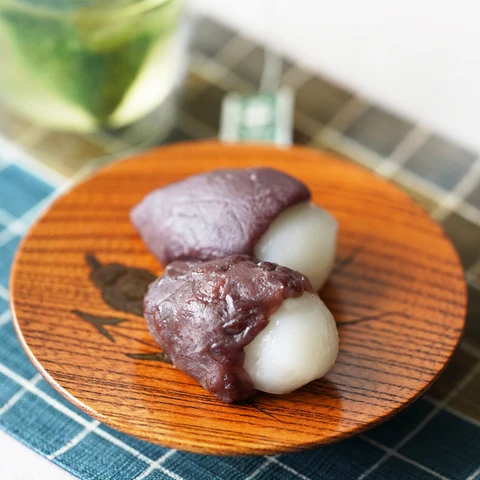
| Kansai (Western Japan) | Oblong shape meant to mimic taro roots (sato imo). Traditionally stacked in a 15-dango pyramid set to representing as offerings. | Gently wrapped in a “tsubu-an” Azuki red bean paste. White dango represents the moon emerging through a shroud of autumn clouds (Tsubu-an). |
Chasing the Harvest Moon
| How to Experience Moon viewing festival in Kansai |
|---|
| If you want to move past the kitchen counter and see how this poetic connection to the night sky comes alive, the Kansai region hosts some of the most authentic moon festival gatherings in the world. |
| ⬛️ Imperial Elegance at Daikaku-ji Temple (Kyoto) |
|---|
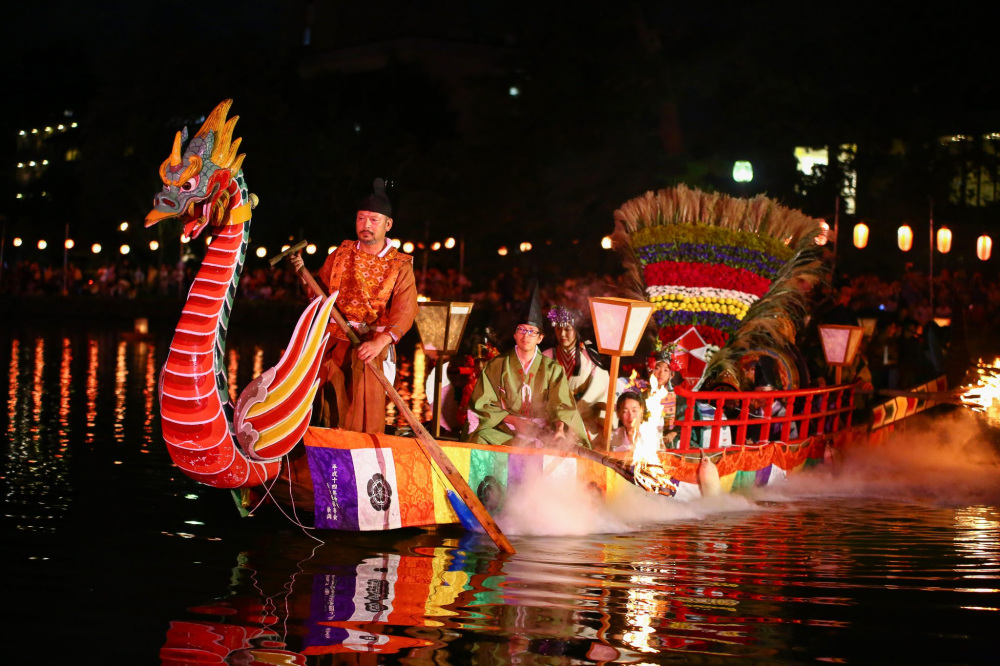
| To witness Otsukimi exactly as the Heian-era court aristocrats did last 1,200 years ago, head to Daikaku-ji Temple in the Arashiyama, Kyoto. During the Kangetsu no Yube Moon Viewing festival, visitors can board traditional dragon-headed and phoenix-headed boats that float out on the ancient Osawa Pond, Japan’s oldest surviving man-made garden pond. As you glide across the water, you view the autumn moon twice: once in the night sky, and once perfectly mirrored on the glassy surface of the pond. The evening event features a pond-side stage for Buddhist prayers, live courtly music, and Japanese tea ceremony seating where you can enjoy matcha while viewing the harvest moon. 📍Kangetsu no Yube | 観月の夕べ Venue: Daikaku-ji Temple (大覚寺), Arashiyama Kyoto Dates: September 25 – 27, 2026 (Note: 25 Sept is Mid-Autumn festival) Time: 17:30 – 21:00 (Last entry at 20:30) Admission: Adults: ¥700 / Elementary, Junior High, and High School Students: ¥300 (Please note that a separate admission fee is required for the nighttime event, even you visited during the day.) WEB: www.daikakuji.or.jp/ |

| How to Get There |
|---|
| ▶ Sagano Line JR Saga-Arashiyama Station → Kyoto City Bus Route Bus no. 91 → Daikakuji Bus Stop → 5 mins by walk ▶ Keifuku (Randen) Electric Railway → Randen Arashiyama Station → Kyoto City Bus Route Bus no. 28 → Daikakuji Bus Stop → 5 mins by walk. |
| Dragon Boat Ride & Matcha Experience |
|---|
| The dragon boat ride on Osawa Pond and the matcha tea experience at Godai-do Hall are available exclusively as a set for those who purchased a “Special Ticket” (¥7,000) in advance. * Due to limited capacity, tickets were distributed via lottery if applications exceeded spots. * Please note that the advance application period has already closed. General Admission Even without an advance ticket for Dragon Boat Ride and Japanese tea ceremony experience, you can still enter the Osawa Pond area to stroll around and enjoy the autumn moon. (Admission fee: Adults ¥700 / Children ¥300) Waitlist for Same-Day Special Tickets Starting from 17:30, a waitlist will open at the Special Ticket Exchange everyday. If there are any same-day cancellations, you will be able to purchase a “Special Ticket” (¥7,000) in numerical order. (Please note that there may be days with no cancellations) * Please do not bring outside food or drinks into the venue. * Although refreshment stalls are planned, eating and drinking are prohibited on the premises. They will only sell souvenirs and packaged goods to take home. |


| ⬛️ Sacred Echoes at Shimogamo Shrine (Kyoto) |
|---|
| Deep in the ancient canopy of Tadasu no Mori forest, Shimogamo Shrine hosts a spiritual autumn celebration called Meigetsu Kangen-sai (名月管絃祭) . As the harvest moon rises, the shrine’s bridge-style pavilion (Hashi-dono) is illuminated solely by blazing torches and bonfires. Traditional Gagaku (雅楽 imperial court music), Shinto ritual dances, and ancient poetry recitations are performed live in the flickering firelight. The performance backdrop features a brilliant gold screen framed by autumn pampas grass, creating a dreamlike connection to Japan’s spiritual past. Under the silvery glow of the harvest moon, a dancer in a fierce golden dragon mask and flowing red robes brings to life the legendary tale of Prince Lan-ling (蘭陵王) hailed as history’s most handsome warrior accompanied by the timeless echoes of Gagaku court music (雅楽) during the Meigetsu Kangen-sai moon viewing festival. Visitors can purchase access to an outdoor moon-viewing tea ceremony run by kimono-clad tea masters right on the ancient shrine grounds. 📍Meigetsu Kangensai | 名月管絃祭 Venue: Shimogamo Jinja Shrine (下鴨神社), Kyoto city Dates: September 25, 2026 Time: 17:30 – 21:00 WEB: www.daikakuji.or.jp/ |
| ⬛️ Unforgettable Love at Uneme Matsuri | 采女祭 (Nara) |
|---|
| Uneme Festival in Nara takes place on September 25, 2026, coinciding with Otsukimi Moon-Viewing night. This poignant festival honors a Nara-period court lady who tragically drowned herself in Sarusawa Pond after losing the Emperor’s favor. The evening highlights begin at 17:00 with an elegant parade of participants in ancient Tenpyō-era costumes marching from JR Nara Station, followed by Shinto rituals at Uneme Shrine at 18:00. The festival culminates around 19:00 when 2 dragon boats float across the pond to the sounds of traditional Gagaku court music, ending with the symbolic casting of a giant flower fan into the water under the harvest moon. 📍Uneme Matsuri | 采女祭 Venue: Sarusawa Pond and Uneme Shrine, Nara city Dates: September 25, 2026 Time: 17:00 – 19:00 Admission Ticket: Free of charge WEB: https://narashikanko.or.jp/feature/unemematsuri |

| Bringing the Moon Indoors |
|---|
| You don’t need a sprawling Japanese garden to participate in the contemplative vibe of Otsukimi moon viewing festival. Even on a small apartment balcony or by a clear window and setting up a miniature altar with a plate of dango captures the spirit of the season. At Stickart, we believe in transforming everyday environments into pieces of self-expression. Whether you are rolling your own dango from scratch or finding creative ways to weave autumn motifs into your living space, look up at the sky this season and celebrate the beautiful canvas of the moon. Explore our newest Otsukimi collection in our online store on September 2026. |
| STICKART (ステッカート) |
|---|
| ▶︎ 大阪発のデザイン・ステッカー専門店 A sticker store designed by artists from Osaka, Japan ▶︎ Powered by AG-TECH™: 夜間も目立つ反射素材採用 | 3年以上の屋外耐候・完全防水 Reflective sticker for high visibility at night, 100% waterproof and weather-resistant for outdoor use for 3 years+ ■ 購入金額1,500円(税込)以上で送料無料(日本全国) We offer free nationwide shipping on all purchases of 1,500 yen or more (tax included). |