
Discover Matcha Wagashi
| When you think of Matcha green tea, one region instantly steals the spotlight is Kansai. As the birthplace of the Japanese tea ceremony, Kansai is home to legendary tea fields and master Japanese sweet makers. But what happens when you combine the premium matcha with the artistic textures of Japanese traditional sweets (wagashi)? You get an explosion of deep green color and balanced bitterness that sweets lovers can’t get enough. For many creators, designers and healthy food lovers, the deep jade tones of high quality matcha green tea provide its color aesthetic. Grab a bamboo whisk! Now we are embarking on a gourmet tour to discover Kansai’s most incredible matcha treats! |
| The Roots: Green Tea Culture in Japan Green tea is much more than a beverage in Japan, it’s a cultural cornerstone. Originally brought from China by Buddhist monks in early 900s as a medicinal aid for Buddhist meditation, tea drinking quickly evolved into an elite art form. |
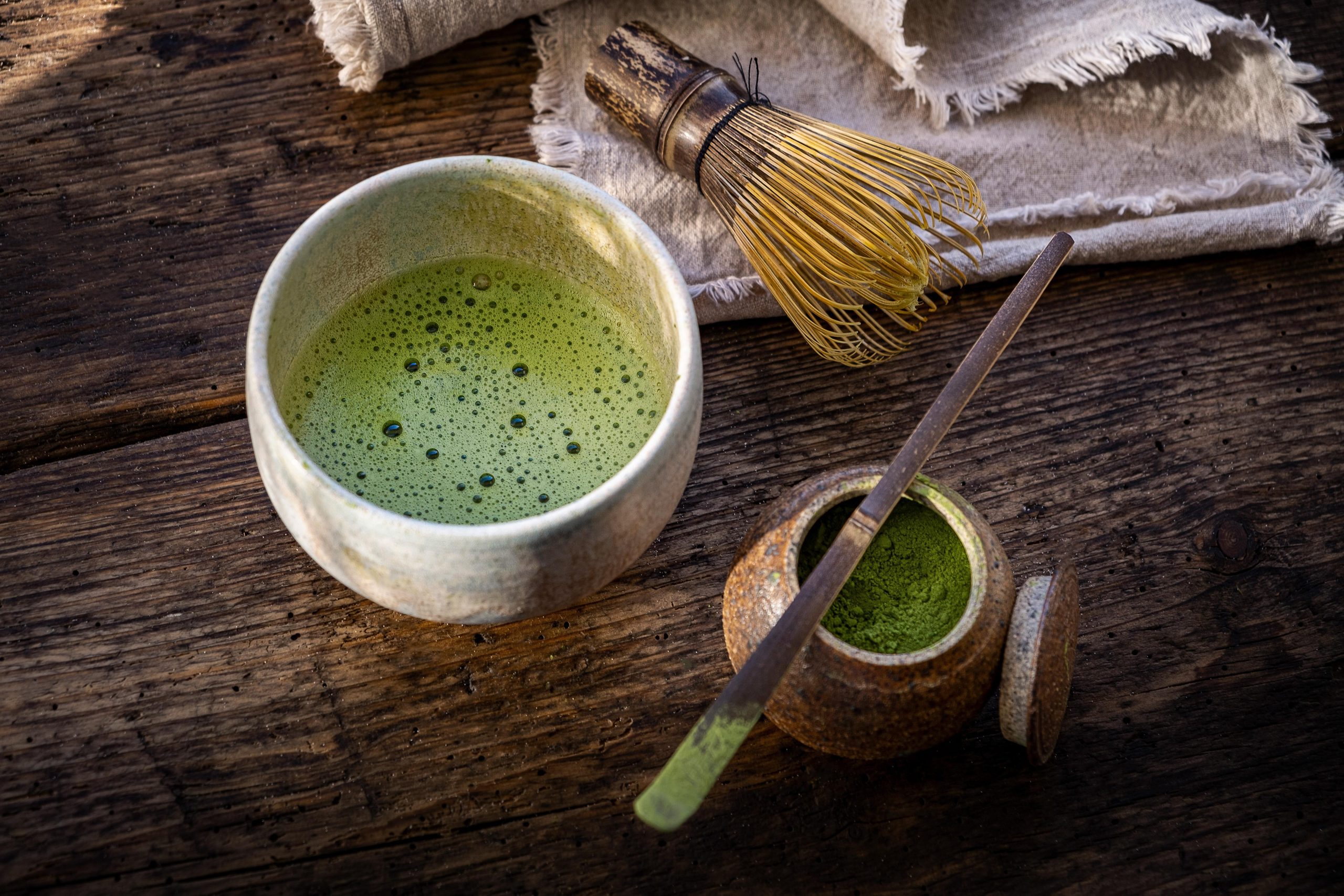
| 5 Major Pillars of Japanese Green Tea |
| While all Japanese green tea originates from the exact same plant species (Camellia sinensis), variations in sun exposure, harvesting times, and roasting techniques create five entirely distinct flavor and color profiles |
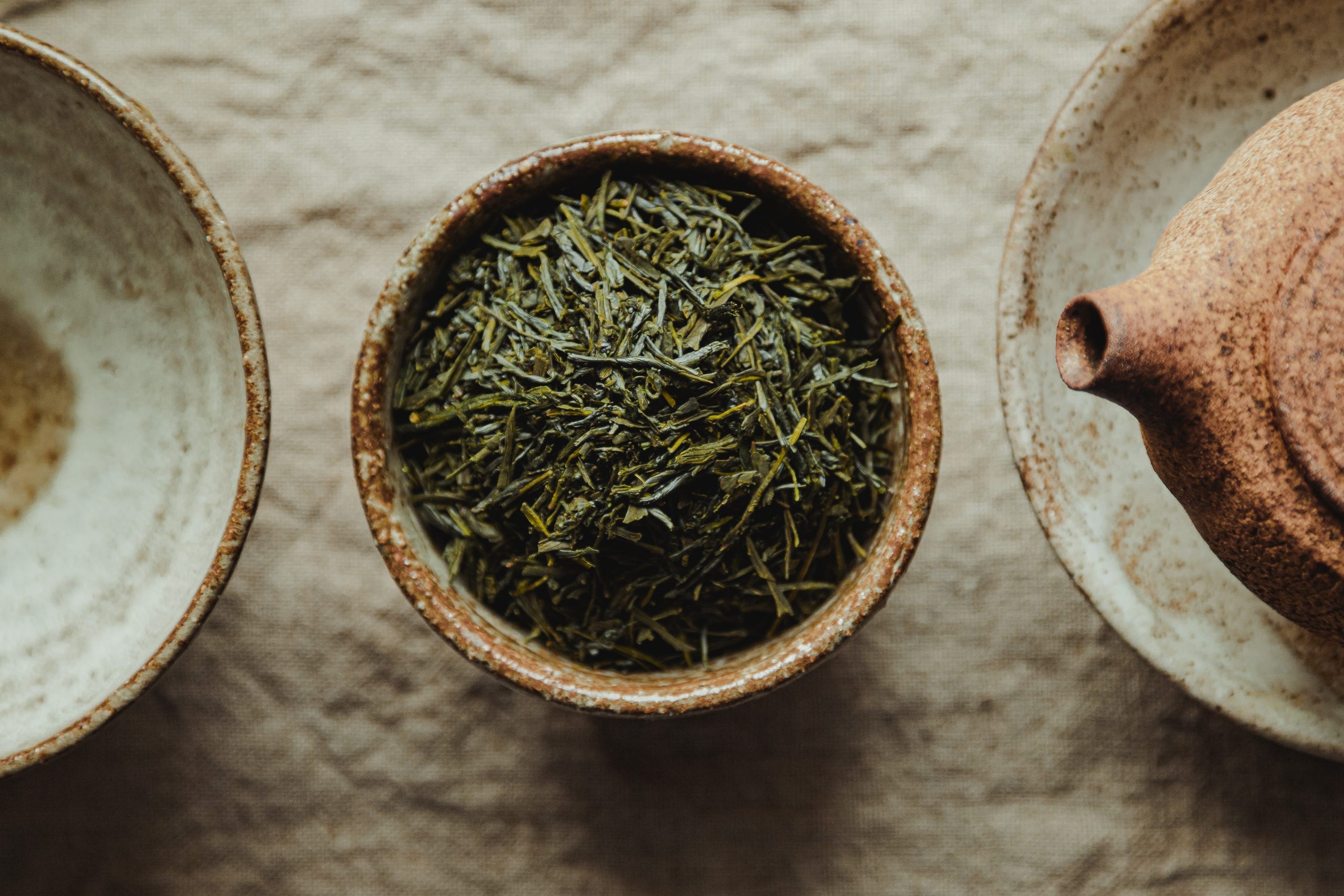
| ◉ Matcha (抹茶) – The Shade-Grown Powder Tea bushes are completely covered with black cloth or straw mats for up to 3–4 weeks before harvest. This blocks 90% of sunlight, forcing the leaves to produce massive amounts of chlorophyll and amino acids. The leaves are steamed and dried without rolling into Tencha (碾茶), and slowly ground between heavy granite stones into a microscopic powder. It boasts an ultra-vibrant electric green color, a deeply creamy texture and rich umami flavour, velvety taste with a pleasant bitterness. |
| ◉ Gyokuro (玉露) – The Jewel of Green Tea Farmed using the exact same intensive 3-week shading method as matcha, but processed differently. Instead of being ground into a powder, the leaves are carefully rolled into dark-green needle shapes. Brewed at a much lower temperature (around 50°C / 122°F), it yields a pale jade liquor with a broth-like texture. It has a rich umami flavor with almost zero bitterness. |
| ◉ Sencha (煎茶) or Kabusecha (冠茶) — The Sun-Kissed Classic Representing the majority of tea enjoyed daily in Japanese households, these tea bushes spend their entire lives basking in direct sunlight. The leaves are quickly steamed post-harvest to lock in their emerald color, then rolled and kneaded into fine needles as they dry. It brews into a golden-green liquid that offers a wonderful refreshment and astringent bite balanced by grassy and floral notes. |
| ◉ Genmaicha (玄米茶) – The Popcorn Tea A highly aromatic blend made by mixing standard Sencha or Bancha leaves (番茶/ Japanese green tea made from the older leaves harvested later in the season from the same tea plants used for sencha. Picked during summer and autumn) with toasted brown rice (genmai). Historically created as a clever way for everyday people to stretch their precious tea supplies, it has become a global favorite for its comforting flavor. It brews into a light yellow liquor with a roasty and savory grain-like aroma that softens the natural grassy astringency of the green tea leaves. |
| ◉ Hojicha (ほうじ茶) – The Fire-Roasted Alternative This unique variety takes regular green tea leaves (often a mix of Sencha and late-season Bancha leaves) and roasts them over high-heat charcoal in a porcelain pot at roughly 200°C (392°F). This extreme heat alters the chemical structure, destroying almost all the tea’s natural bitterness and lowering its caffeine content significantly. It pours a deep brown color and trades all grassy notes for a toasted woody aroma that closely mimics coffee or roasted cocoa beans. |
| At its peak, this culture birthed Chado (茶道/ The Way of Tea), a Japanese tea ceremony built on Zen Buddhism philosophy. It revolves around four simple principles: Harmony with nature, Respect for others, Purity of mind, and Tranquility. Today, this ancient focus on mindfulness is exactly why the calming jade tones of green tea remain a design trend worldwide. |
| Ground Zero: The Oldest Tea Farms in Japan |
|---|
| To understand the soul of Uji matcha greentea, we have to travel back over 800 years to a quiet, forested temple nestled in the mountains northwest of Kyoto City: Kozan-ji temple (高山寺). In the early 13th century, the founder of Zen Buddhism in Japan, Eisai, returned from China with precious tea seeds. He gifted them to Priest Myoe, who recognized the ideal soil conditions at Kozan-ji temple (高山寺) and planted very first registered tea field in Japan. Because the tea from this garden tasted so clean and pure, it was deemed Honcha (True Tea), while tea grown anywhere else in Japan was considered Hicha (Non-Tea). Today, a small plot of this ancient tea plantation still thrives at Kozan-ji temple, actively protected and harvested by local growers. |
| Uji Tea Story & Green Waves of Wazuka |
|---|
| Before we explore the hidden valleys where Kyoto’s tea is grown, we must first stop at its gateway: Uji city (宇治市). Located just south of Kyoto city around the Uji river, Uji is universally recognized as the global cradle of premium Japanese green tea. The relationship between Uji and tea culture is legendary one. After the monk Eisai planted Japan’s very first seeds at Kozan-ji Temple, it was Uji’s unique soil, river mists, and sloping hills that allowed the plants to truly flourish. It was also here that many local artisans pioneered the shading technique (covering tea bushes weeks before harvest), blocking out sunlight to maximize chlorophyll and sweet amino acids. This revolutionary process gave birth to Uji Tea (宇治茶/ Uji cha), an premium grade of Japanese tea. It became the official choice for royal courts, elite samurai, Zen Buddist monks and tea masters for centuries. |
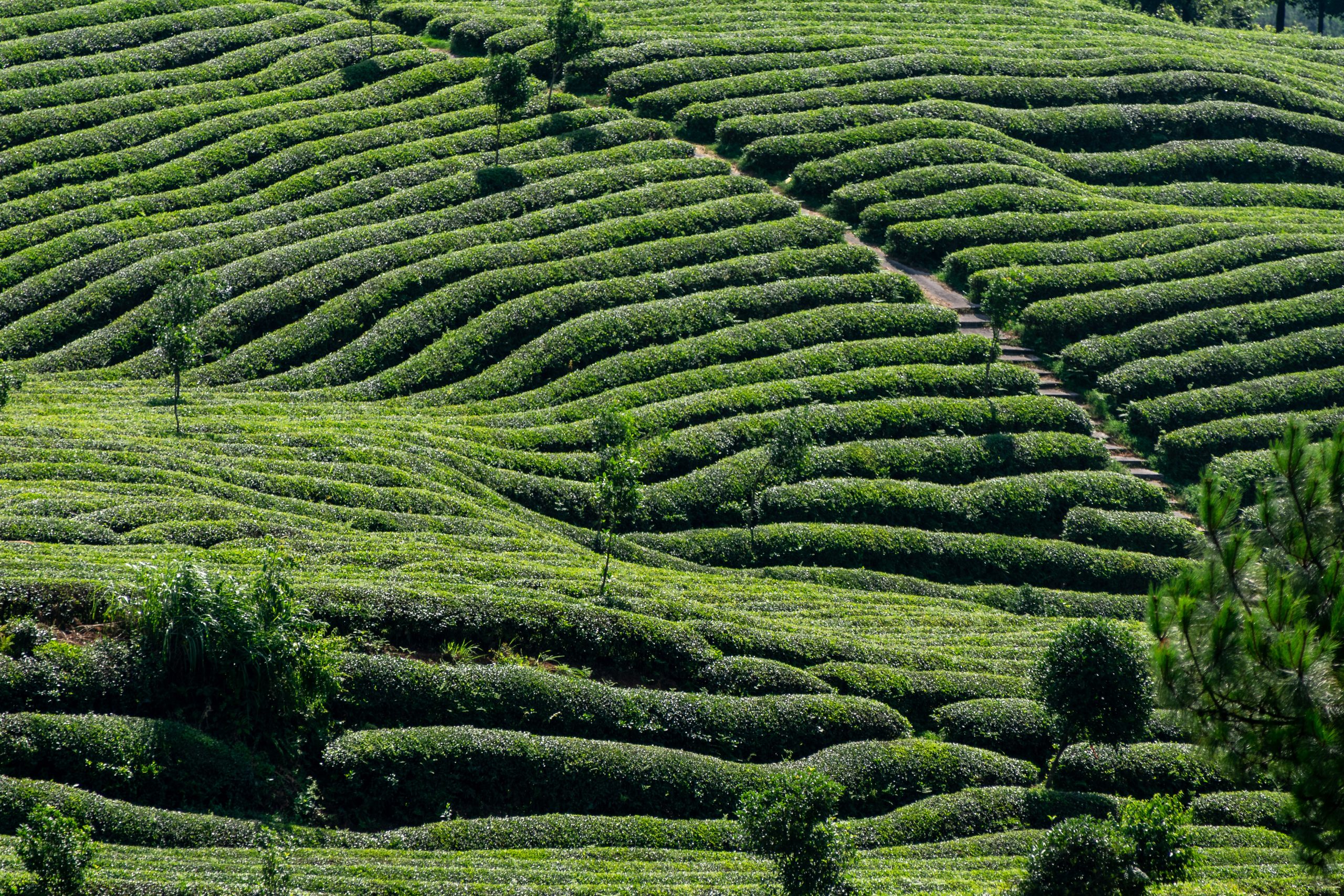
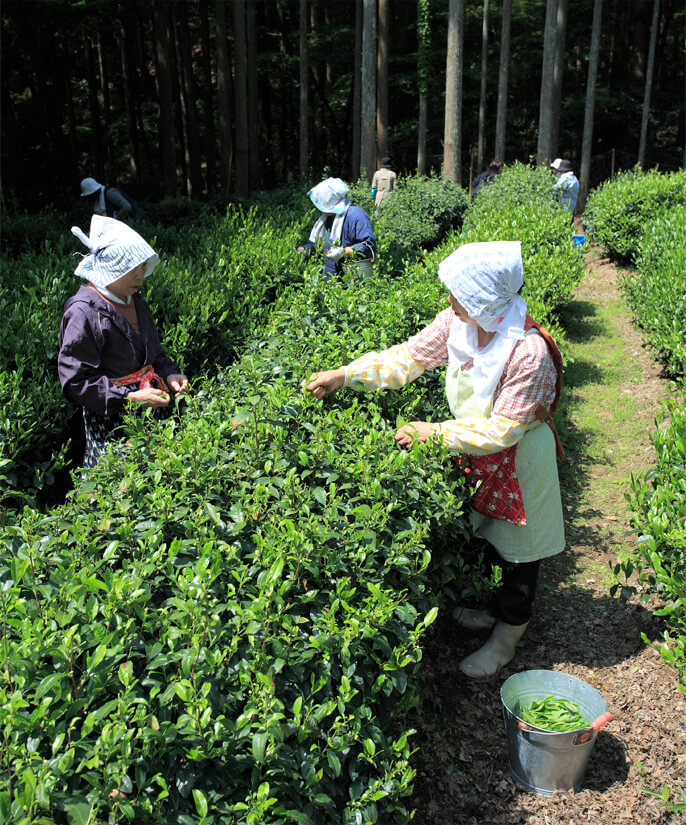
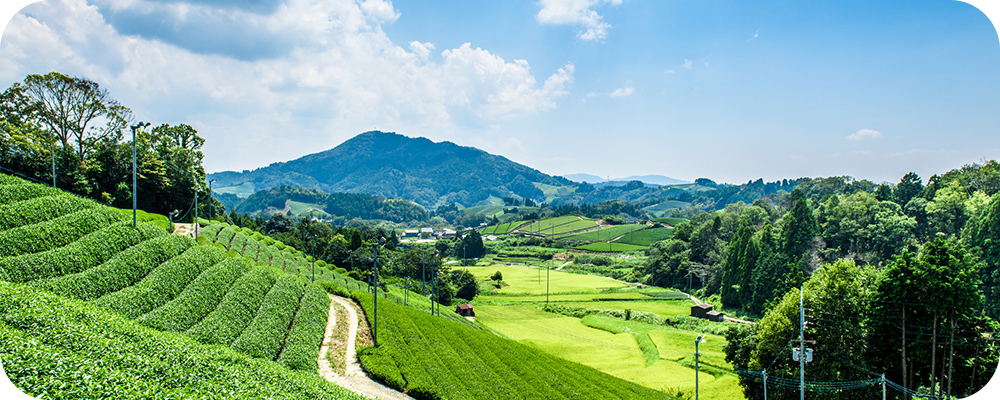
| But while Uji city remains the trading hub, bustling with ancient tea shops and wooden store fronts where does this incredible tea actually grow today? To find the source, we have to travel 30 minutes deeper into the mountains where the landscapes transform into rolling waves of solid green. From those few seeds at Kozan-ji temple, tea culture trickled south and found its forever home in the Yamashiro Basin, creating what the world knows today as premium Uji green tea. While Uji city remains the trading hub, the actual heart of the tea production is hidden 30 minutes away in the breathtaking valleys of Wazuka Town (和束町). Wazuka is recognized as a Japan heritage site. Its rolling hills look like giant green steps stretching into the sky. Having cultivated tea for over 800 years. Wazuka produces nearly half of Kyoto Prefecture’s entire tea output, specializing heavily in Tencha leaves, the premium shade-grown leaf that is stone-ground into vibrant emerald matcha powder. |
| Matcha Wagashi Hotspots in Kansai |
〜 Experience Uji Matcha Warabi Mochi 〜
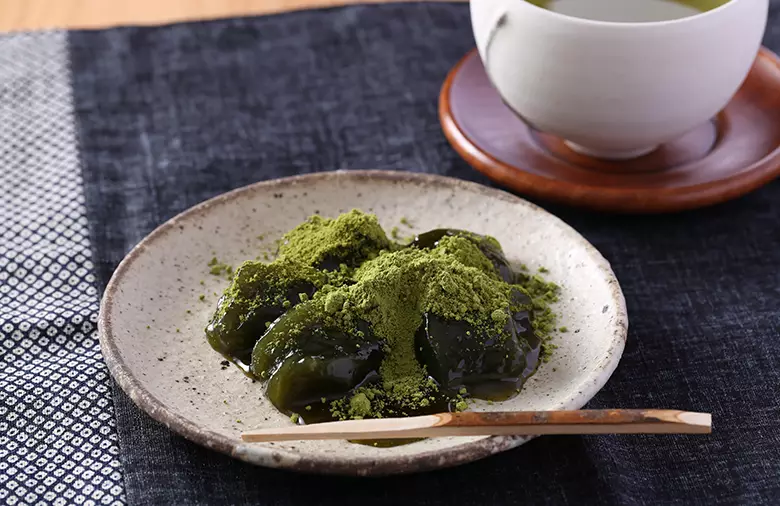
| Unlike standard mochi made from rice flour, warabi mochi is made from wild bracken starch, giving it a jelly-like texture. In Uji, these translucent cubes are intensely infused with premium grade matcha greentea and heavily dusted with bitter kinako (roasted soybean powder). |
| ◉ Tsujirihei Honten (辻利兵衛本店) |
|---|
| Venue: Tsujirihei Main Branch | 辻利兵衛 本店 (Uji, Kyoto) Housed inside a renovated 100-year-old Meiji-era tea factory hidden in a quiet Uji neighborhood, Tsujirihei Honten is legendary among tea purists. Their Matcha Warabi Mochi is so soft and supple that it sits perfectly on the boundary between a liquid and a solid. It features a stone-ground Uji matcha flavor with a lingering bitter-to-umami aftertaste that is never hidden behind too much sugar WEB: www.tsujirihei.co.jp |
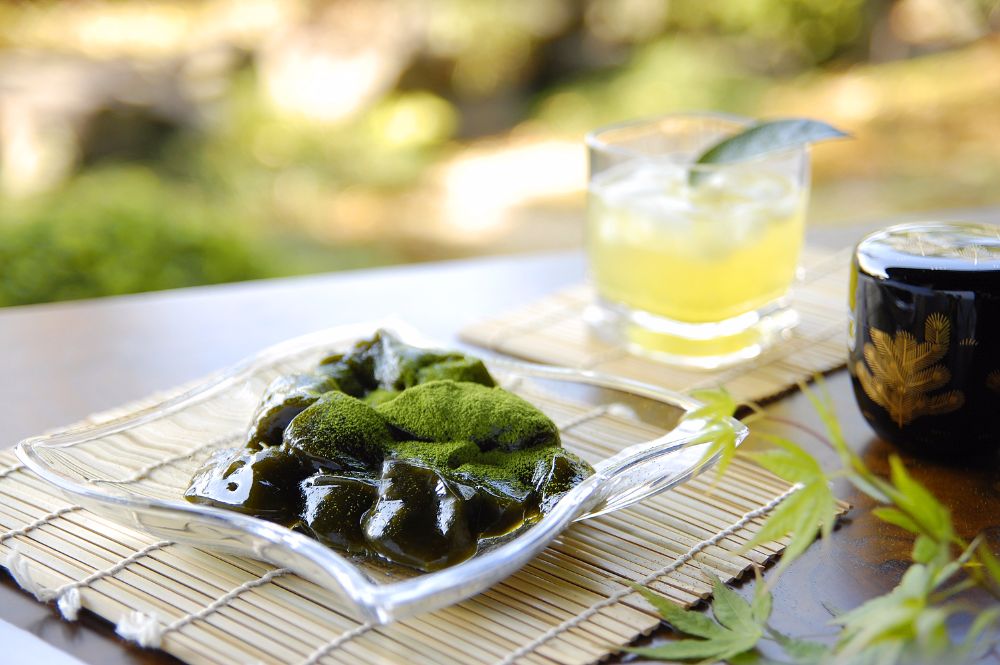
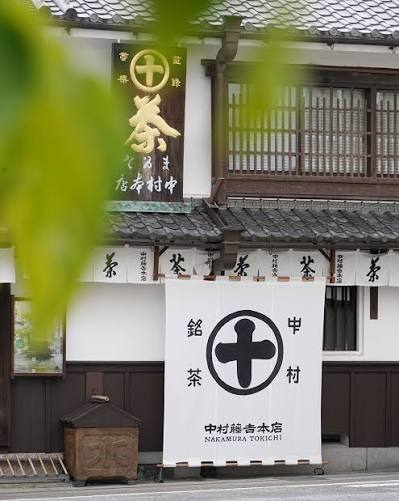
| ◉ Nakamura Tokichi Honten (中村藤吉 本店) Venue: Nakamura Tokichi Main Branch | 中村藤吉 本店(Uji, Kyoto) Operating since 1854, Nakamura Tokichi Main Branch is an ultimate matcha destination in Uji. While they are internationally famous for their layered parfaits, their fresh Matcha warabi mochi sets are an absolute local treasure. Their fresh jelly cubes are heavily dusted with a fragrant mix of stone-ground green tea and kinako (roasted soybean powder). The woody aroma from the raw bamboo container accents the earthy matcha flavor beautifully. WEB: https://tokichi.jp/ |
| ◉ Itoh Kyuemon (伊藤久右衛門) |
|---|
| Venue: Itoh Kyuemon Byodo-in Branch | 伊藤久右衛門 平等院店 (Uji, Kyoto) Located near the iconic Byodo-in Temple approach, Itoh Kyuemon Byodo-in Branch serves premium matcha warabi mochi in an approachable atmosphere. What makes them unique is their custom Matcha Syrup drizzle set. You can control your sweet tooth by pouring matcha molasses directly over your fresh mochi. Even better, they also sell take-home boxes of their famous warabi mochi so you can share the authentic taste of Uji with your family and friends WEB: https://www.itohkyuemon.co.jp/ |
Experience Uji Matcha Wagashi
| Matcha Wagashi & Dessert Guide (2026) Ready to taste the magic? Whether you want a hot interactive dip, a towering glass of modern textures, or a healthy drink on the go, Kansai has the ultimate setup for your green tea cravings. |
| ◉ Matcha Dango | Osaka |
|---|
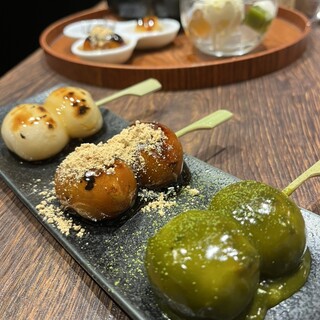
| Venue: Marufuji Cafe (Tennoji, Osaka) ※ Renewal open from 2nd September 2026 At a modern wagashi cafe across the city, you can order freshly grilled rice dumplings skewer-style, drenched in a sweet-and-bitter matcha greentea or topped with smooth matcha “azuki” bean paste. It’s a casual treat perfect for an afternoon stroll. WEB: https://www.marufuji-dango.com/ |
| ◉ Uji Matcha-Kintoki Shaved Ice (宇治金時) | Osaka |
|---|
| Venue: Chidoriya Soke Osaka Main Store | 千鳥屋宗家 大阪本店 (Honmachi, Osaka) * limited in summer This summer wagashi features a mountain of fluffy shaved ice drenched in Uji matcha greentea syrup. It is topped with sweet Dainagon red beans (kintoki) and chewy white shiratama mochi dango. The cold ice sharpens the natural umami flavors of the tea and making it an absolute sensational delight! WEB: https://www.chidoriya.jp/store/ |
| ◉ Matcha Fondue | Kyoto |
|---|
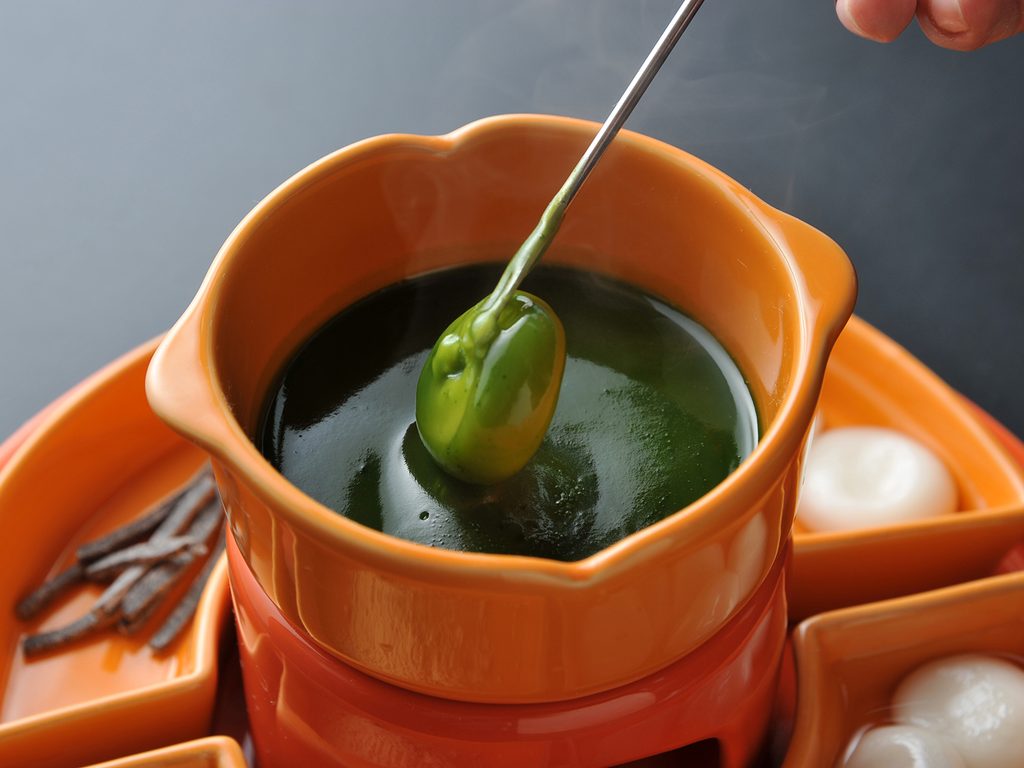
| Venue: Sabo Kanugi | 茶房 櫟 (Uji, Kyoto) Tucked away from the busy main tourist crowds, this scenic café sits directly along the banks of the Uji River, right in front of a 300-year-old oak tree. Sabo Kunugi is famous for its signature Matcha Fondue. Unlike other desserts, their fondue is completely handcrafted to order. They serve a warming pot of matcha bean paste. Along with the dipping sauce, you are presented with a platter of rice flour dango dumplings (shiratama). Plunging the warm dumplings into the bittersweet green paste creates a harmonious balance of texture and pure Uji matcha flavor that can only be found at this specific location. WEB: https://ike-s.com/ How to Get There ▶ JR Nara Line JR Uji Station → 13 mins by walk ▶ Keihan Main Line Chushojima Station → Keihan Uji Line Keihan Uji Station → 5 mins by walk |
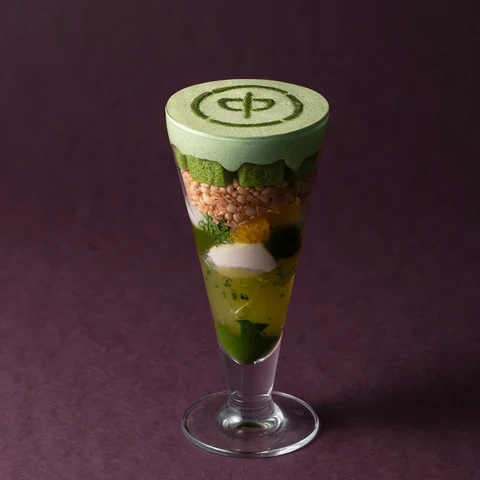
| ◉ “Maruto” Matcha Parfait | Kyoto Venue: Nakamura Tokichi Shijo Store | 中村藤吉 四条店 (Kawaramachi, Kyoto) Founded in 1854, the famous Maruto Parfait features premium handmade matcha chiffon cake, crunchy rice puffs, chewy dango balls, sweet azuki bean paste, and their popular Matcha Leaf Jelly. It is topped with a flawless dusting of matcha powder forming the store’s crest. WEB: https://global.tokichi.jp/pages/shijo-store How to Get There: ▶ Hankyu Kyoto Line Kyoto-Kawaramachi Station → 5 mins by walk ▶ Keihan Main Line Gion-Shijo Station → 5 mins by walk ▶ Kyoto City Bus route no. 4, 5, 17, 205 → Shijo Kawaramachi Bus Stop → 3 mins by walk |
| ◉ Organic Matcha Smoothie | Osaka |
|---|
| Venue: REJU Cafe Shinsaibashi | REJU 心斎橋店 (Shinsaibashi, Osaka) If you are shopping through Osaka’s trendy fashion districts, skip the heavy syrups and grab this healthy treat Uji Matcha Protein Smoothie. This modern wellness café blends premium organic Uji matcha powder in an antioxidant smoothie base designed to boost energy and metabolism naturally. It is the perfect, refreshing for a city trip! WEB: www.instagram.com/reju.shinsaibashi/ How to Get There: ▶ Osaka Metro Midosuji Line / Nagahoritsurumi-ryokuchi Line Shinsaibashi Station → 5 mins by walk (It located right behind the W Osaka hotel) ▶ Osaka Metro Midosuji Line / Chuo Line / Yotsubashi Line Hommachi Station → 5 mins by walk |

Color Your World with Matcha Aesthetic Stickers!
| At StickArt.jp, we are absolutely obsessed with traditional Japanese art and folklore. There is something incredibly grounding and aesthetic about the rich color palettes of our Daruma and Yokai stickers. Bring that vibrant energy straight to your daily essentials! Our latest drop features beautifully minimalist designs, including the playful Chochin-obake (the classic Japanese lantern ghost), an adorable Daruma x hamster mashup, and a fierce samurai horse. Printed on premium weatherproof vinyl, these decals give an instant artistic upgrade to your laptop, car, smartphone, skateboard, or water bottle. Grab your new favorites at StickArt.jp and carry a piece of authentic Japanese street culture wherever you go! |
-

MochiTsuki (Blue)
¥550 稅込 -

MochiTsuki (Green)
¥550 稅込 -
Moon Mail
¥550 稅込 -

Moon Rabbit (Blue)
¥550 稅込 -
Moon Rabbit (Pink)
¥550 稅込 -

Victory Rabbit Daruma (Green)
¥550 稅込 -

Victory Rabbit Daruma (Ivory)
¥550 稅込 -

Victory Rabbit Daruma (Red)
¥550 稅込
タグ別商品
| STICKART (ステッカート) |
|---|
| ▶︎ 大阪発のデザイン・ステッカー専門店 A sticker store designed by artists from Osaka, Japan ▶︎ Powered by AG-TECH™: 夜間も目立つ反射素材採用 | 3年以上の屋外耐候・完全防水 Reflective sticker for high visibility at night, 100% waterproof and weather-resistant for outdoor use for 3 years+ ■ 購入金額1,500円(税込)以上で送料無料(日本全国) We offer free nationwide shipping on all purchases of 1,500 yen or more (tax included). |