How Kanji, Geisha and Shrines Created the Stickers and Card Culture
| Long before modern streetwear brands and independent artists turned stickers into a tool for their self-expression and subculture identity, Japan already had a long history with this craft. Enter the world of Senjafuda (千社札) and Hana-meishi (花名刺), the traditional namecard sticker tradition deeply rooted in Japan’s spirit and Geisha cultures for many centuries. At stickart.jp, we don’t just make stickers, but we live, breathe, and bleed sticker culture. To understand where our collective obsession comes from, we have to look back how Kyoto’s apprentice Geisha (Maiko) and Edo period pilgrims turned paper slips into highly coveted symbols of identities, lucks, and styles. |
CHAPTER 1: From Shodō to Shadow
| ◉ How Japanese Typography Rules Street Culture |
|---|
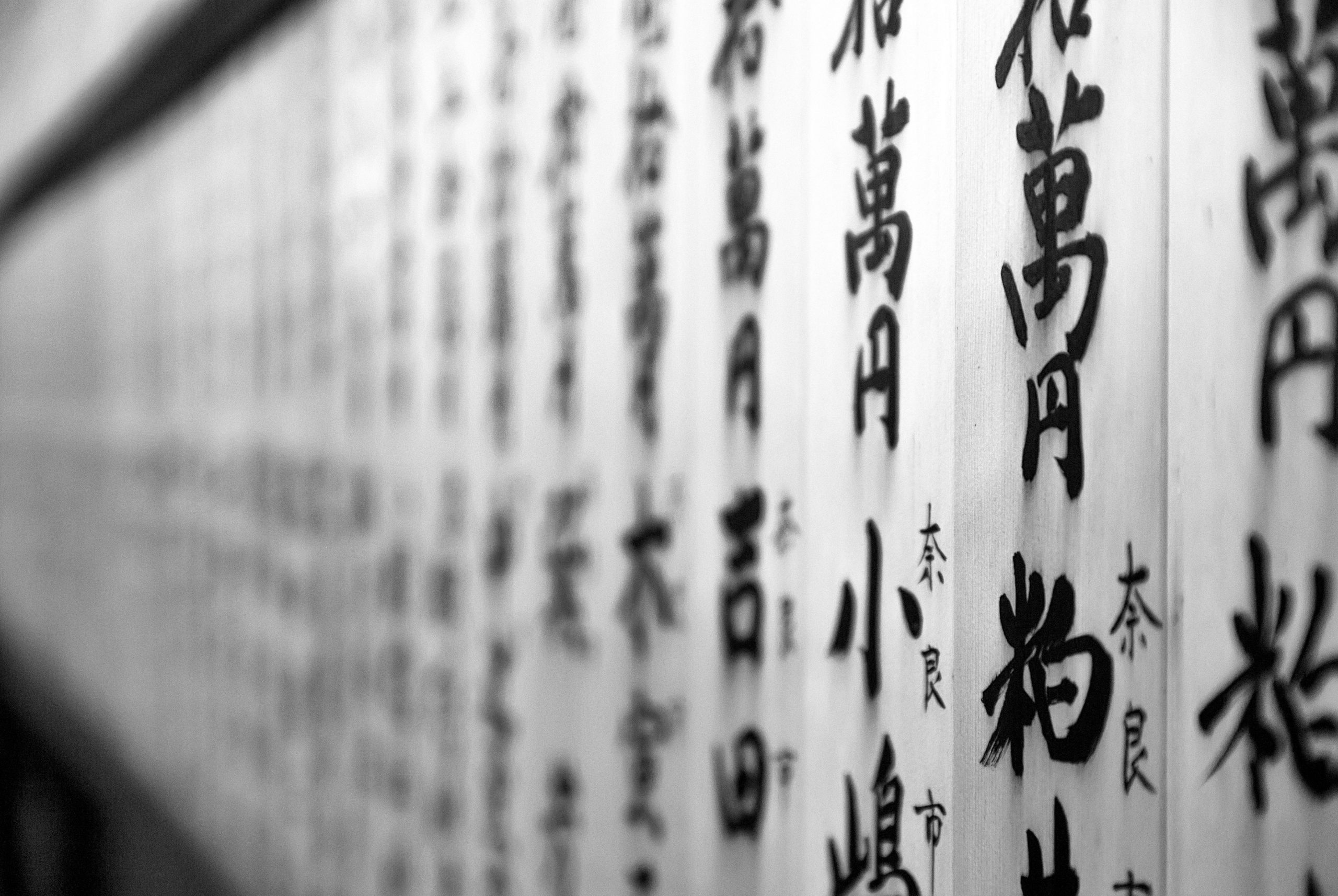
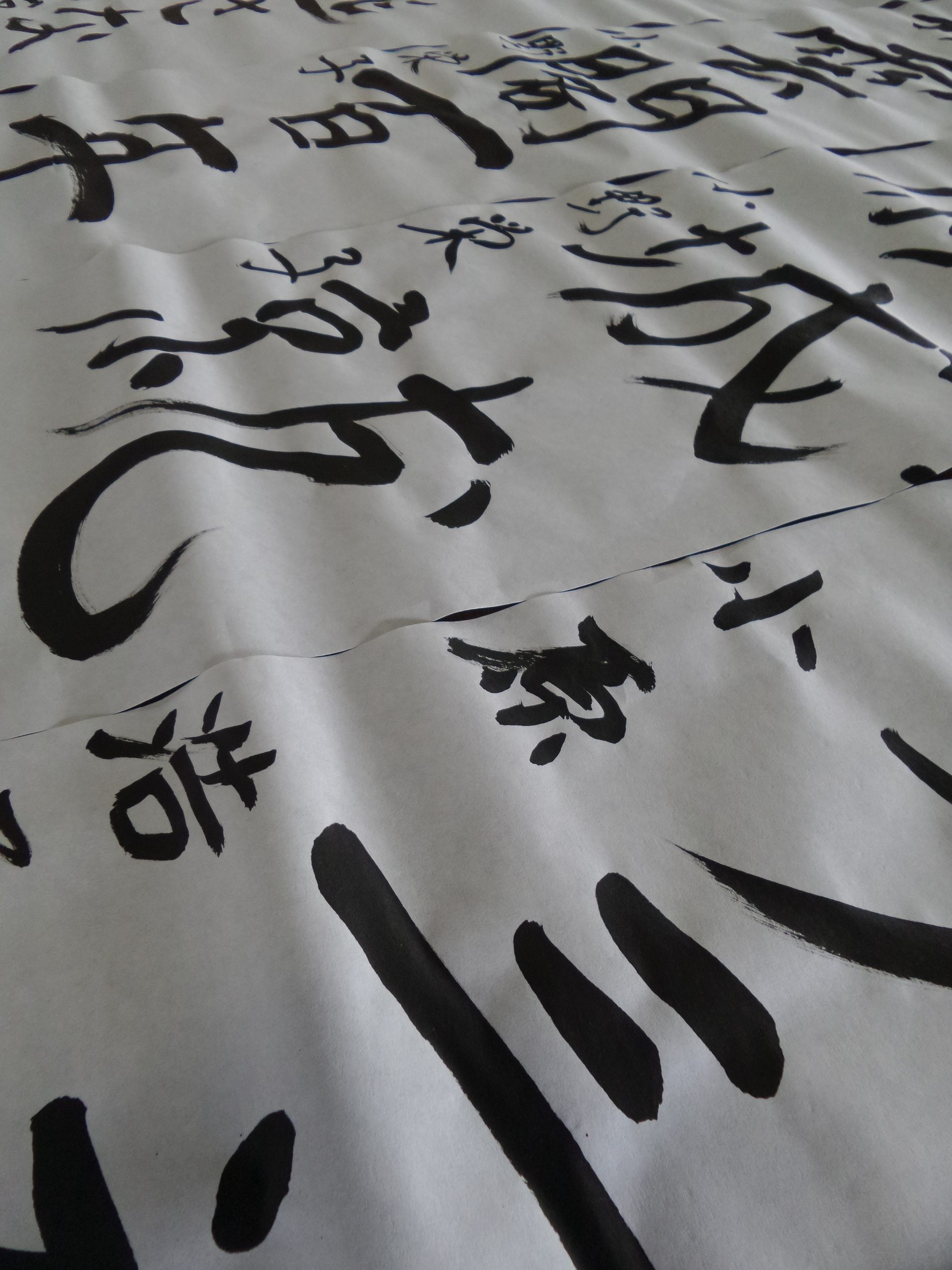
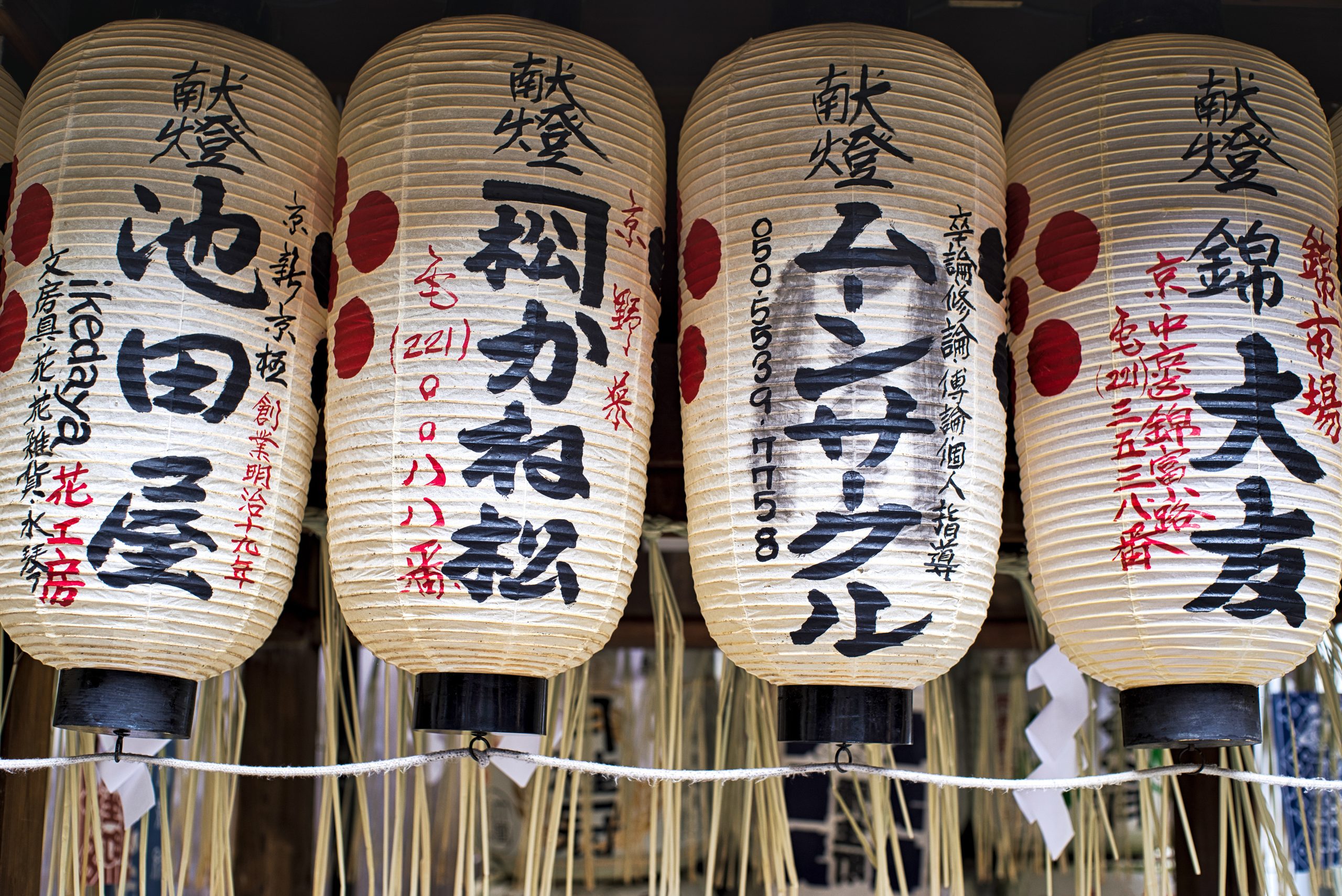
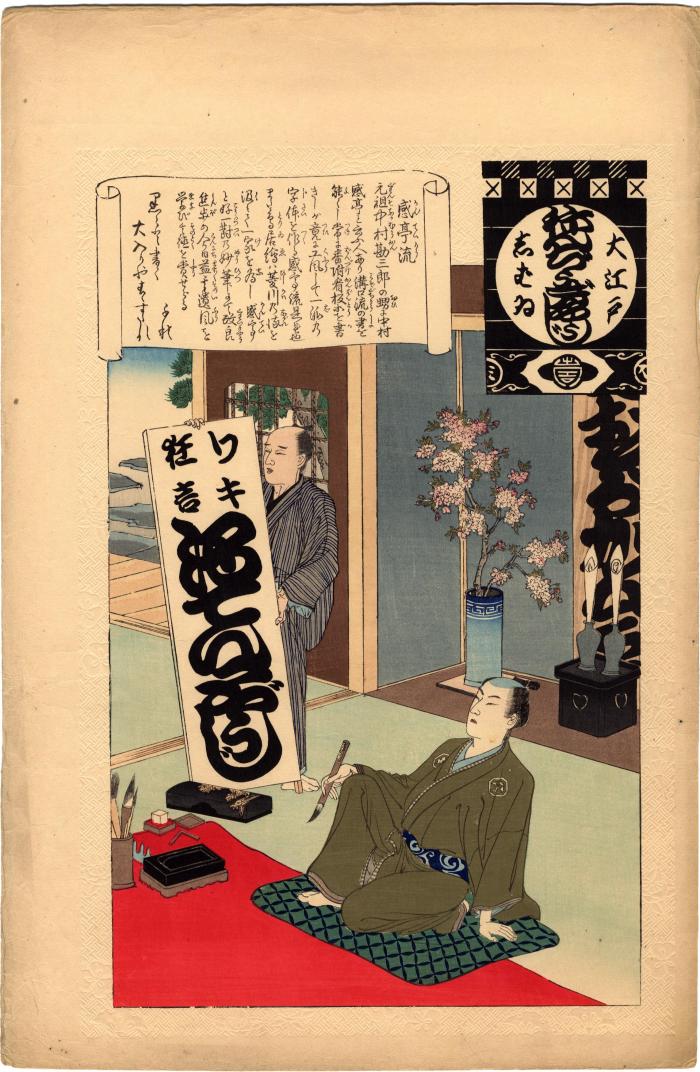
| Shodo (書道), which translates directly to “the way of the brush,” is the traditional art of Japanese calligraphy. It originated from Chinese calligraphy and evolved over centuries into a deeply spiritual and artistic practice in Japan. Shodo is much more than neat handwriting, it is a form of meditative art. Writers use a bamboo brush (fude) and black ink (sumi) on the rice paper (washi). It requires intense focus, discipline, and emotional expression, where every single stroke is permanent and cannot be corrected. Long before modern graphic designers ruled the streets, Japan birthed its own vibrant advertising aesthetic, Edo-moji (江戸文字) is used during Edo period (1603 – 1868). These traditional typefaces were engineered to grab attention, evolving into several distinctive styles that still define Japan’s visual landscape nowadays. Stroll down along the old alleys in Kyoto, and you will spot Chōchin-moji boldly painted on paper lanterns outside restaurants and Izakaya around Gion and Pontocho district and used for more 400 years. Craving a summer treat? The whisker-like strokes of Higemoji are still used to label refreshing kakigōri shaved ice, ramune sodas, and bottles of sake. The typography gets even more artistic with Kago-moji, the intricately outlined “cage letters” and Kaku-ji is a blocky seal script built for heavy-duty impact. Meanwhile, the dramatic curves of Kantei-ryū is originally invented by Okazakiya Kanroku, have invited audiences to enjoy the world of kabuki and rakugo performances at the theaters for many centuries. Sumō-moji is a font style used for sumo wrestling. Finally, there is Yose-moji, a clever hybrid combining the lantern-ready weight of chōchin-moji with the theatrical elegance of kantei-ryū. Together, these historic scripts prove that Japanese graphic design is truly timeless. |
| ◉ The Birth of Kantei-ryū Typography Art |
|---|
| In 1779, Okazakiya Kanroku was commissioned by the Nakamuraza (中村座), one of the major Kabuki theaters in Tokyo, to write the announcement poster for an upcoming Kyogen performance. By utilizing his professional artistic name, “Kantei (勘亭),” he designed a completely new visual style. This style is known as Kantei-ryū (Kantei style) or Kabuki-moji (Kabuki script). ◉ Hidden Auspicious Meanings Kanroku did not just design the script for legibility, he infused it with heavy symbolism meant to bring good luck and commercial success to the theaters. The style is defined by three distinctive traits: ❏ Packed Spaces (Full House): The characters are drawn with thick and bold lines that brush closely against each other, leaving almost no white space. This was a superstitious wish for the theater to be packed to maximum capacity with spectators. ❏ Inward Curls (Drawing the Crowd): The endings of the brush strokes curve inward rather than flicking outward. This symbolizes inviting or “scooping” customers and money into the theater. ❏ Rounded Contours (Smooth Operations): The characters feature fluid curves rather than sharp angles, symbolizing a wish for the performance to go smoothly and peacefully without any trouble. |
| ◉ A Lasting Cultural Legacy His Japanese typography became an instant sensation during the Tenmei era (1781–1788) and Kanroku spent the rest of his life writing playbills, program posters, billboards and banners for edo theater in Tokyo. 240 years later, the Kantei-ryu style of calligraphy by Okazakiya Kanroku remains as the official typographic identity of Kabuki. It is still used exclusively for banners, actor line-ups, and programs at major venues like the Kabukiza Theater in Tokyo, and it has been widely digitized for modern graphic design, advertising fonts, and food packaging to evoke a traditional Japanese atmosphere nowadays. |
CHAPTER 2: Sacred Graffiti
| Origins of Stickers and Collective Cards: Ancient Devotion and “Sacred Graffiti” |
|---|
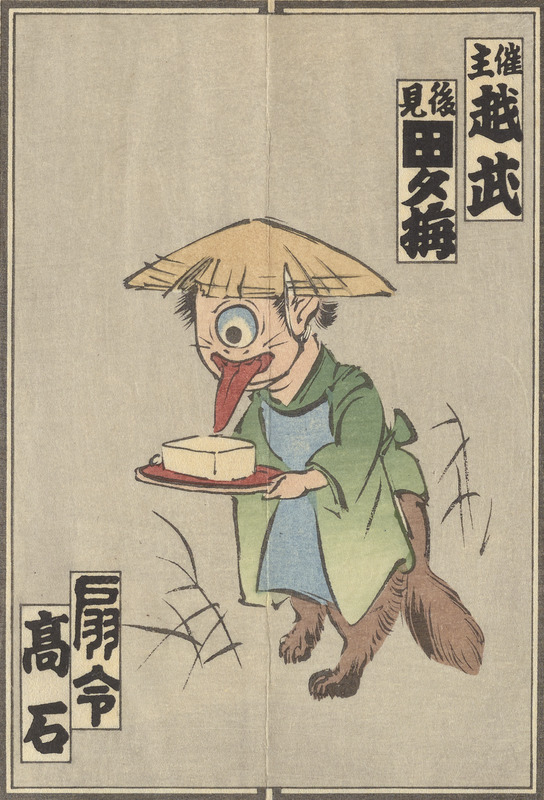
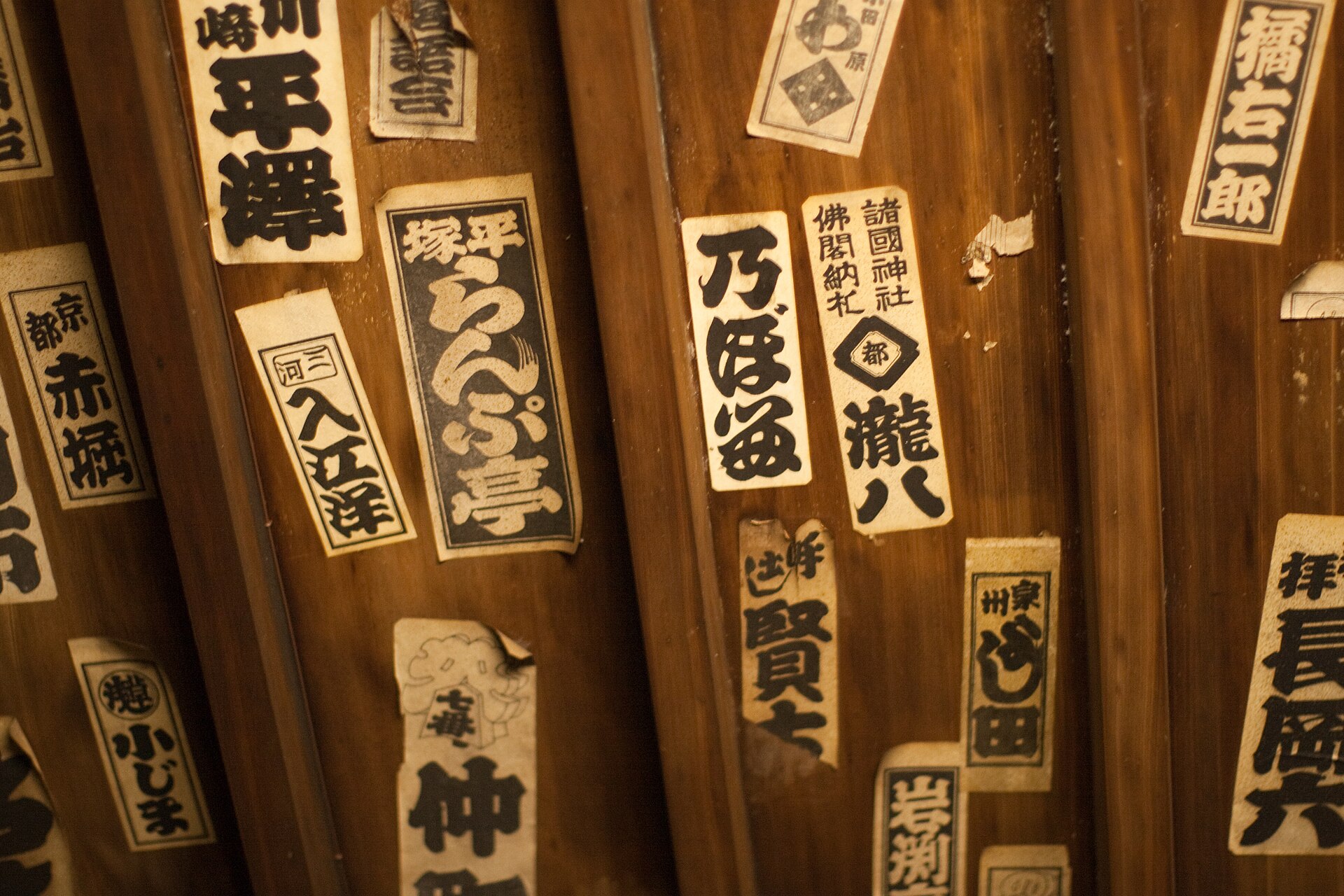
The word Senjafuda (千社札) literally translates to “thousand shrine tags.” Originated as early as the Edo period (with roots stretching back even further), the pilgrims embarking on a senja mo-de (千社詣で), a grueling pilgrimage to visit 1,000 different temples and shrines around Japan. They would carry a wooden box filled with paper slips and rice paste. At each stop, they used a long bamboo poles to paste their custom-printed tags on the wooden gates and pillars inside the Shinto shrines and Buddhist temples. The tag featured the traveler’s name written in blocky Edo-moji calligraphy (江戸文字). It acted as a spiritual footprint, serving as a constant prayer for protection, luck, and a way to say, “I was here.” Eventually, this practice evolved into a competitive aesthetic subculture. Hobbyists began trading beautifully designed blocks, transforming spiritual tags into the world’s earliest collectible sticker community. |
| ◉ Hana-meishi: The Flower Business Cards in Gion Kyoto |
|---|
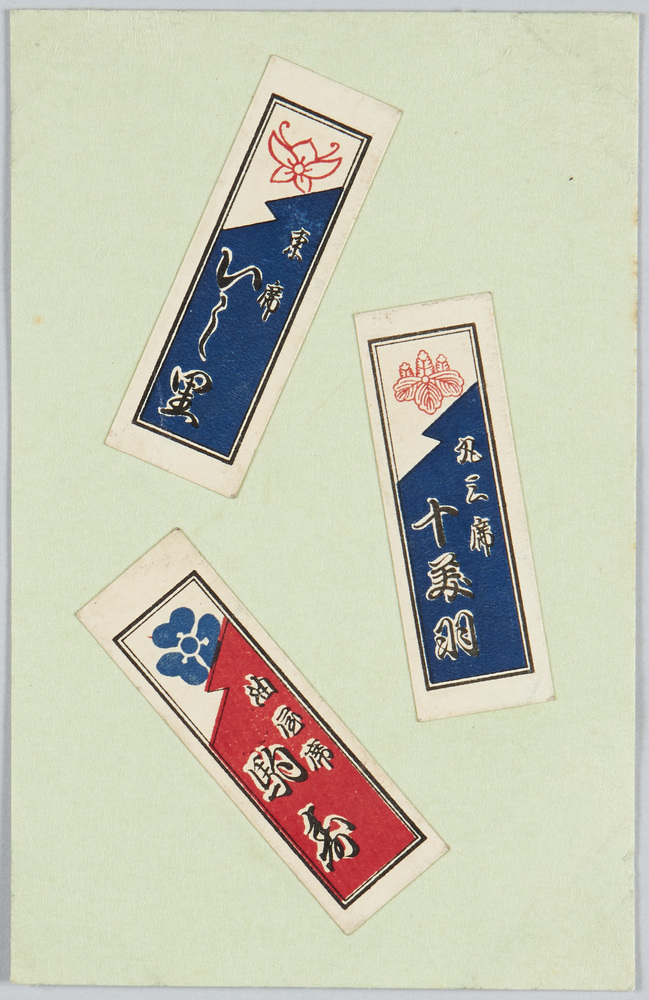
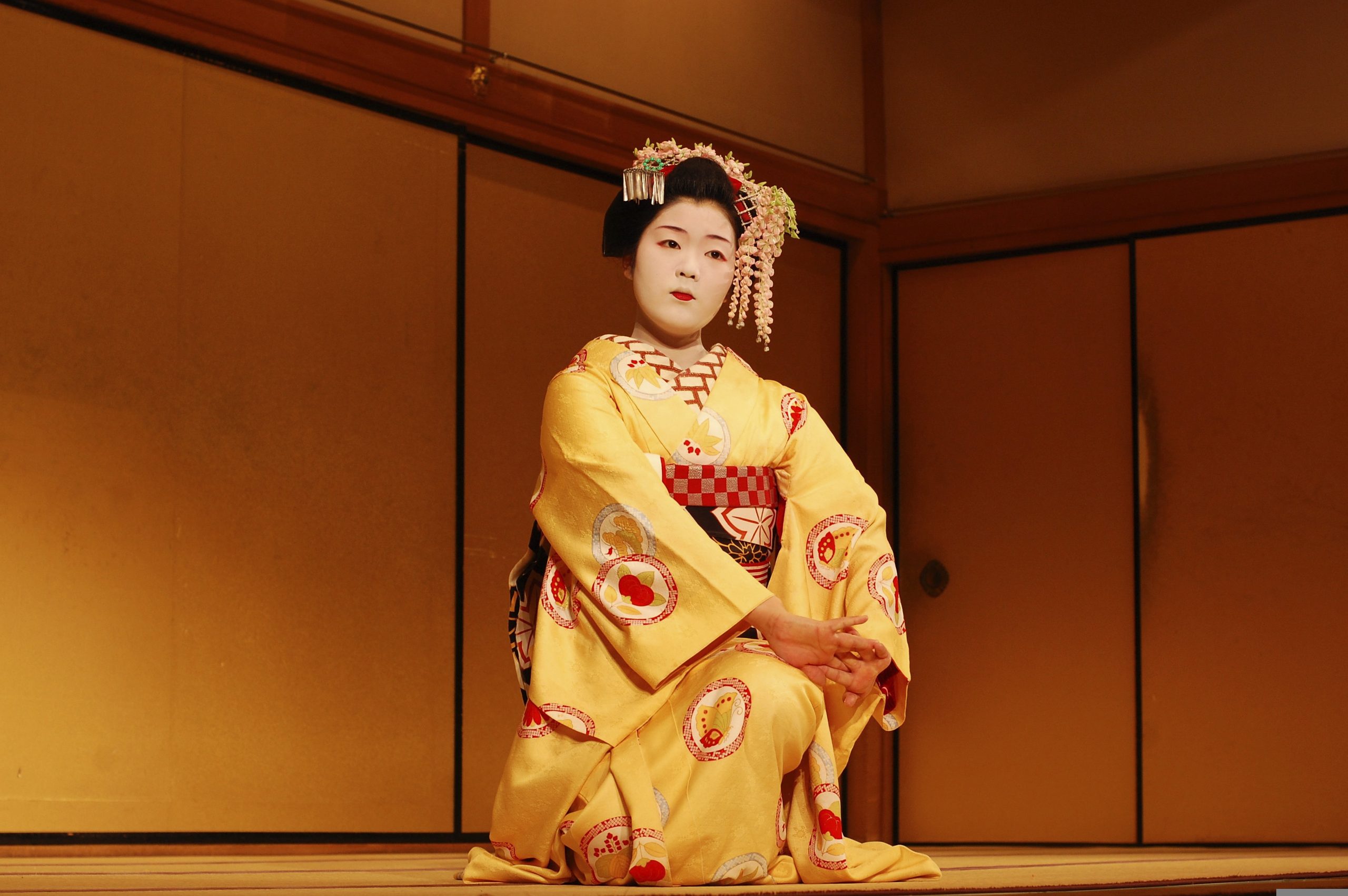
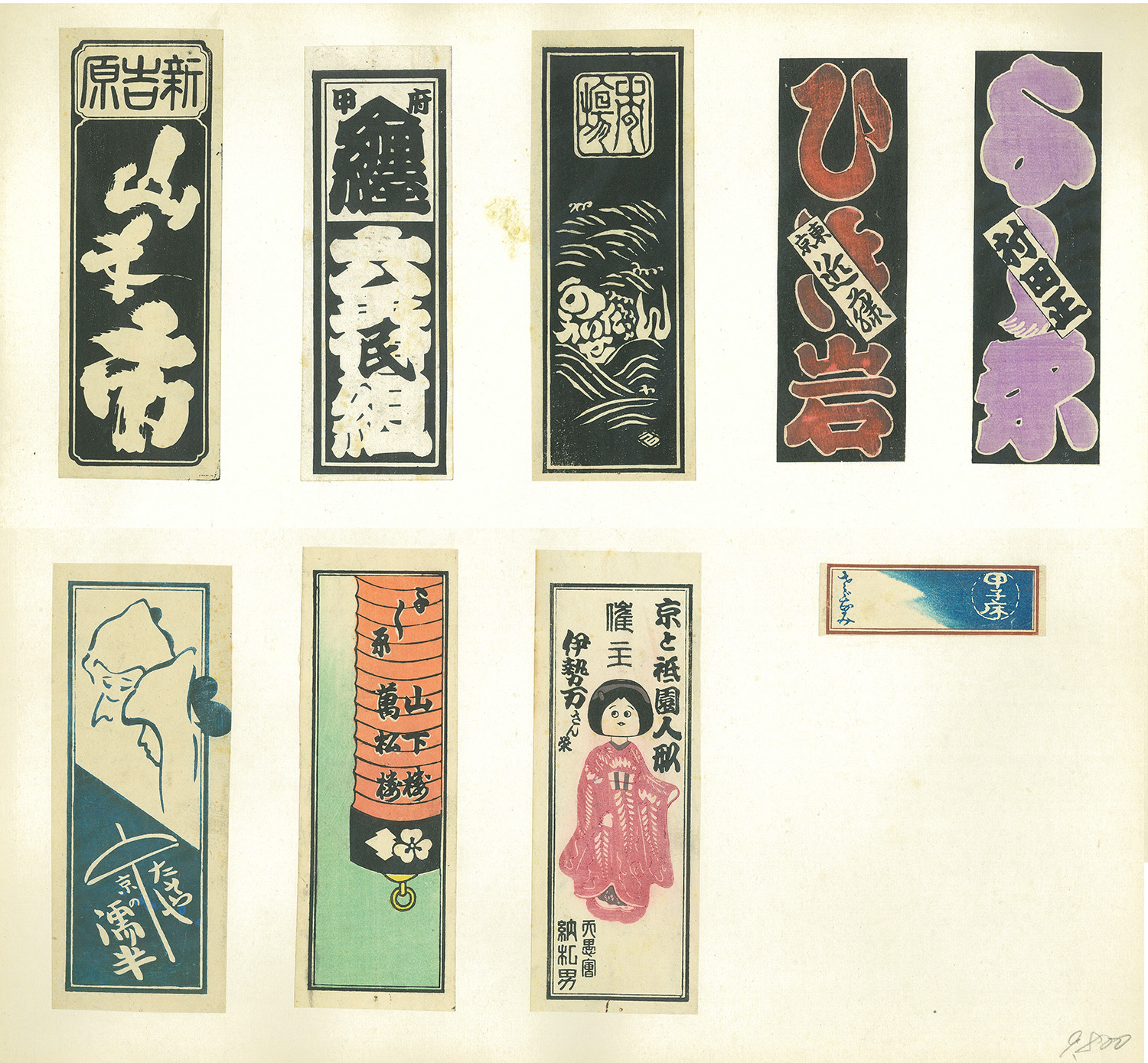
| As the tradition spread, it found a second home in the floating world (花街|Kagai) of Japan’s entertainment districts, most notably among the Maiko (apprentice Geisha) and Geiko (Geisha) in Kyoto. Because Maiko and Geiko operate under artist’s stage names (geimei) rather than their real family names, standard corporate business cards simply wouldn’t do. Instead, they adopted a vibrant variation of the shrine tag known as Hana-meishi (花名刺), or “flower business cards.” These small, elongated stickers are packed with artistic meaning: ❀ Seasonal Visuals: They feature delicate illustrations like cherry blossoms in Spring, willows in summer, maple leaves in autumn, or camellias in winter, carefully matching the exact season or the individual’s personality. ❀ The Calligraphy: The artist’s name is rendered in an elegant script rather than the heavy block text used on shrines. ❀ The Luck Factor: In Japanese culture, receiving a Hana-meishi from a Maiko or Geiko is considered incredibly lucky and so exclusive. Tradition dictates that if you keep one of these vibrant name stickers tucked safely inside your wallet, it acts as an amulet to attract wealth and good fortune. |
| Centuries ago, Japanese artisans produced the paper slips using the exact same multi-layered woodblock printing processes that gave birth to iconic ukiyo-e art prints. Master carvers and printers would meticulously transferring intricate ink designs layer by layer. Today, while a dedicated circle of traditionalists still prints on premium washi paper, the core spirit of this subculture remains completely identical to modern sticker bombing. At its heart, the practice has always been about making your mark. It is the human desire to claim a space, leave a beautiful trace, and share original artworks within their community. Whether slapped onto a concrete pillar in Tokyo, a vending machine in Osaka or pasted onto a wooden shrine centuries ago, stickers have always been far more than mere adhesive paper. They function as miniature canvases carrying deeply personal stories, tokens of spiritual protection, and expressions of individual style. They prove that no matter how much technology evolves, our urge to connect through street-level art never changes. |
Chapter 3: Underground Society
| ◉ Kokan Nosatsu: Edo-Period Trading Slips That Defied Government Bans |
|---|
| The vibrant senjafuda you see today have deep roots in Japan’s history, evolving from religious devotion into a forbidden subculture of art and trading. During the early Edo period, a massive boom in shrine pilgrimages gave rise to senja-mairi (千社参り), literally meaning “a thousand shrine visits for good luck.” To mark their visits, pilgrims would paste simple slips of paper called “Saimei nosatsu” on the shrine and temple gates. Over time, this practice evolved into a highly stylized art form known as Kokan nosatsu. Unlike their simple predecessors, these slips became incredibly colorful collections, featuring rich patterns, intricate designs, and striking typography. They transformed from religious tokens into Edo-style slips and novelty trading cards. |
| Art as Rebellion |
|---|
| Along with the most luxury goods, Japanese government in Edo period heavily regulated senjafuda. Under strict sumptuary laws, the number of colors allowed on a person’s senjafuda was restricted based on their social class, But collectors refused to let class systems dictate their art. To bypass restrictions and appreciate unrestricted creativity, aficionados began gathering secretly to exchange their cards. Began meeting clandestinely inside private homes, and then secretly moved to public spaces like restaurants and tea houses as the underground community grew rapidly. The oldest surviving invitation to one of these card exchange meetings dates all the way back to 1799. Even when the government officially enforced laws banning the trading of senjafuda, the meetings never stopped. |

The Modern Exchange |
|---|
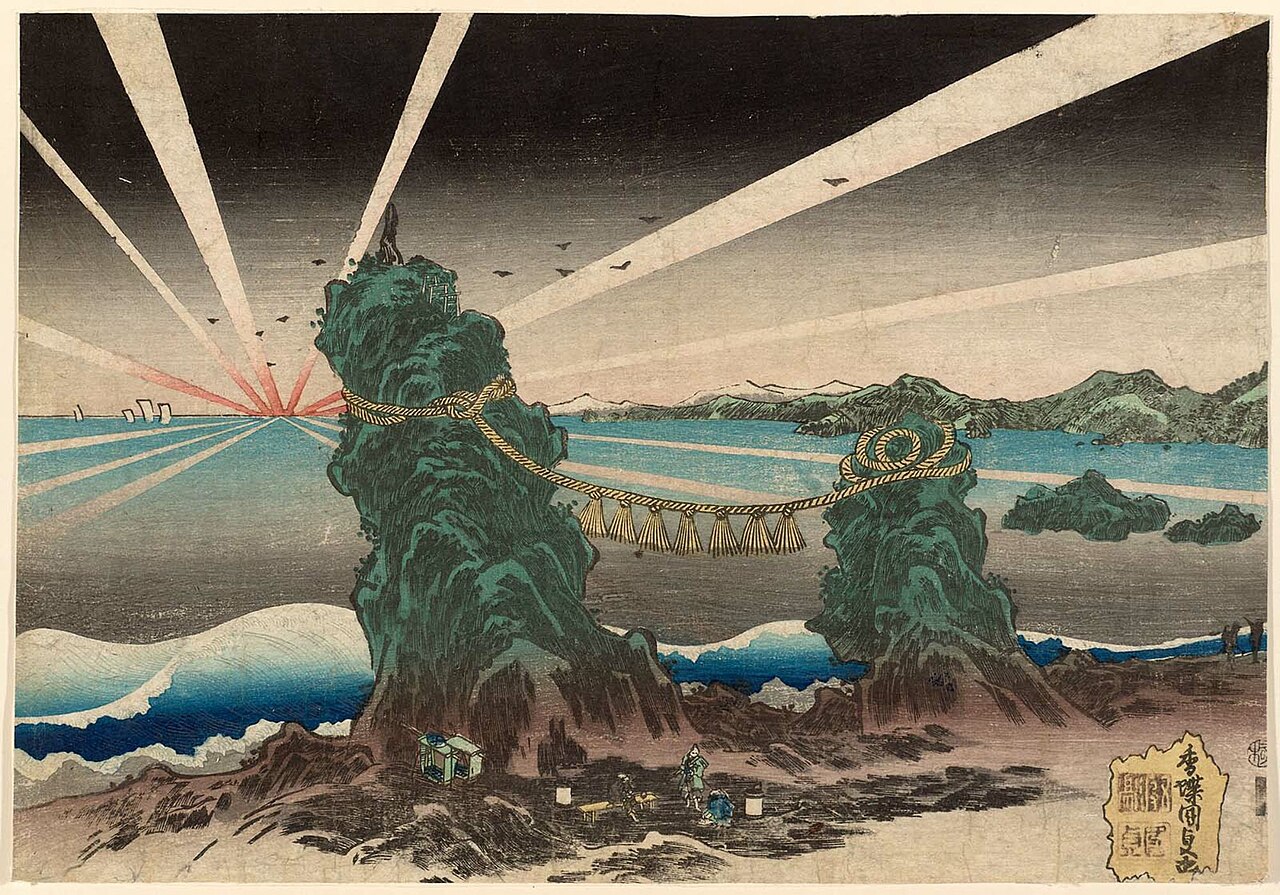
| The spirit of underground art scene in Edo period lives on today. Senjafuda meetings continue to take place across Japan, where a passionate community of collectors and contemporary artists gather to trade custom designs, preserve traditional woodblock aesthetics, and admire sticker-like slips and cards. The bans were widely subverted and largely ineffective. Many wealthy merchants constantly found creative loopholes to enjoy their art. The demand for unique senjafuda was so high that many famous ukiyo-e artists like Hiroshige Utagawa, Kunisada, and Kuniyoshi continued to design their signature cards secretly or under creative guises. Senjafuda culture is viewed by government as an unnecessary extravagance and a threat to public order, but the passion of Edo’s townspeople ensured that the tradition survived completely intact well into the modern era. |
| Sticker Community in Japan Today |
|---|
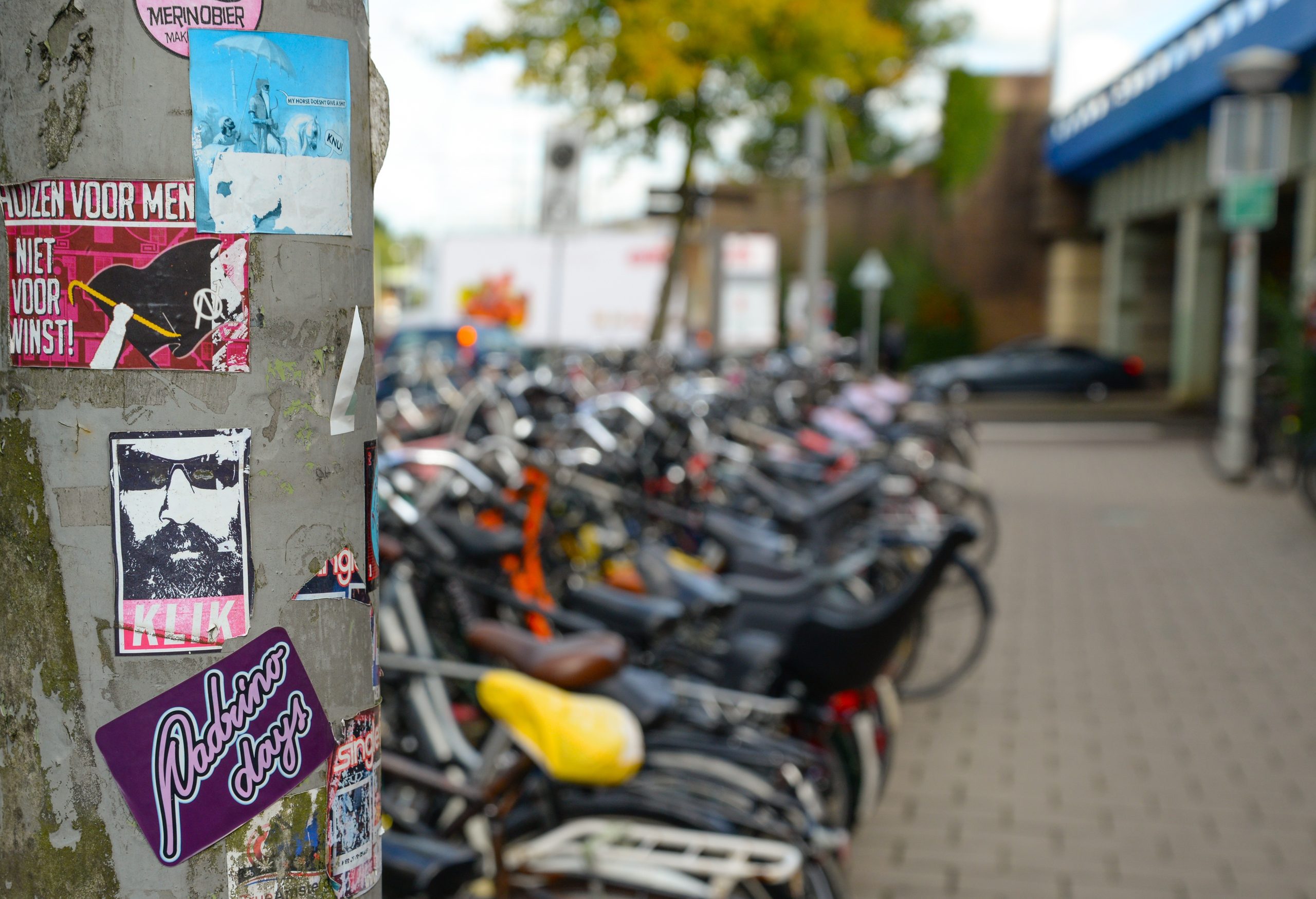
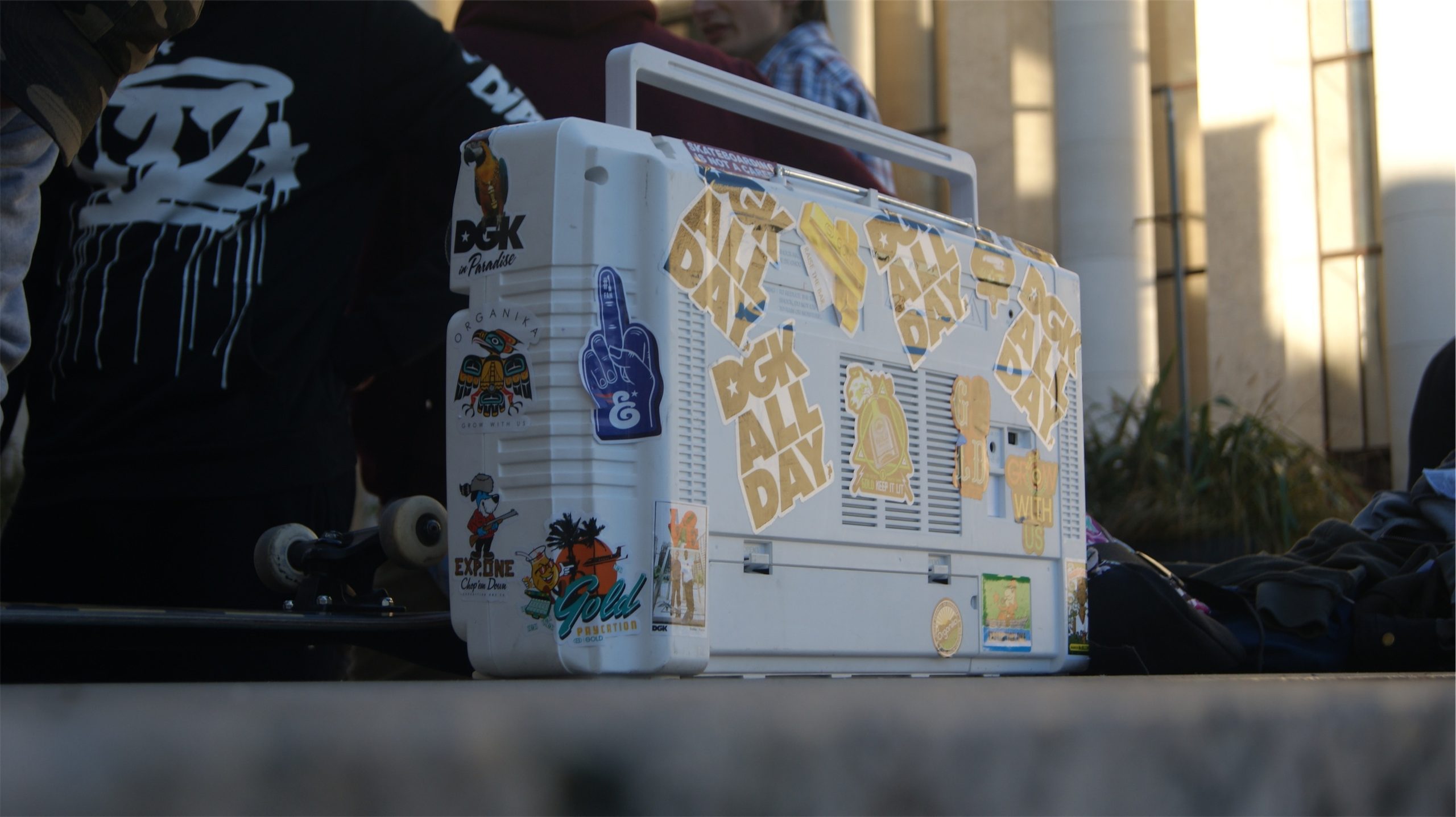
| Fast forward to today, this heritage completely dominates the modern Japanese landscape. Walk through urban neighborhoods like Shibuya and Harajuku in Tokyo, or America-mura in Osaka, you will see that Japan’s modern street signs, concrete poles, and storefronts are vibrant canvas layers covered in custom vinyl graphics. Just like the Edo period Senjafuda clubs, today’s Japanese street artists, skateboarders, and street fashion brands form their society through the exclusive gathering or their own communities. They exchange “slap stickers” to show respect, collaborate, and leave their mark on the city. Walk down any Tokyo alleyways and look at the indie clothing boutiques, record stores, and tiny tachinomi (standing bars). Their entrances are covered in branded street shop labels and stickers from neighboring businesses. It’s a modern manifestation of the Maiko sticker tradition, showing mutual support and building an interconnected merchant community. Look closely at each Japanese street art stickers nowadays, you will see the exact same layout principles as ancient Senjafuda – bold vertical typography, clean borders, and instantly recognizable personal branding designed to survive the elements of the street. |
| From Woodblocks to Vinyl: The Sticker Soul Lives On |
|---|
| What makes this evolution so special to us at stickart.jp is that it proves one thing, the human desire to connect through visual art remains unchanged. Whether it is a 200-year-old woodblock slips pasted on a Kyoto temple beam, a business namecard, a custom-designed street shop label on paper lanterns, or a 100% waterproof vinyl slapped on the walls in Osaka, stickers have always been about identity, connection, and community. Stickers and cards are born to break boundaries and bring people together. If you are looking to build your own brand, grow your shop’s community, or create a unique identity with a touch of traditional Japanese street style, elevate your aesthetic with stickart.jp creations, crafted to showcase your signature style wherever you go. |
-
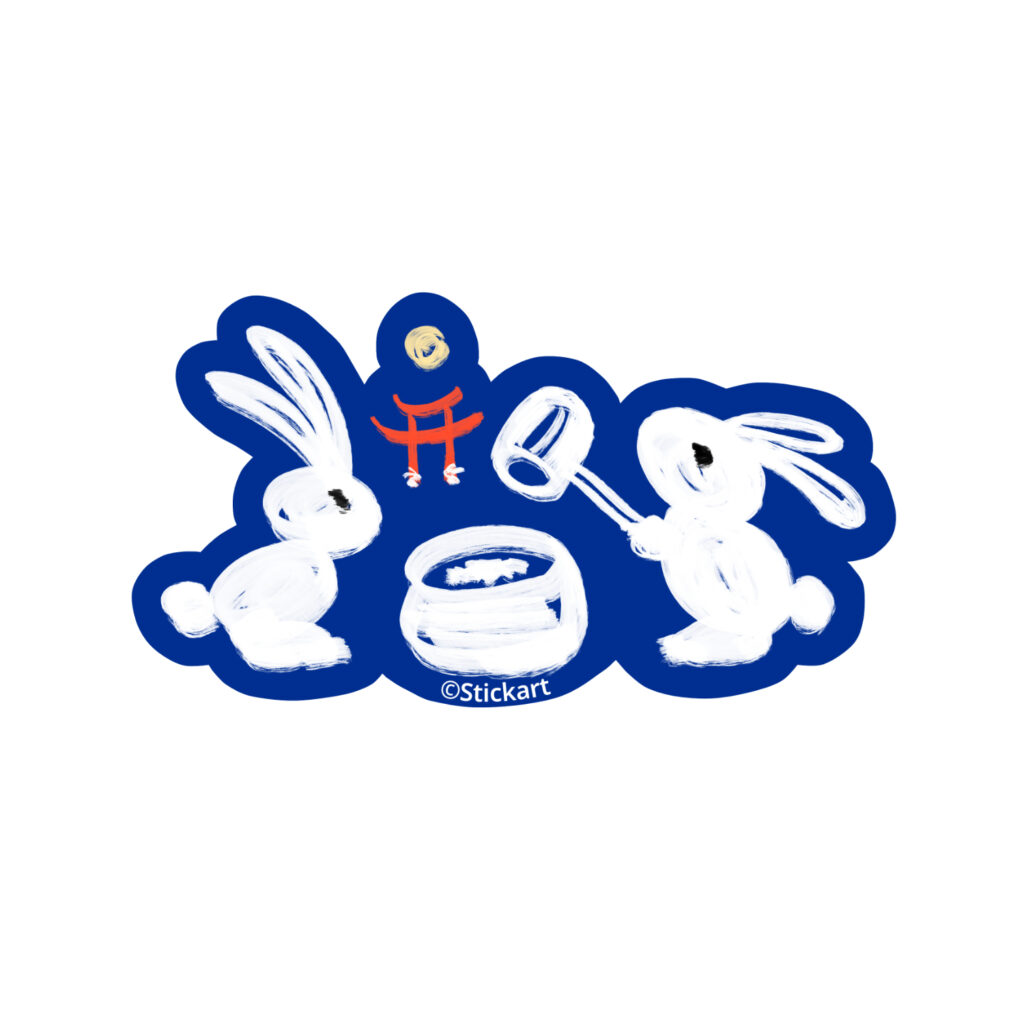
MochiTsuki (Blue)
¥550 稅込 -
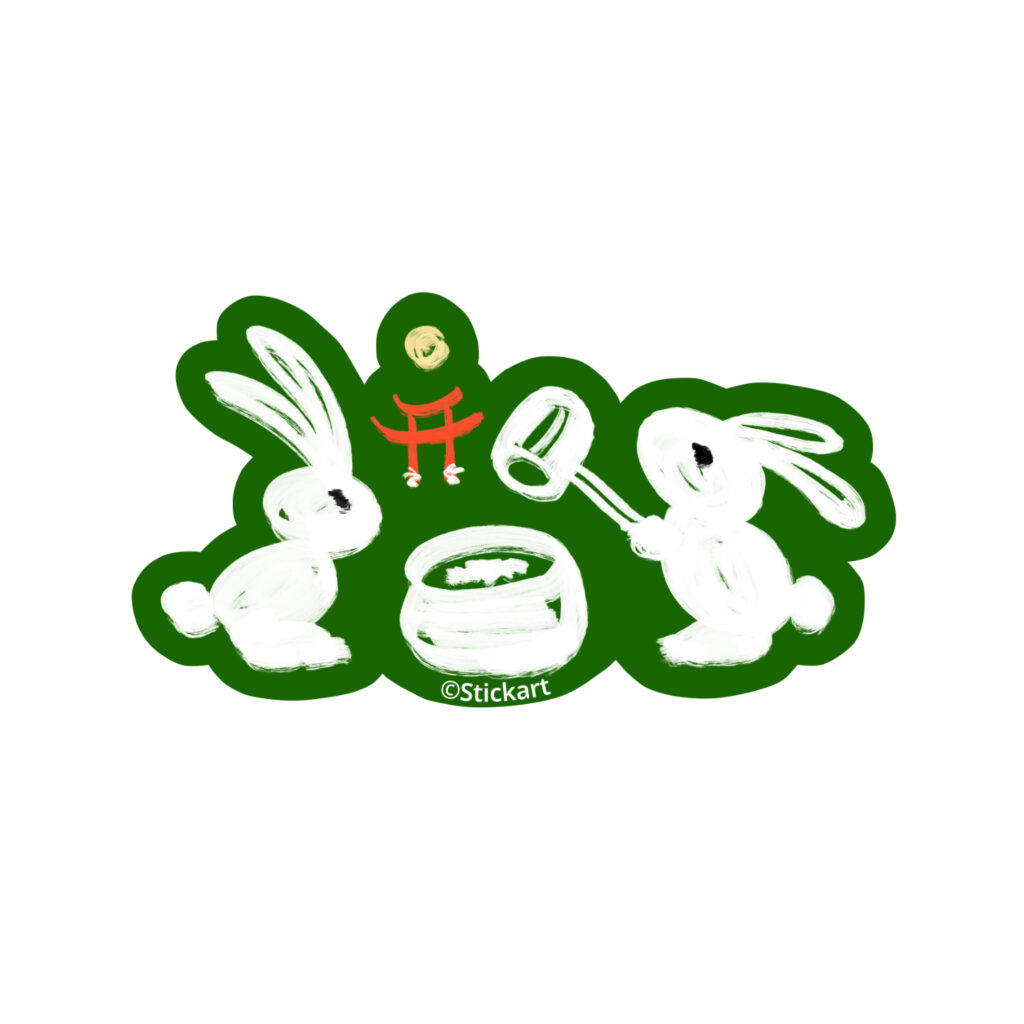
MochiTsuki (Green)
¥550 稅込 -
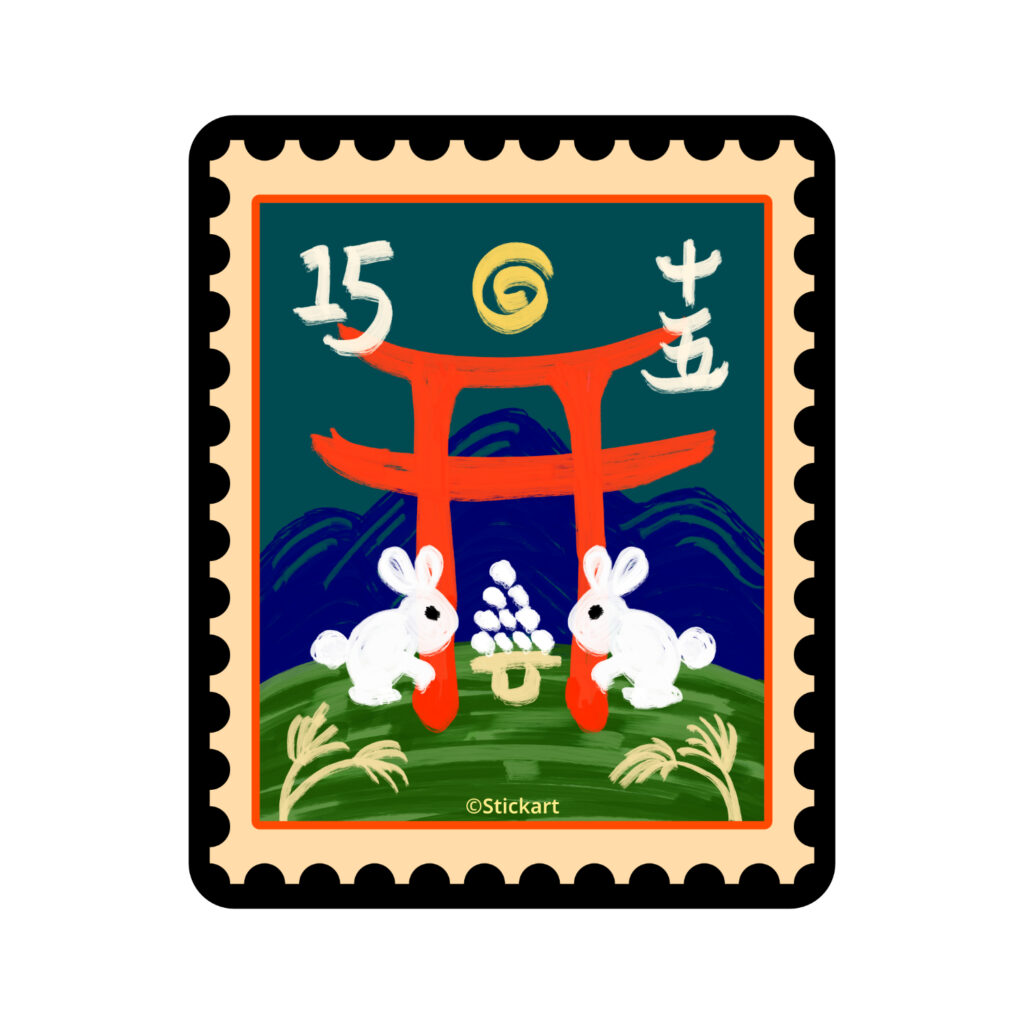
Moon Mail
¥550 稅込 -
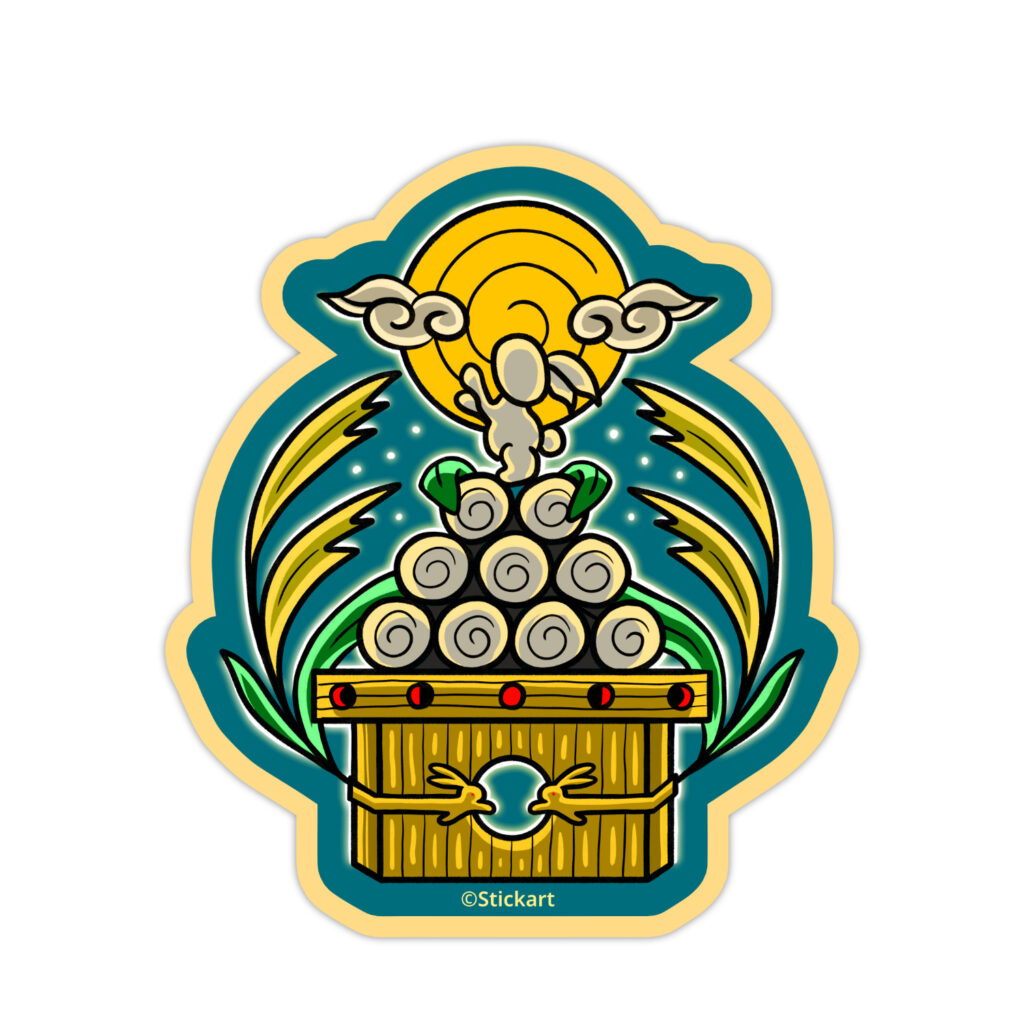
Moon Rabbit (Blue)
¥550 稅込 -
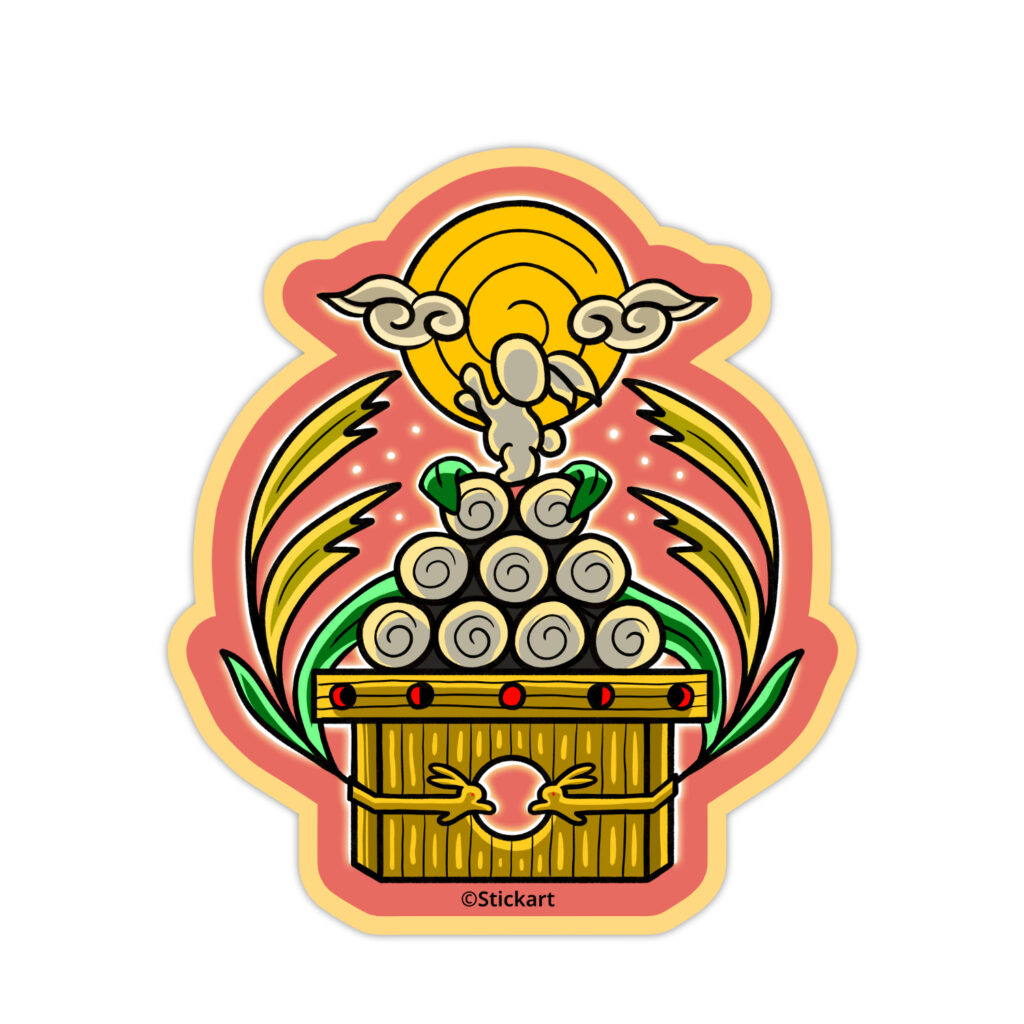
Moon Rabbit (Pink)
¥550 稅込 -
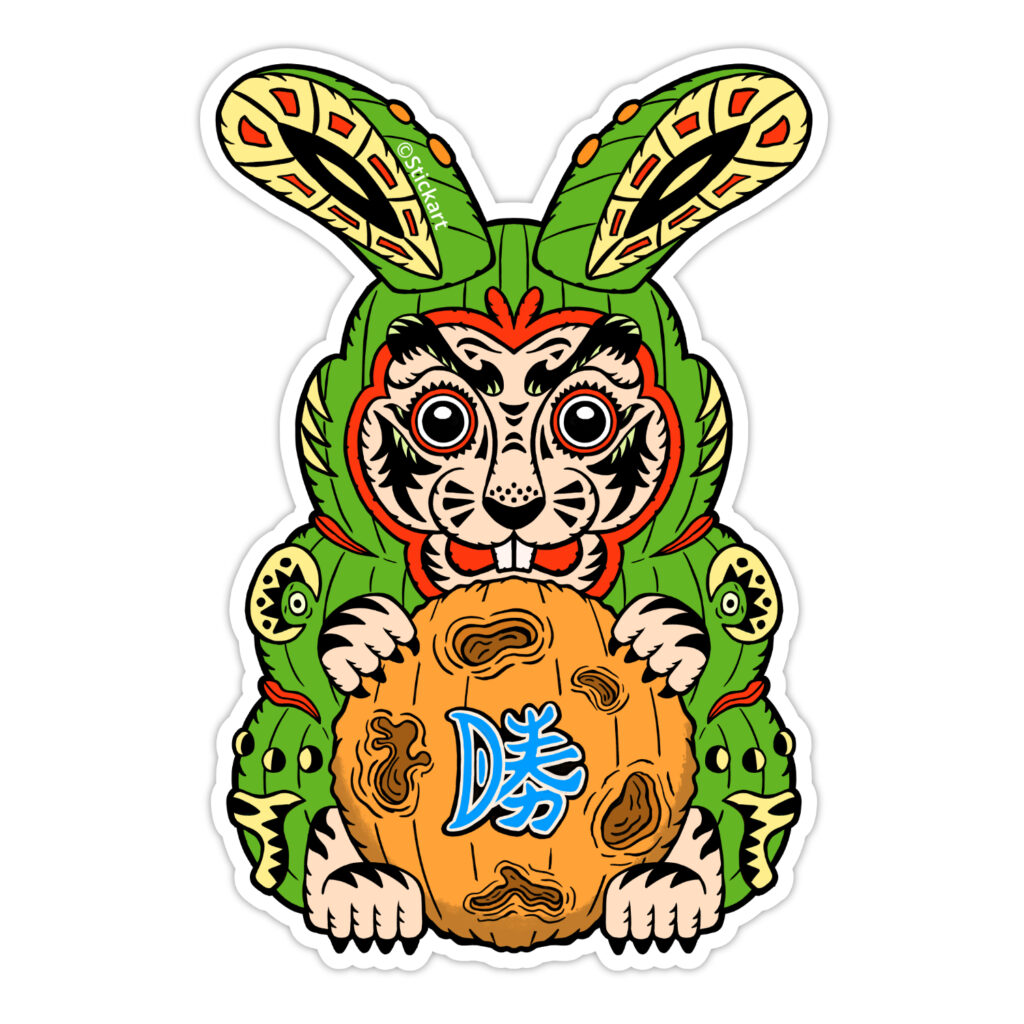
Victory Rabbit Daruma (Green)
¥550 稅込 -
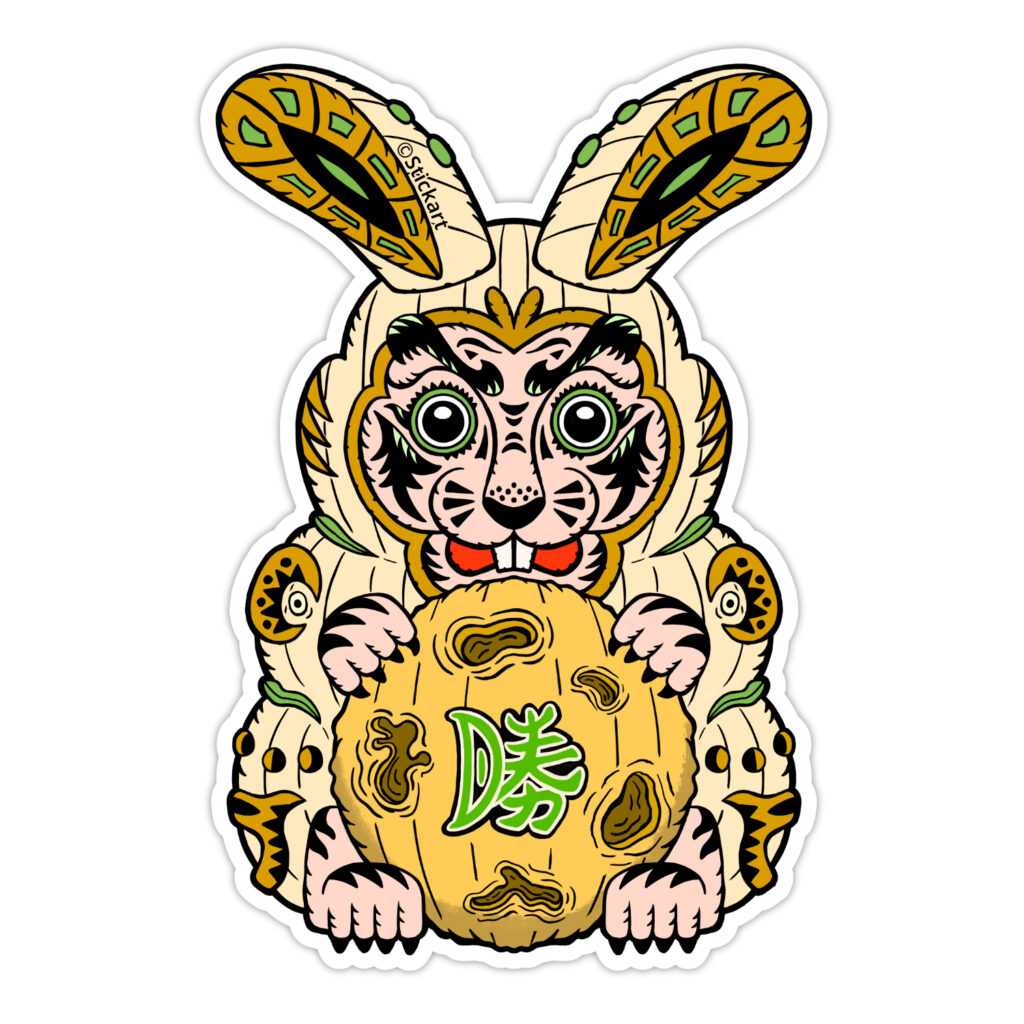
Victory Rabbit Daruma (Ivory)
¥550 稅込 -
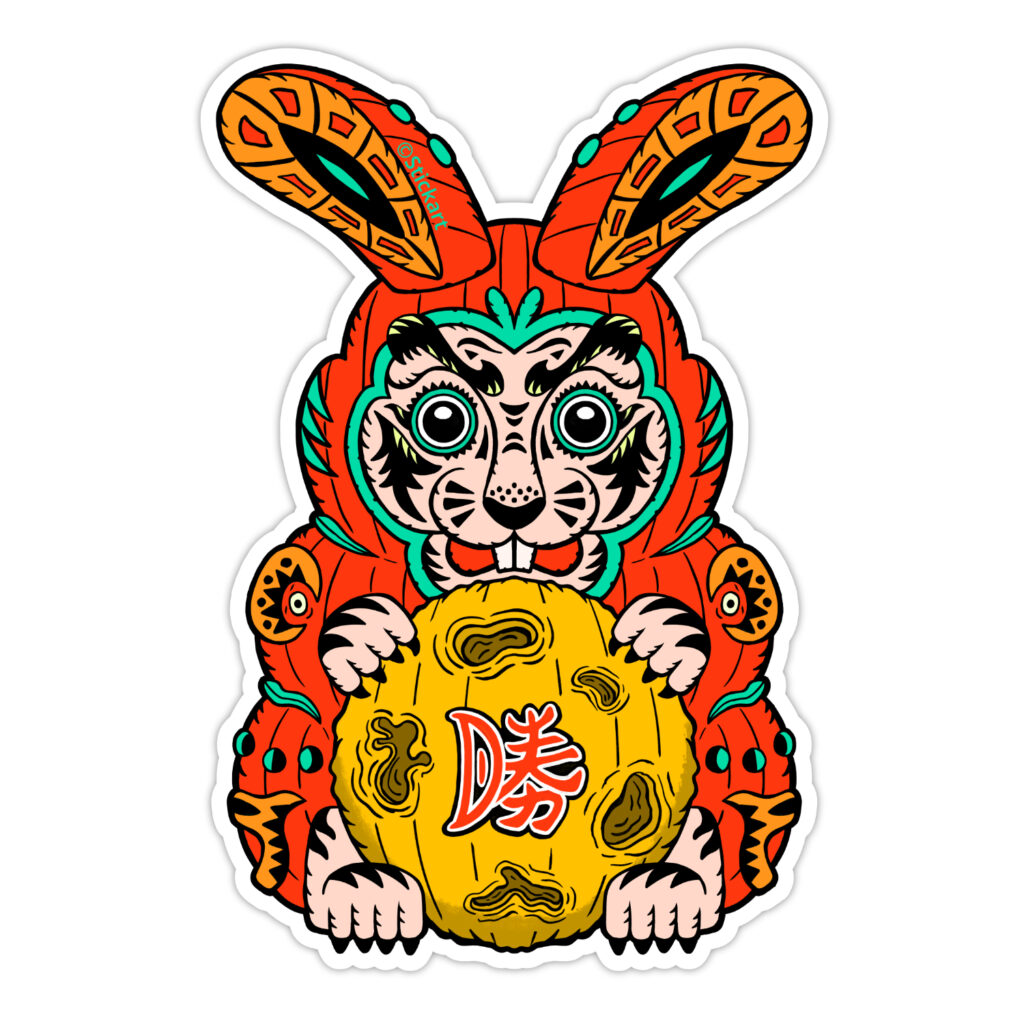
Victory Rabbit Daruma (Red)
¥550 稅込