
Art of the Season: Wagashi and Cafe Guide in Kansai
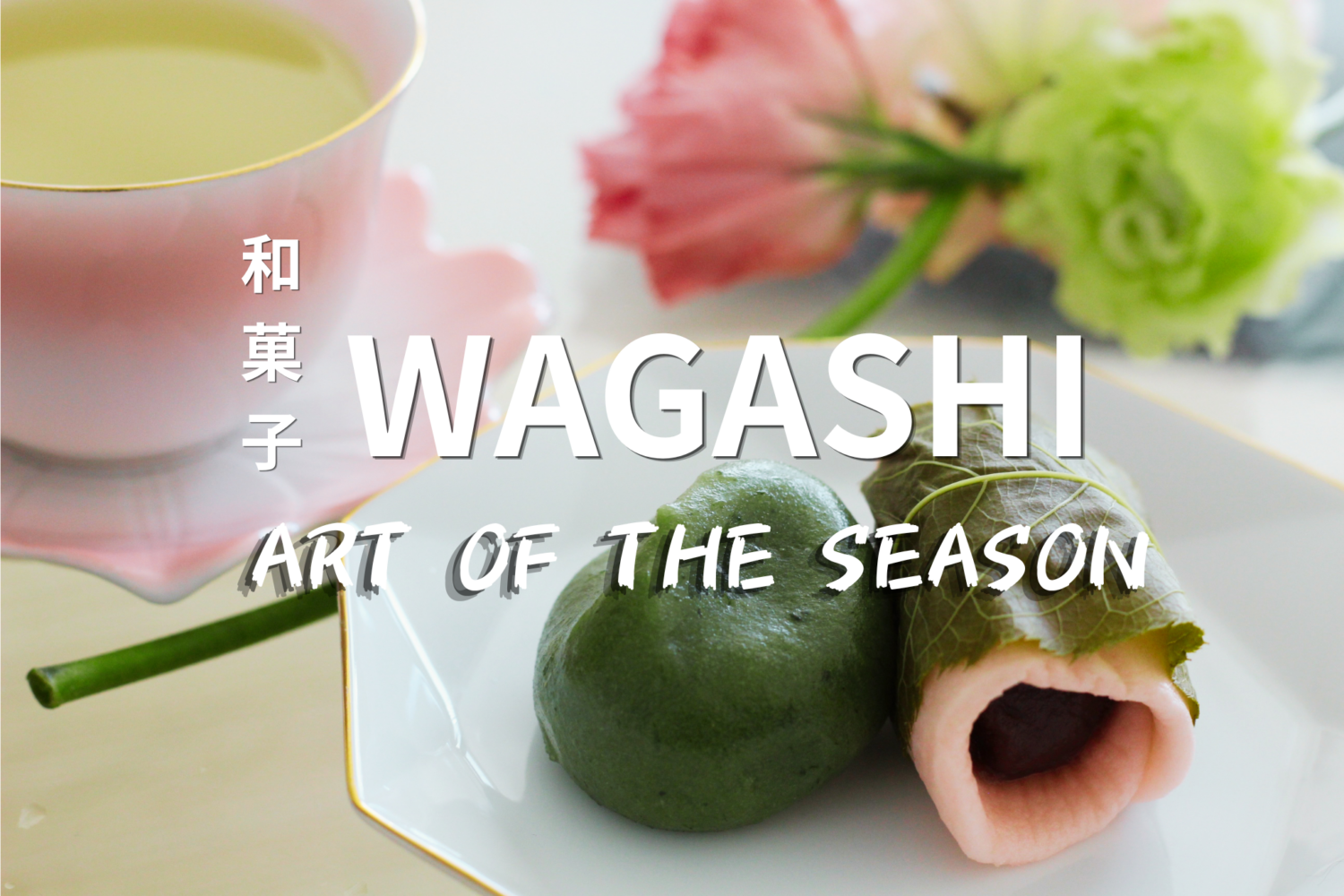
| Wagashi (Japanese traditional sweets) are more than just a treat for the palate, they are edible poetry. Crafted to reflect the changing seasons, poetry and natural landscapes of Japan, these confections satisfy all five senses through their textures, delicate flavors, artistic designs and poetic names. If you are traveling through the Kansai region, the cultural heartridge of Japan encompassing Kyoto, Osaka and Nara, indulging in a wagashi tea experience is an absolute essential. This guide dives deep into the history of these Japanese traditional sweets and provides an curated itinerary of the finest cafes where you can experience them today. |
| Part 1: Origin of Wagashi |
|---|
| ▣ How Zen Buddhism, Dim Sum and Maritime Trade Shaped the Japanese sweets While modern wagashi feels very Japanese, its origin was heavily influenced by foreign trade and religious exchange during the Kamakura and Muromachi eras (1185–1573). The Zen Buddhism Connection: From Chinese Dim Sum to Vegetarian Sweets During Kamakura period, the Zen Buddhist monks who returned from the ports in China introduced the concept of Tenshin (点心 – Dim Sum), which referred to small meals consumed between regular meals to sustain concentration during Buddhist meditation (Zazen). The Japanese adopted these “Dim sum” treats and gradually transformed them into new sweets such as Yōkan and Manjū |
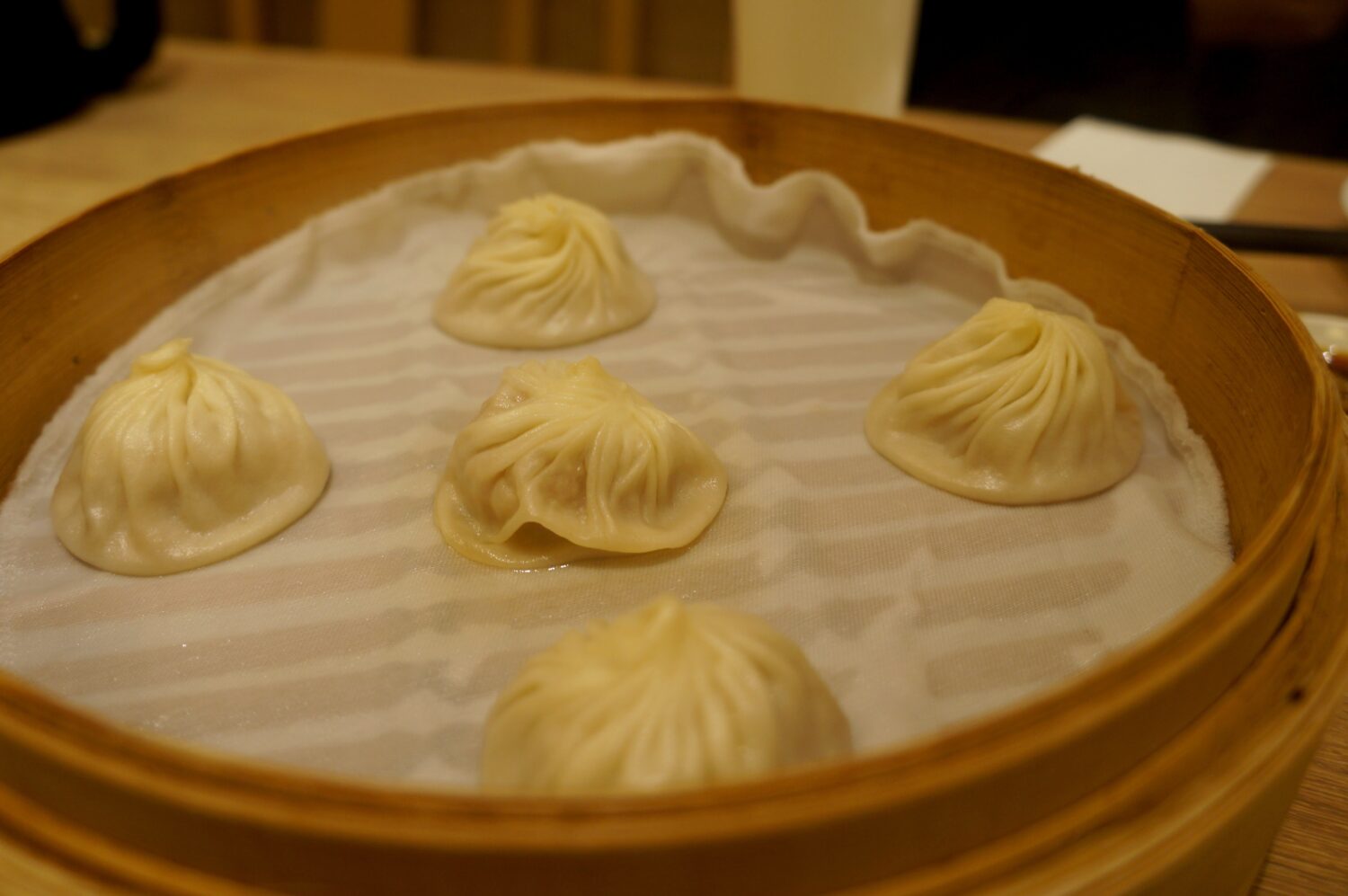
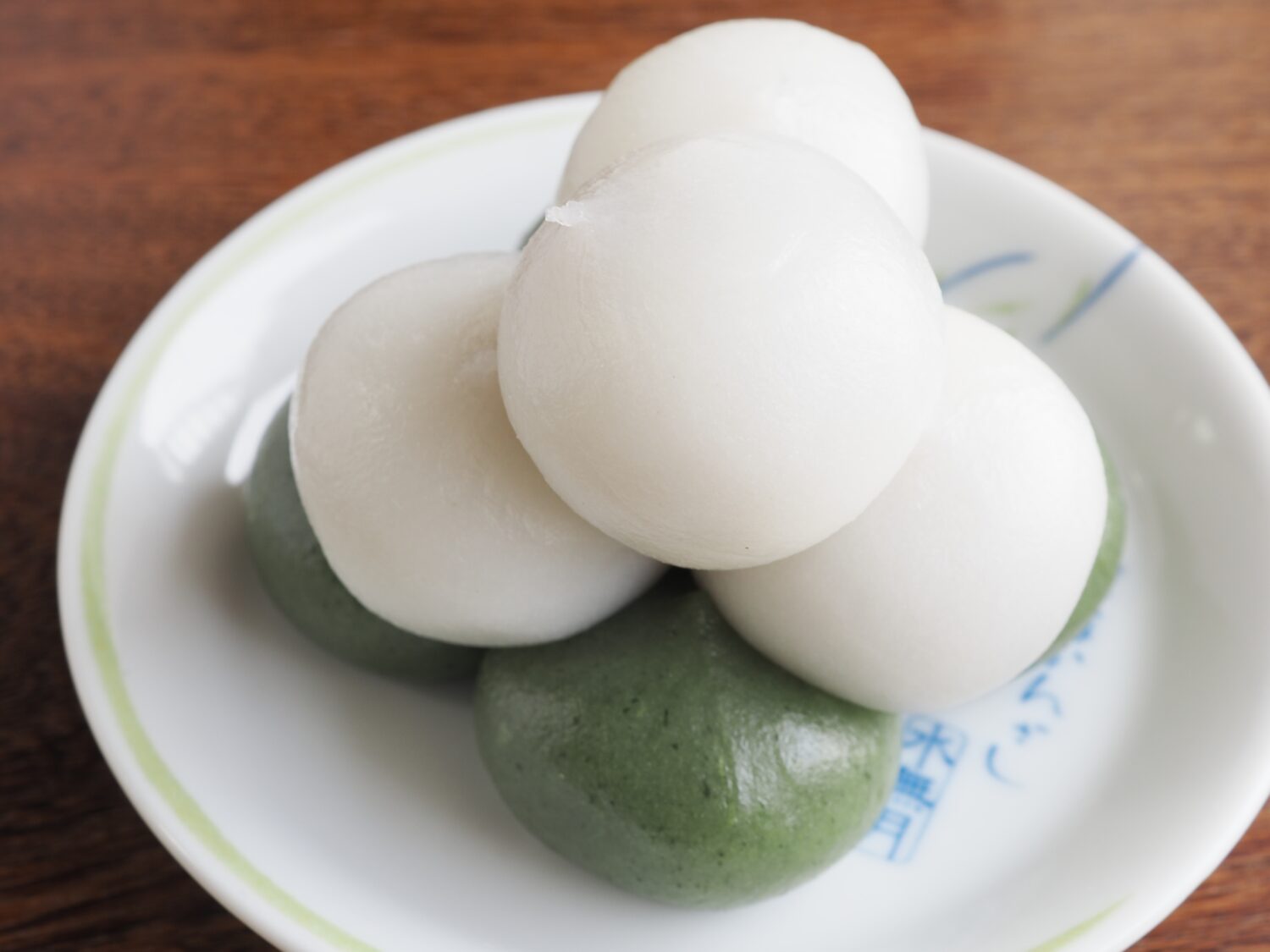
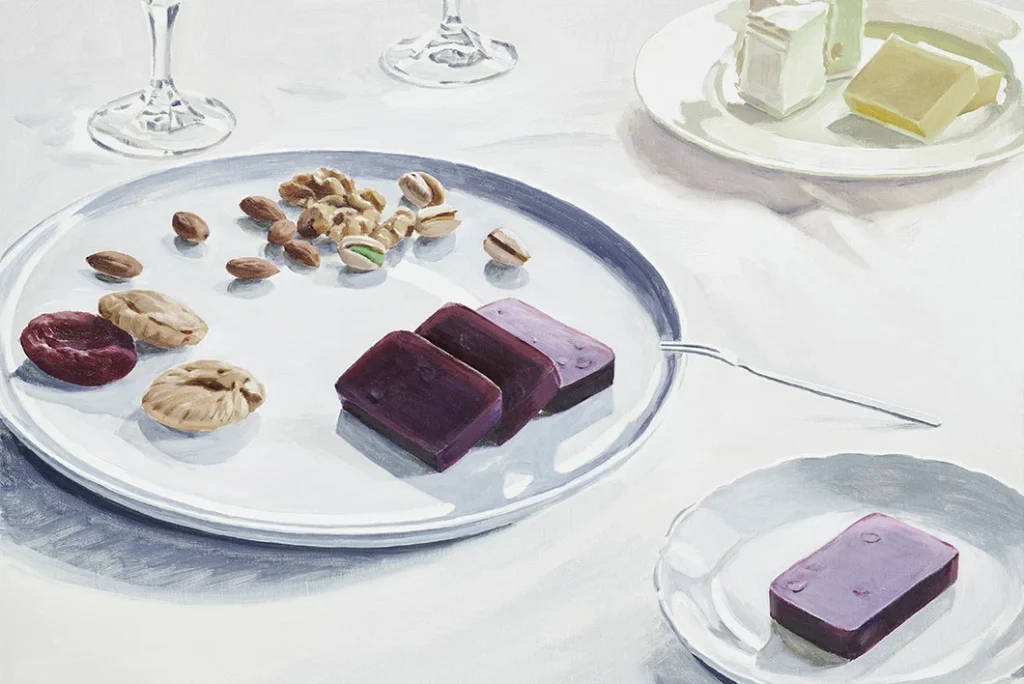
| ❏ Yōkan (羊羹): Originally, Chinese yōkan was a gelatinous soup made from boiled lamb mutton. Because Zen monks practiced strict vegetarianism, they substituted the meat with “azuki” red bean paste, wheat flour and kudzu starch to replicate the thick texture. This innovative adaptation birthed mushi-Yōkan (steamed jelly), the ancestor of today Japanese sweets Yōkan. ❏ Manjū (饅頭): The steamed Chinese buns filled with minced meat were similarly adapted by replacing the meat with sweet red bean paste (anko), paving the way for one of Japan’s most iconic desserts. |
| ▣ Pirates, Portuguese Merchants & Sugar Revolution |
|---|
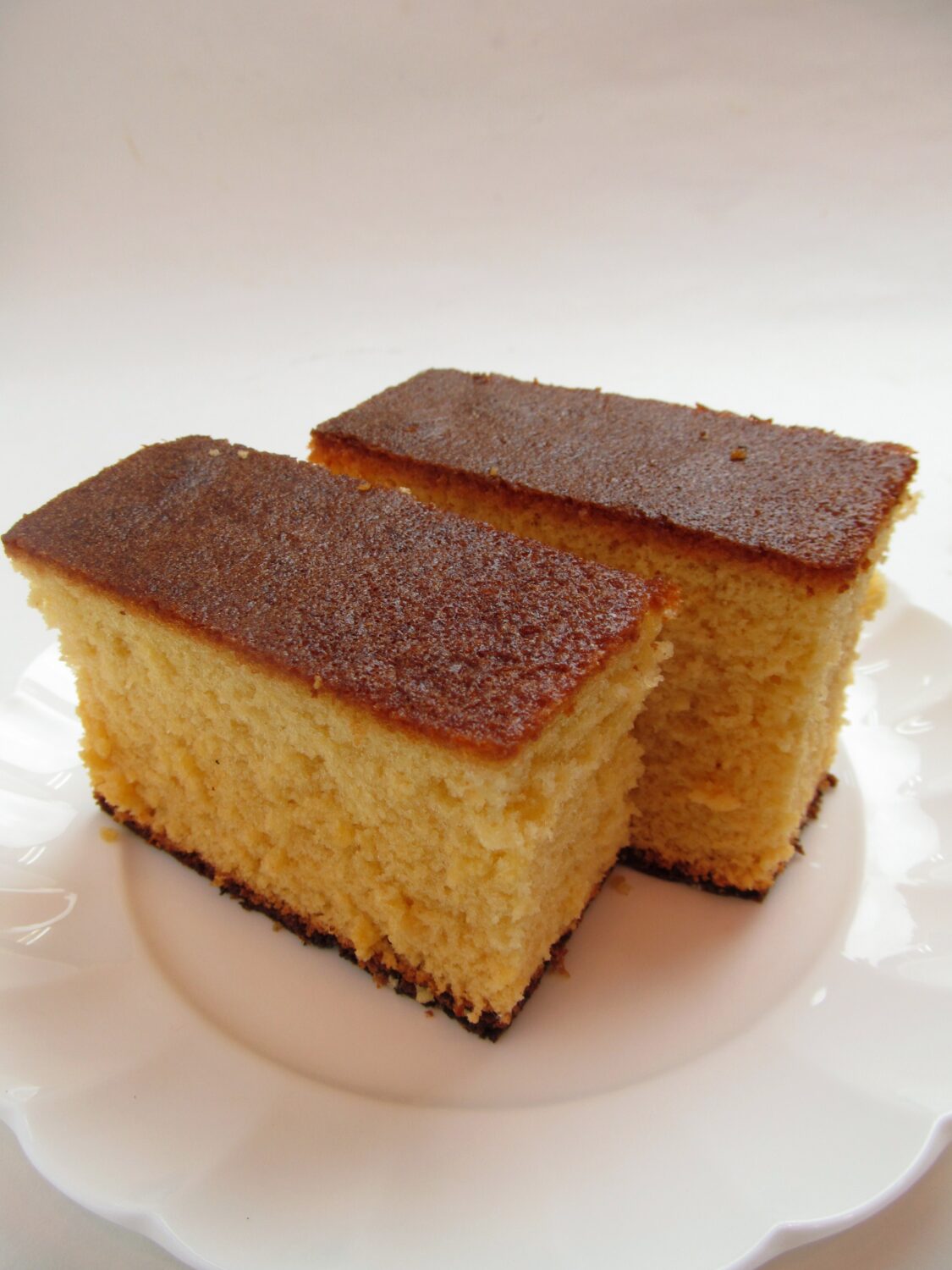
| By the Muromachi period, Japan’s domestic sweet culture underwent a massive transformation driven by dramatic increases in sugar imports. This trade was fueled by a complex web of maritime commerce involving regional lords, Wako (Japanese and Chinese coastal pirates) who dominated East Asian trade routes and eventually Portuguese merchants who intriduced the western recipes during staying in Dejima port in Nagasaki, southern Japan. The influx of refined sugar and European confections (Nanban gashi) like Castella sponge cake and Konpeito star candies) transformed sugar from an inaccessible medicine into a culinary ingredient for elite society. |
| ▣ The Rise of Tea Culture & Samurai Politics |
|---|
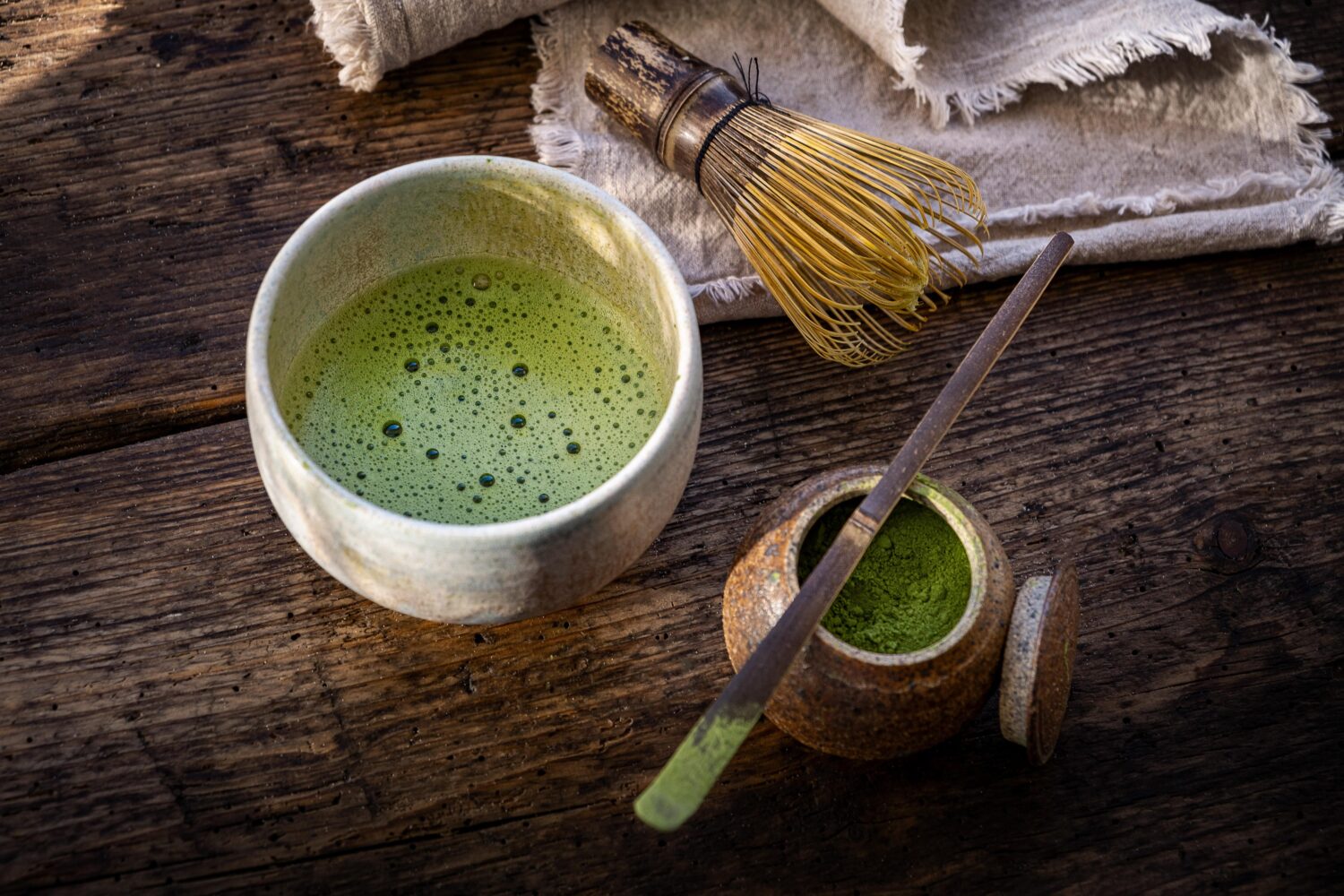
| As Chanoyu ( 茶の湯) or Japanese tea ceremony exploded its popularity among the samurai and aristocratic classes during Muromachi era, sweets became an indispensable part of the ceremony. Because the premium matcha greentea is deeply bitter, the sweet accompaniments called chanoko were required to balance its flavor. Many Japanese tea masters including Sen no Rikyu (1522 – 1591) later elevated these simple accompaniments into the artistic creations meant to match the spiritual philosophy of Wabi-cha (rustic simplicity). |
-

MochiTsuki (Blue)
¥550 稅込 -
MochiTsuki (Green)
¥550 稅込 -
Moon Mail
¥550 稅込 -
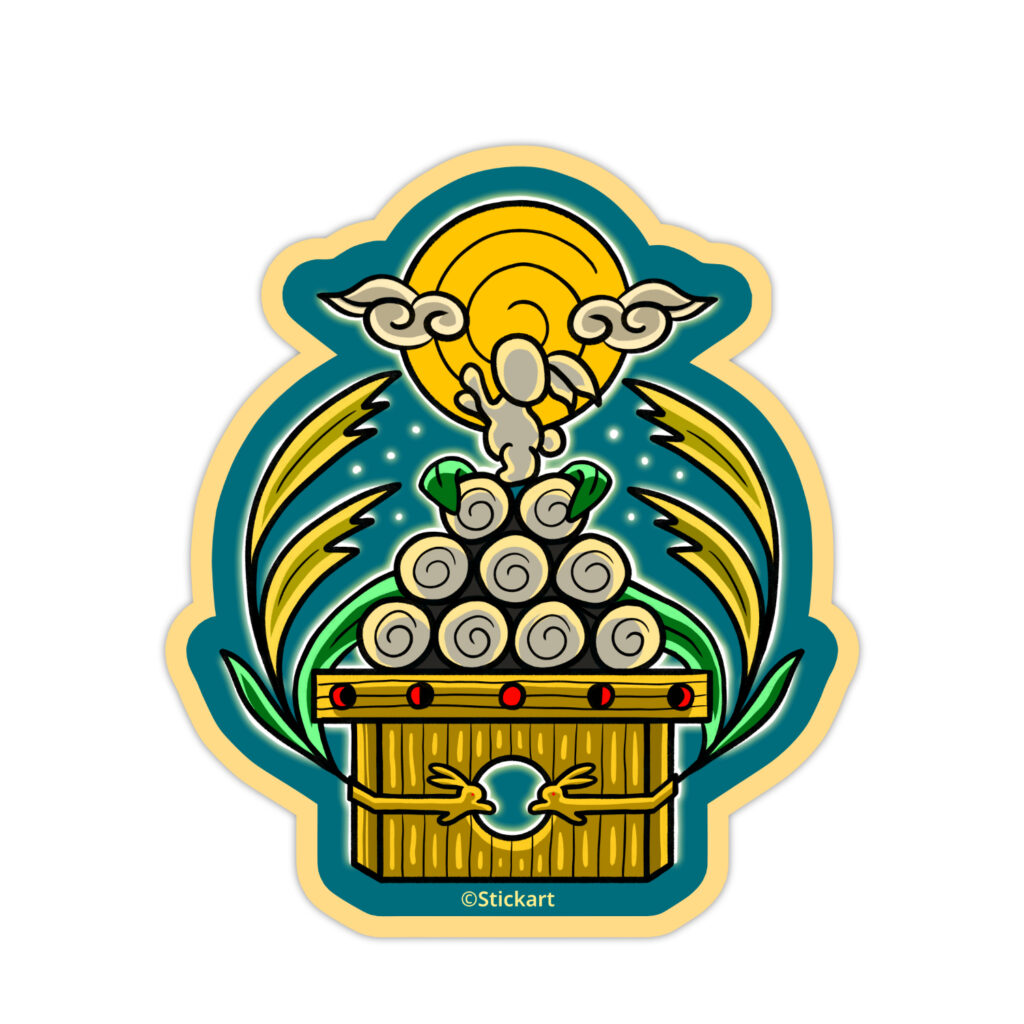
Moon Rabbit (Blue)
¥550 稅込 -
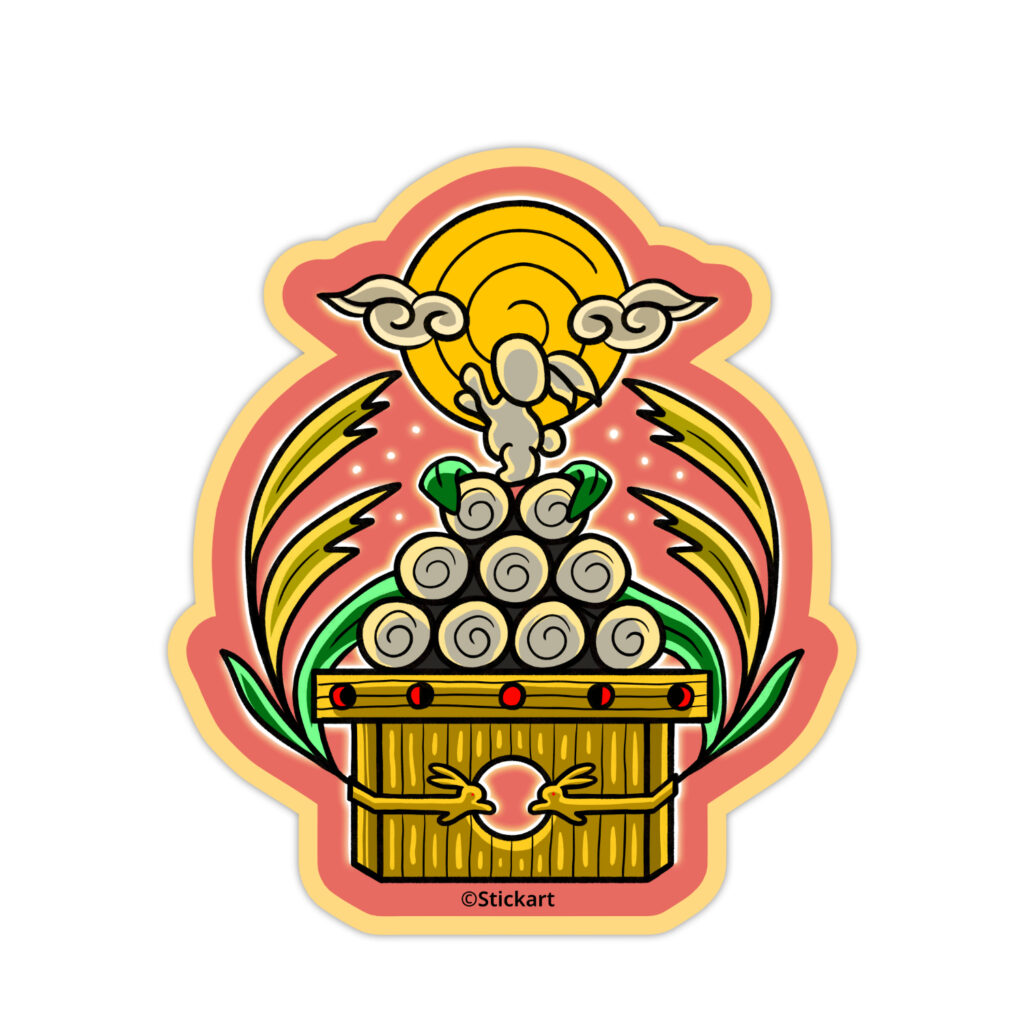
Moon Rabbit (Pink)
¥550 稅込 -

Victory Rabbit Daruma (Green)
¥550 稅込 -

Victory Rabbit Daruma (Ivory)
¥550 稅込 -
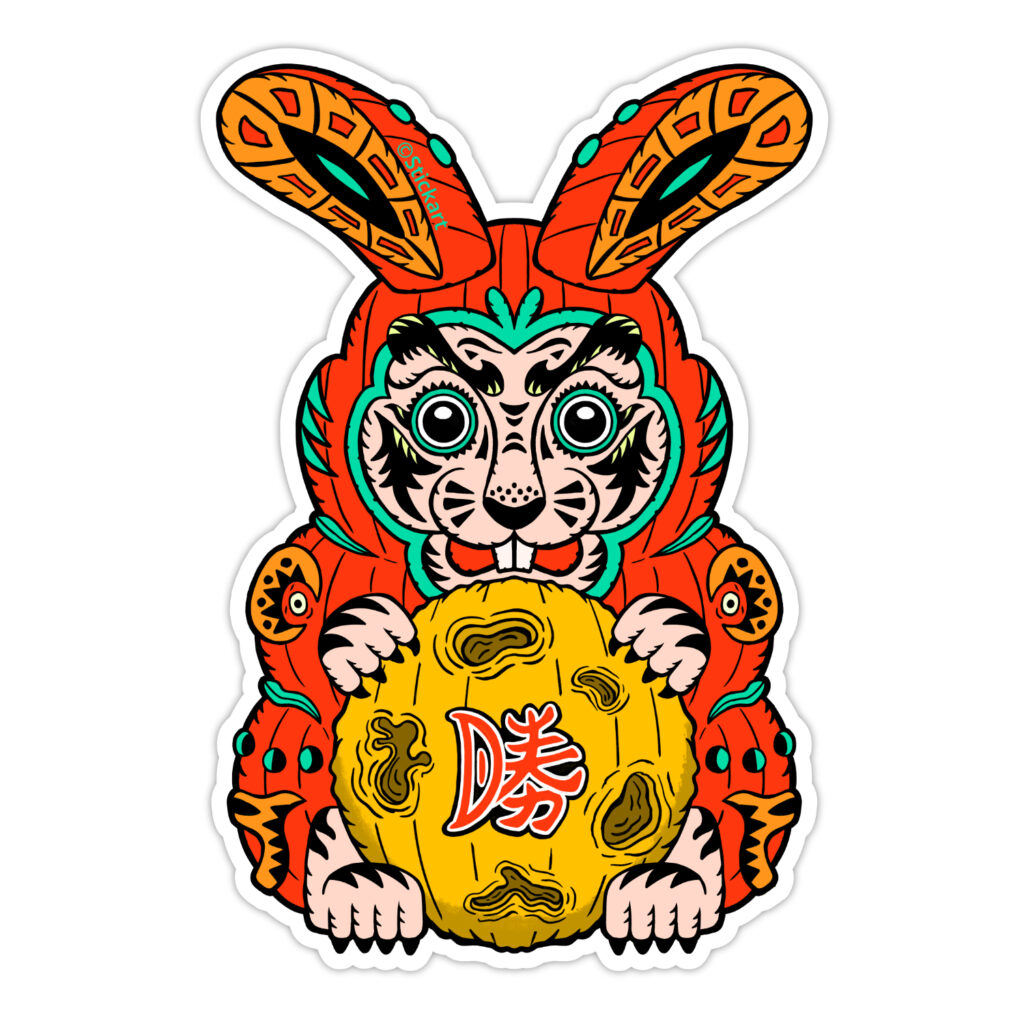
Victory Rabbit Daruma (Red)
¥550 稅込
タグ別商品
| Part 2: Understanding Wagashi – Artistry in Every Bite |
|---|
| Wagashi are broadly categorized by their moisture content which dictates their texture, production method and shelf life. Many Japanese traditional sweets that are popular noawaday, such as Nerikiri, mochi, Daifuku, Sanshoku dango, senbei and rakugan, mostly were established in Edo period. During Meiji period (1868–1912), Japan opened to Western culinary ideas, which transformed wagashi by combining local ingredients like sweet red bean paste (anko) with Western concepts like ice cream, parfaits and pancakes. Taiyaki, Anmitsu, parfaits and dorayaki (pancakes) were developed in this era. |
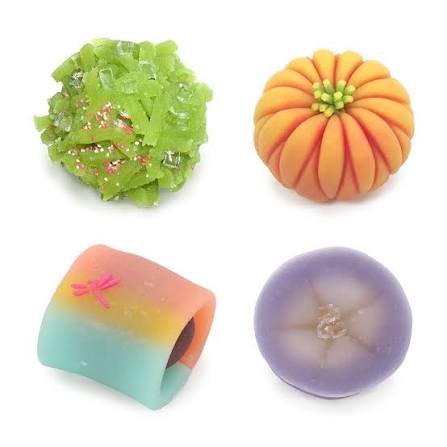
| 1. Namagashi | 生菓子 (Fresh Sweets) |
|---|
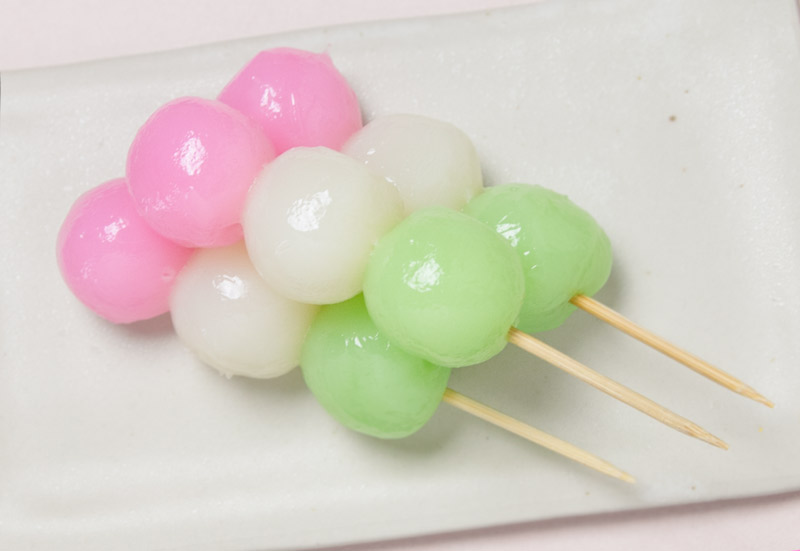
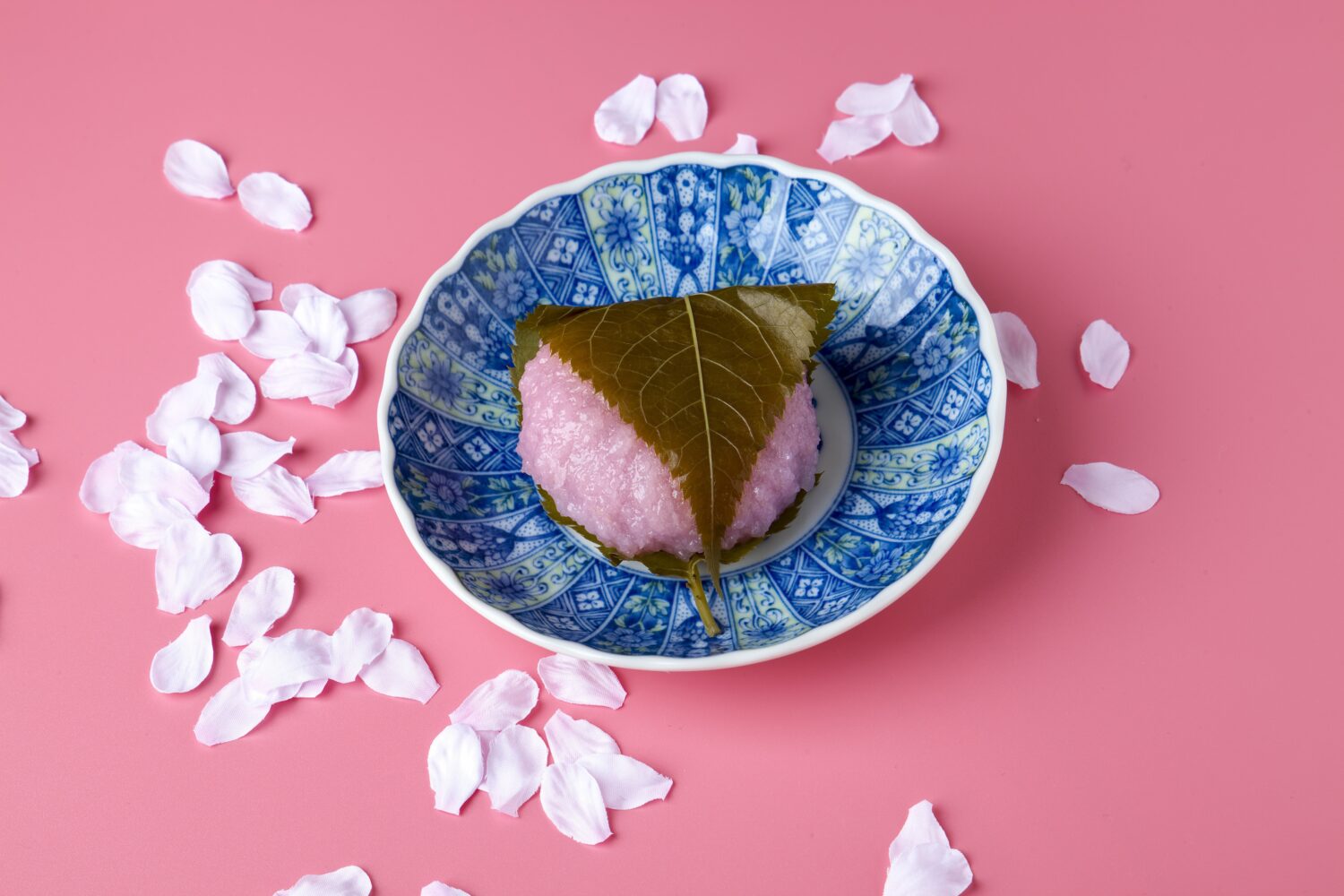
| Namagashi are premium Japanese confections traditionally served during tea ceremony and meticulously crafted by hand to reflect the changing seasons. The term literally translates to “raw sweets” due to their high moisture content (typically over 30%), giving them a delicate texture usually made from sweetened white bean paste, glutinous rice flour, and agar. Because they use fresh ingredients without artificial preservatives, they are meant to be consumed on the same day they are made, offering an artistic edible tribute to the beauty of nature, whether mimicking a spring by cherry blossom, a summer by water droplet, or an autumn by maple leaf. ❏ Neri kiri (練切) is the absolute pinnacle of namagashi. Made from a pliable dough of sweetened white bean paste (shiro-an) and soft rice flour (gyuhi), the wagashi master craft these by hands and using delicate wooden tools. They form shapes that capture passing seasonal moments, such as cherry blossoms in spring, hydrangeas in summer, or maple leaves in autumn. ❏ Daifuku (大福) is a popular Japanese sweets consisting of a soft mochi (rice cake) shell stuffed with a sweet red bean paste. Lightly dusted with potato or corn starch to prevent it from sticking to your hands, its name literally translates to “great luck,” making it a favored gift for celebration occasions. Today, Daifuku has evolved to various fillings, such as whole fresh strawberries (Ichigo Daifuku), whipped cream, matcha greentea, and even ice cream, capturing the hearts of dessert lovers worldwide. ❏ Sanshoku Dango/ 三色団子 (or Hanami Dango/ 花見団子) is one of the most popular namagashi featuring pink, white, and green dumplings that symbolize the transition of seasons from the pink of spring blossoms and the white of winter snow to the green of fresh summer grass. This iconic sweet originated in 1598 when the warlord Toyotomi Hideyoshi hosted an extravagant cherry blossom viewing party at Kyoto’s Daigo-ji Temple (醍醐寺) and commissioned a colorful treat to impress his guests, effectively cementing the cultural tradition of eating Hanami dango during spring festivities. ❏ Sakura mochi (桜餅) is namagashi made of red bean paste (anko) wrapped in a pink rice-based cake and a pickled cherry blossom leaf. It was invented in 1717 during the Edo period by Shinroku Yamamoto, a gatekeeper at Chomei-ji temple (長命寺) in Tokyo, who started bringing fallen cherry leaves to wrap around rice cakes for visitors. This treat is traditionally eaten in spring, specifically around Hina matsuri (Girl’s Day on March 3rd) and during hanami (Sakura viewing party) |
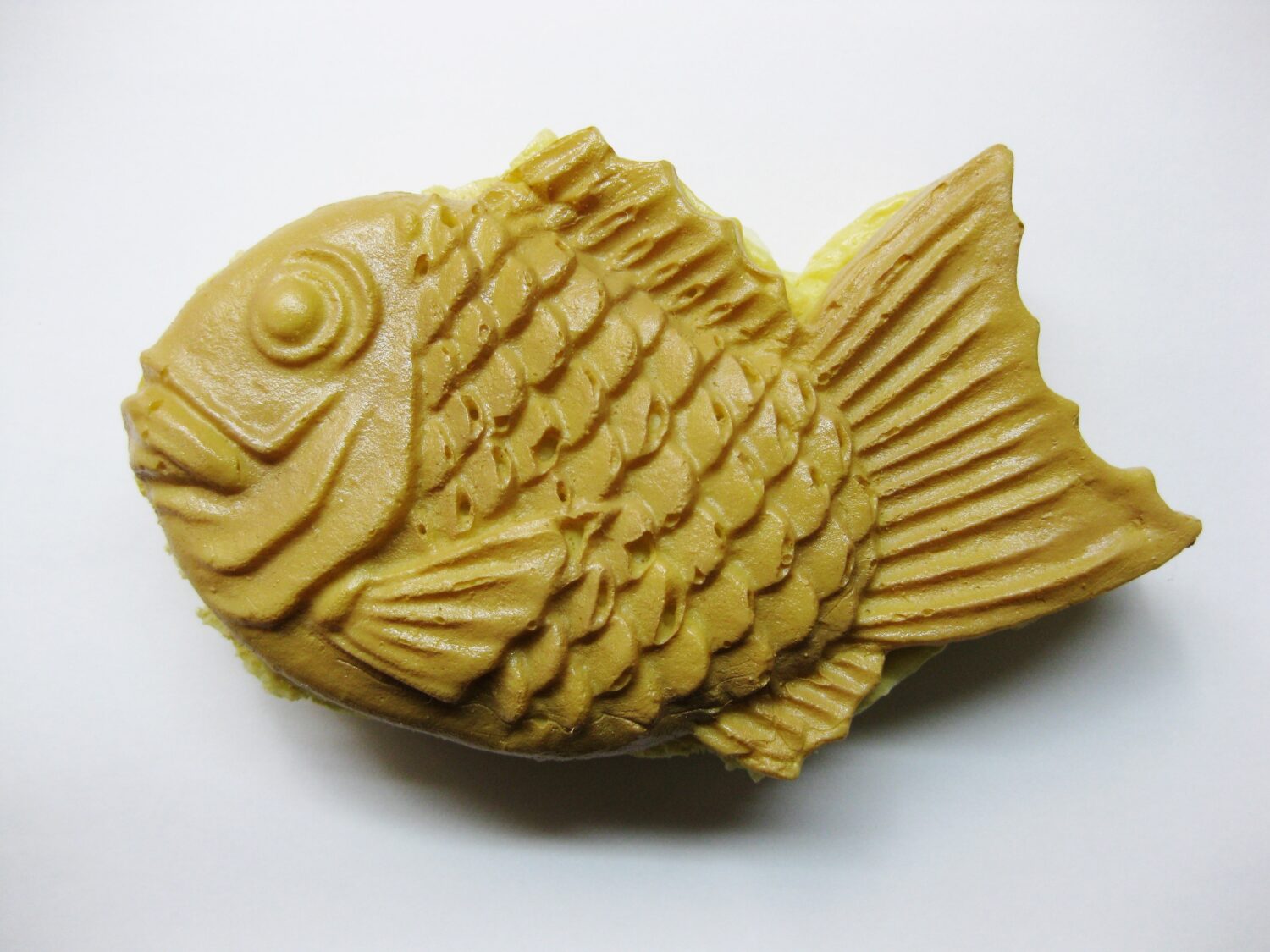
| ❏ Taiyaki | たい焼き a classic Japanese fish-shaped waffle cake and one of the most beloved street-food varieties of wagashi. Cooked in heavy cast-iron molds, it features a golden, grid-baked exterior modeled after the tai (sea bream), a fish associated with good fortune and celebration in Japan. It is traditionally filled with red bean paste (anko) made from adzuki beans, though modern street stalls regularly offer custard, matcha greentea, chocolate, and sweet potato variants. |
| Aburi Mochi | あぶり餅 |
|---|
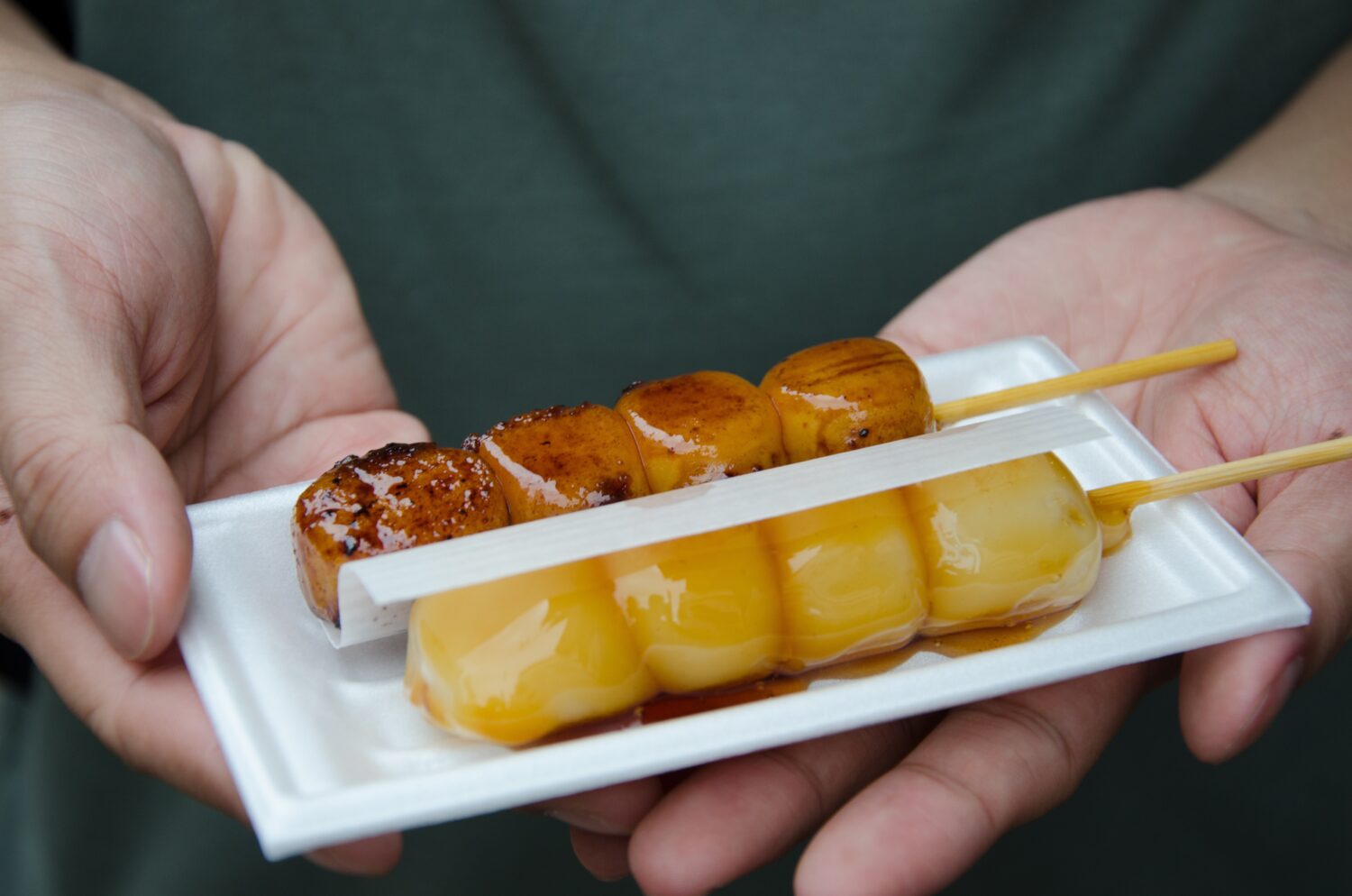
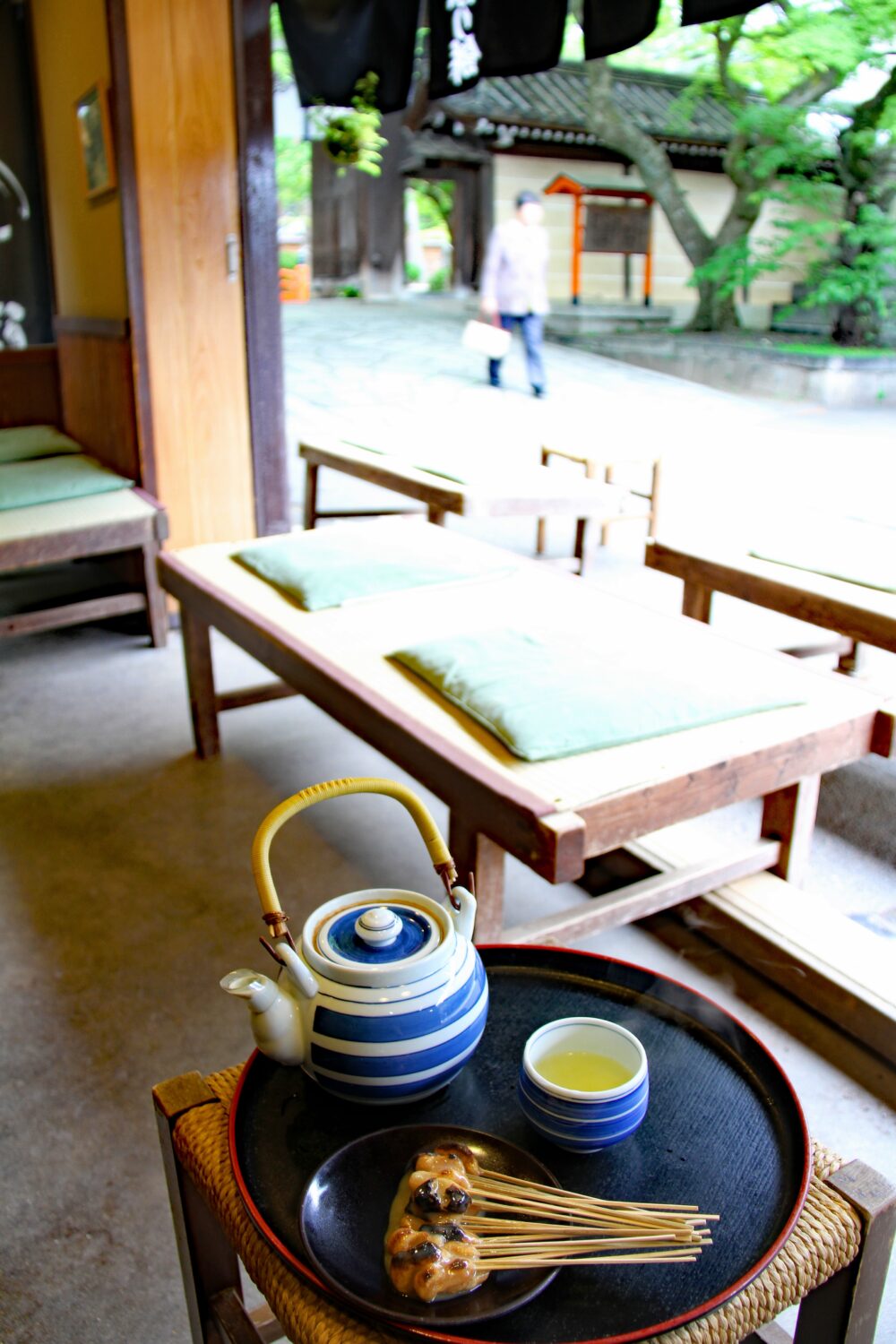
| Stepping onto the historic approaches of Imamiya Shrine (今宮神社) in northern Kyoto, visitors are greeted by a sweet aroma that has drifted through the area for over a millennium. This scent belongs to aburi mochi – bite-sized rice cakes skewered on bamboo, grilled over glowing charcoal, and dipped in a rich, golden glaze of sweet white miso. More than a culinary delicacy, aburi mochi is a living tradition steeped in spiritual history. Originally offered to the deities to ward off plagues during the Heian period, eating these charred sweets is still believed to bring good health and protection from illness. Across the flagstone path, two legendary teahouses – Ichimonjiya Wasuke (Ichiwa), founded in 1000 AD, and Kazariya, operating since 1637 continue to prepare the dish entirely by hands. Serving as a connection to Kyoto’s cultural heritage, this humble snack offers a timeless taste of the ancient capital’s enduring spirit. The ultimate Kyoto routine: From 1,000-year-old mochi straight into the peaceful grounds of Imamiya Shrine! After savoring the charcoal-grilled Aburi Mochi dipped in sweet white miso sauce at Ichimonjiya Wasuke (Ichiwa) and Kazariya, step right through the stone torii gate into Imamiya Shrine (今宮神社) for making a wish in the afternoon. This lesser-crowded shrine is famous for warding off illness, bringing good health, and granting good fortune in relationships. While exploring the vibrant vermilion structures, don’t miss the Ahokashi-san (Lifting Stone) ritual: pat the sacred stone three times before lifting it, then make a wish while stroking it 3 times. if it feels lighter on your second lift, your wish is bound to come true! It is the most magical trip, delicious treats, and historic combination that lets you experience the true soul of Kyoto. Ichimonji Wasuke (一文字屋和輔) and Kazariya (あぶり餅 本家 根元 かざりや): ▶ Open hours: 10:00 – 17:00 (Monday – Sunday) ▶ Closed: Wednesday |
| 2. Han namagashi | 半生菓子 (Semi-perishable Sweets) |
|---|
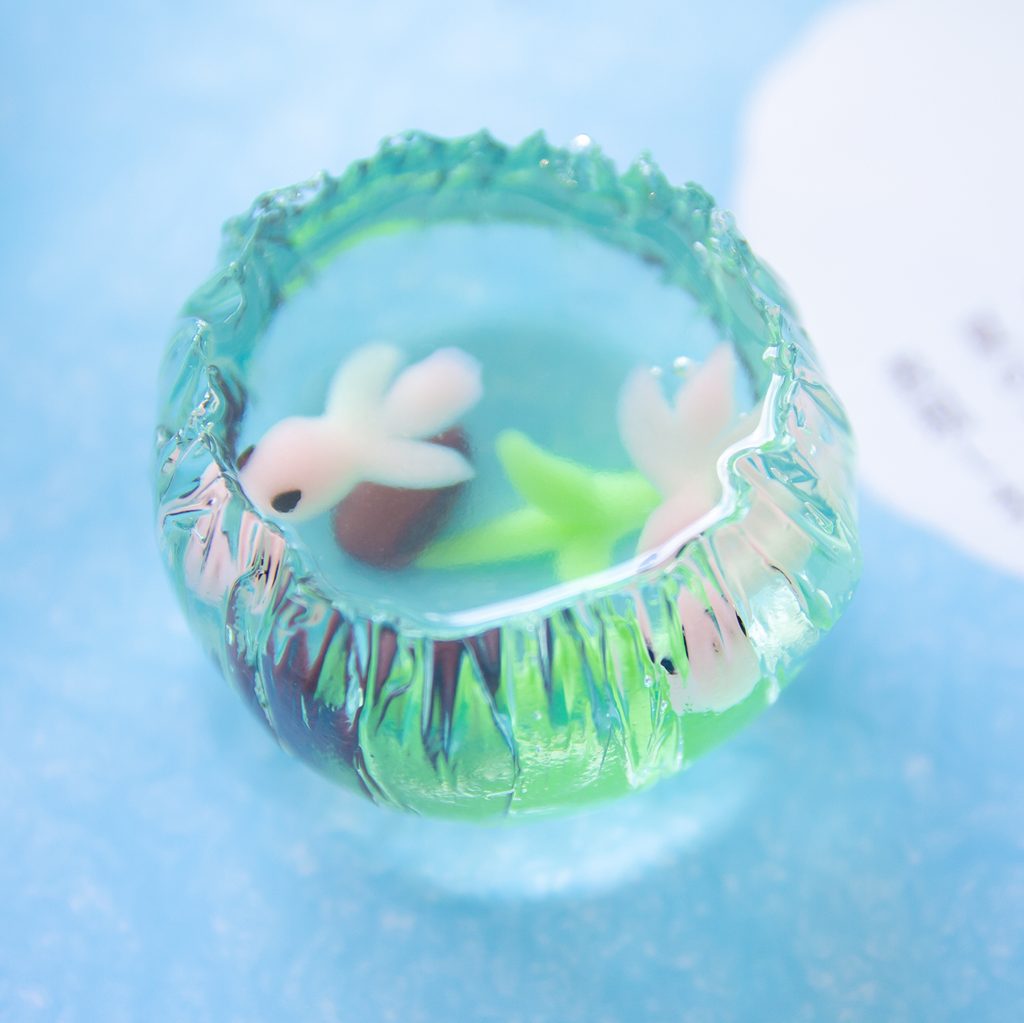
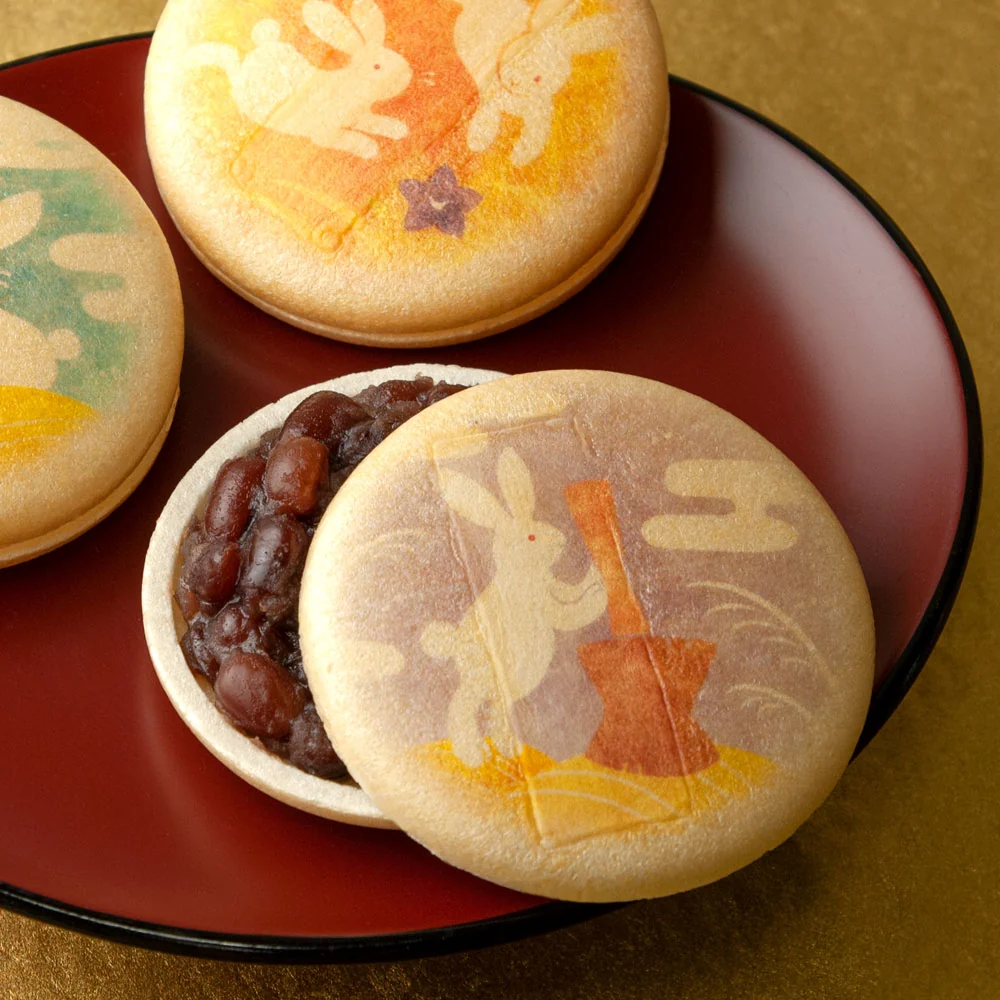
| Han namagashi is a traditional category of Japanese confectionery that bridges the gap between fresh sweets (nama gashi) and dry sweets (higashi), typically containing a moderate moisture content of 10% to 30%. Because they are partially dried or cooked to reduce water content, they offer a delightfully chewy, soft, or jelly-like texture while boasting a much longer shelf life than fresh sweets, making them popular for casual tea gatherings and seasonal gifts, including Ama nattō (甘納豆/ sugar-coated beans), Kingyo kukan (錦玉羹/ translucent agar-based jellies often shaped like summer motifs), Monaka (最中/ crisp wafer shells filled with sweet azuki bean paste), and Suhama (洲浜/ chewy confections made from Kinako, toasted soybean flour and sugar syrup). ❏ Kingyokukan (錦玉羹) It frequently called Kohakukan (琥珀羹) in Kansai regio. This treat is a summer wagashi made by boiling kanten (agar-agar), sugar, and starch syrup, then pouring the mixture into molds to cool and solidify. Renowned for its glass-like transparency, this sweet is a masterful artistic canvas used by confectioners to capture the seasonal imagery; its translucent blocks are often layered with vibrant colors or embedded with hand-sculpted bean-paste shapes representing swimming goldfish, river streams, or maple leaves to bring a sense of coolness to humid summer days. it is typically sold from early summer through August at prestigious confectionery shops and department store basements. ❏ Monaka (最中) Monaka is a popular traditional Japanese sweet consisting of airy wafers made from baked mochi rice flour that enclose a sweet filling, traditionally red bean paste (anko). In Kyoto, you can find incredible artisanal versions of this treat ranging from shops that have specialized in making the delicate shells for decades to modern cafes. |
| 3. Higashi | 干菓子 (Dry Sweets) |
|---|
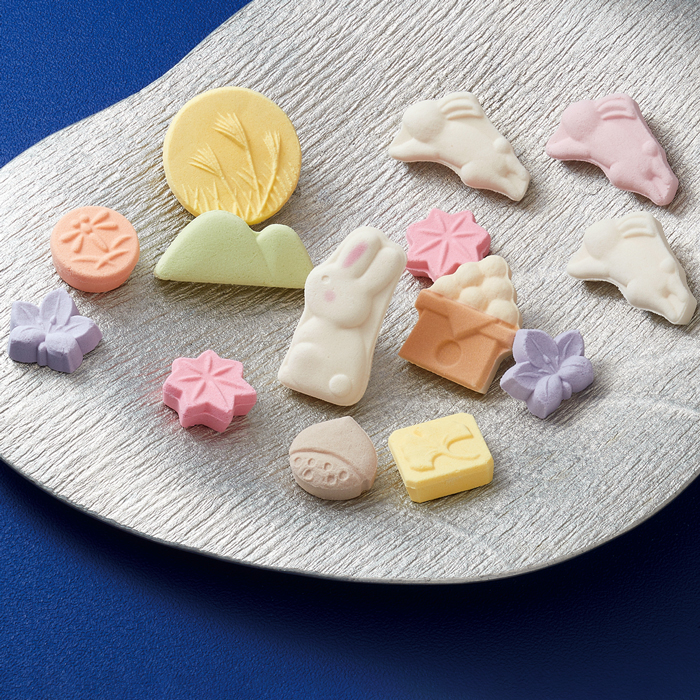
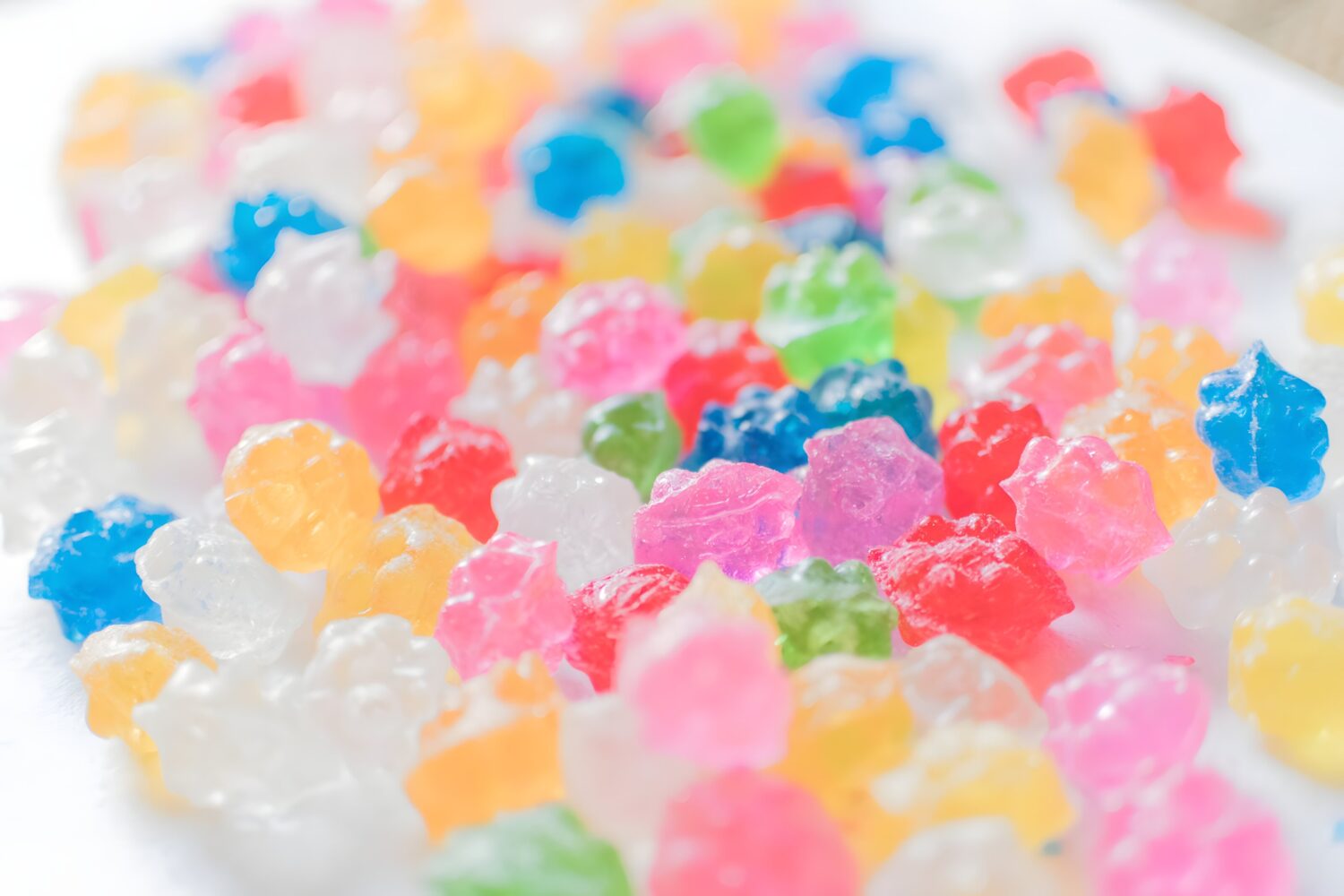
| Containing less than 10% moisture, these brittle sweets are designed to melt effortlessly on the tongue. ❏ Wasanbon (和三盆) The pressed sugar candies made from premium Wasanbon sugar grown in Tokushima and Kagawa prefecture, Shikoku island. They are pressed into the wooden molds featuring geometric shapes or floral motifs. ❏ Rakugan (落雁) Made by mixing fine sugars with roasted starch like rice, barley, or soybean flour, and then pressed into intricately hand-carved wooden molds and dried. Celebrated for its elegant dual texture, it remains firm to the touch but melts instantly and smoothly on the tongue, delivering a pure sweetness with a subtle nutty undertone. While its seasonal shapes (such as cherry blossoms or autumn leaves) make it a popular choice for sacred religious offerings at Buddhist altars and Shinto shrines. ❏ Konpeito (金平糖) Konpeito is a colorful star-shaped Japanese dry candy that was introduced by Portuguese traders in the mid-16th century as an exotic foreign sweet (nanban-gashi). This delicate sugar confection famously captivated the powerful warlord Oda Nobunaga in 1569 when the Christian missionary Luis Frois presented it to him in a glass flask, winning Nobunaga’s favor and securing permission for the missionary to preach Christianity in Japan. |
-
MochiTsuki (Blue)
¥550 稅込 -
MochiTsuki (Green)
¥550 稅込 -
Moon Mail
¥550 稅込 -
Moon Rabbit (Blue)
¥550 稅込 -
Moon Rabbit (Pink)
¥550 稅込 -
Victory Rabbit Daruma (Green)
¥550 稅込 -
Victory Rabbit Daruma (Ivory)
¥550 稅込 -
Victory Rabbit Daruma (Red)
¥550 稅込
| Part 3: Wagashi Cafe Guide in Kansai |
|---|
| Kansai region is home to centuries-old tea houses and modern cafes where continue to redefine how we experience traditional sweets. Here are four unparalleled spots to add to your travel checklist. |
| 1. Kagizen Yoshifusa | 鍵善良房 (Kyoto – Gion district) |
|---|
| Located in the heart of Kyoto’s geisha district, Kagizen Yoshifusa teahouse has been operating since Edo period. Behind its traditional curtain lies a serene wooden sanctuary looking out onto a minimalist Japanese courtyard garden. Signature Dish: Kuzukiri – The glass-like noodles made from the starch of the kudzu root. Served in the crystal-clear ice and dip it into the kuromitsu (black brown sugar syrup). WEB: www.kagizen.co.jp Kagizen Yoshifusa Shijo Main Store ▶ Confectionery Sales: 9:30 – 18:00 ▶ Café: 10:00 – 18:00 (Last Order at 17:30) ▶ Closed: Mondays (the following day if a public holiday) |
| 2. Toraya | 虎屋 (Kyoto – Nishijin district) |
|---|
| Toraya is a legendary confectionery brand that once supplied wagashi to the Imperial Court. At their modern Anko Stand concept cafe, they take anko (sweet red bean paste)—the backbone of Japanese sweets—and adapt it beautifully for the modern palate. Signature Dish: Anko Buns and An Paste Toast. The warm bread served with a generous smear of their signature red bean paste and premium butter. WEB: https://global.toraya-group.co.jp/ Toraya Kyoto Ichijo Store ▶ Confectionery Sales: 9:00-18:00 ▶ Café: 10:00-18:00 (Last order 17:30) ▶ Gallery: 10:00-18:00 ▶ Closed: Jan 1, last Monday of each month (except in December) |
| 3. Tsuruya Hachiman | 鶴屋八幡 大阪本店 (Osaka) |
|---|
| The traditional Japanese confectionery shop and adjoining cafe (Sabou) in Osaka with a rich legacy spanning over 320 years. While the brand was established under its current name in 1863, its confectionery techniques and recipes directly inherit the lineage of Toraya Iori, an Edo-period sweet shop founded in 1702. This refined establishment allows you experience the centuries of culinary history by pairing authentic matcha with wagashi. The cafe offers a quiet atmosphere where you can also enjoy light meals like sekihan red rice and nyumen noodle soup. Signature Dish: Hyakuraku (百楽) – This monaka consists of an airy wafer shell filled with premium Dainagon azuki beans and agar. Cooked slowly in traditional copper pots, the sweet bean filling is celebrated for its refined sweetness that never feels heavy. Designed for an elegant tea experience, the rectangular wafer is cleverly pressed so that it can easily be snapped into bite-sized pieces. WEB: www.tsuruyahachiman.co.jp Tsuruya Hachiman Osaka Main Store ▶ Confectionery Sales: Weekdays (Monday – Friday): 8:30 – 19:00 Weekends & National Holidays: 8:30 – 17:00 ▶ Cafe (Sabou): 10:30 – 18:00 (Last Order: 17.30) Cafe closed on Saturdays, Sundays and National Holidays |
| 4. Kasuga An | 春日庵 (Nara – Naramachi district) |
|---|
| Tucked away in the Naramachi old town, this cozy cafe operates inside a preserved traditional wooden townhouse (machiya) in Nara. Signature Dish: Satsuma-yaki (a sweet potato-shaped pastry filled with red bean paste)- the baked sweet made from a delicate flour wrap stuffed with smooth red bean paste, lightly torched on the outside to give it a caramelized crust. It is served along with a hot pot of locally harvested roasted hojicha tea. Kasuga An ▶ Confectionery Sales: 09:00 – 18:00 (everyday) ▶ Cafe: 09:00 – 18:00 Cafe is closed on Thursday and on the 2nd and 4th Wednesday of each month |
| Part 4: Bring the Spirit of Japan into Your Daily Life |
|---|
| The elegance of a crafted piece of nerikiri, the strategic trade routes of Muromachi merchants, and the beauty of a tea house in Kansai all stem from a singular philosophy: appreciating the details of the present moment. If you want to carry this Japanese aesthetic with you wherever you go, explore our curated collections at stickart.jp online store. From traditional patterns and seasonal motifs to striking street art inspired by Japanese culture, our premium stickers and design assets allow you to personalize your laptops, water bottles, and daily tech accessories with the timeless spirit of Japan. |
| STICKART (ステッカート) |
|---|
| ▶︎ 大阪発のデザイン・ステッカー専門店 A sticker store designed by artists from Osaka, Japan ▶︎ Powered by AG-TECH™: 夜間も目立つ反射素材採用 | 3年以上の屋外耐候・完全防水 Reflective sticker for high visibility at night, 100% waterproof and weather-resistant for outdoor use for 3 years+ ■ 購入金額1,500円(税込)以上で送料無料(日本全国) We offer free nationwide shipping on all purchases of 1,500 yen or more (tax included). |