
2026 OMIYAGE Souvenir Guide in Kansai
| Traveling through Kansai region is an overload of night streets, centuries-old shrines and rich culinary traditions. For travelers, creators, artists and sticker enthusiasts, Kansai is a treasure trove of inspiration where offering a unique blend of street aesthetics and traditional Japanese culture. If you are planning for your next journey, our Omiyage Souvenir guide pairs Kansai’s must-visit landmarks with their most iconic souvenirs. Learn how to plan your trip with your own collection of travel memories. |
| Osaka: Capital of Street Culture and Food |
|---|
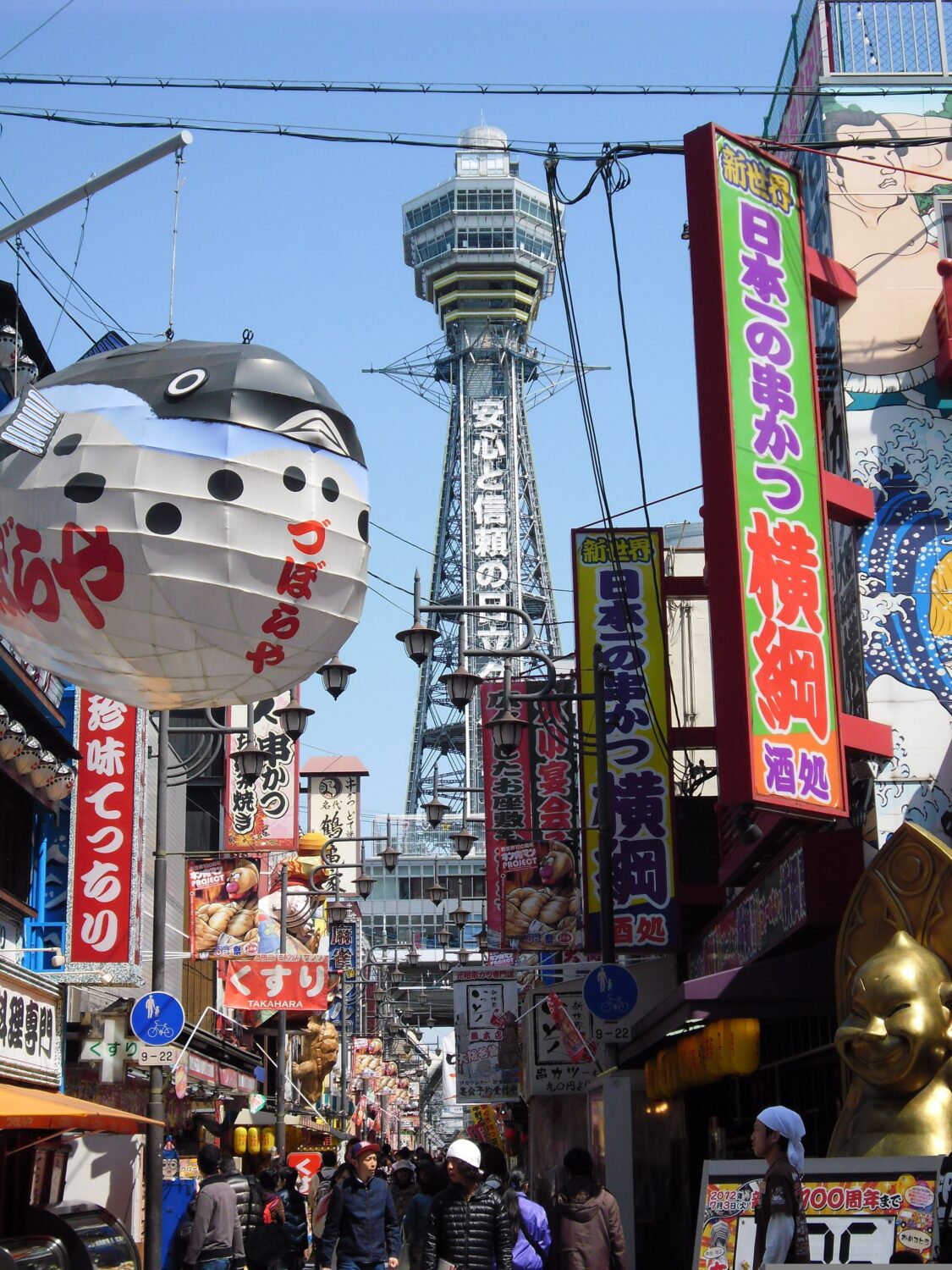
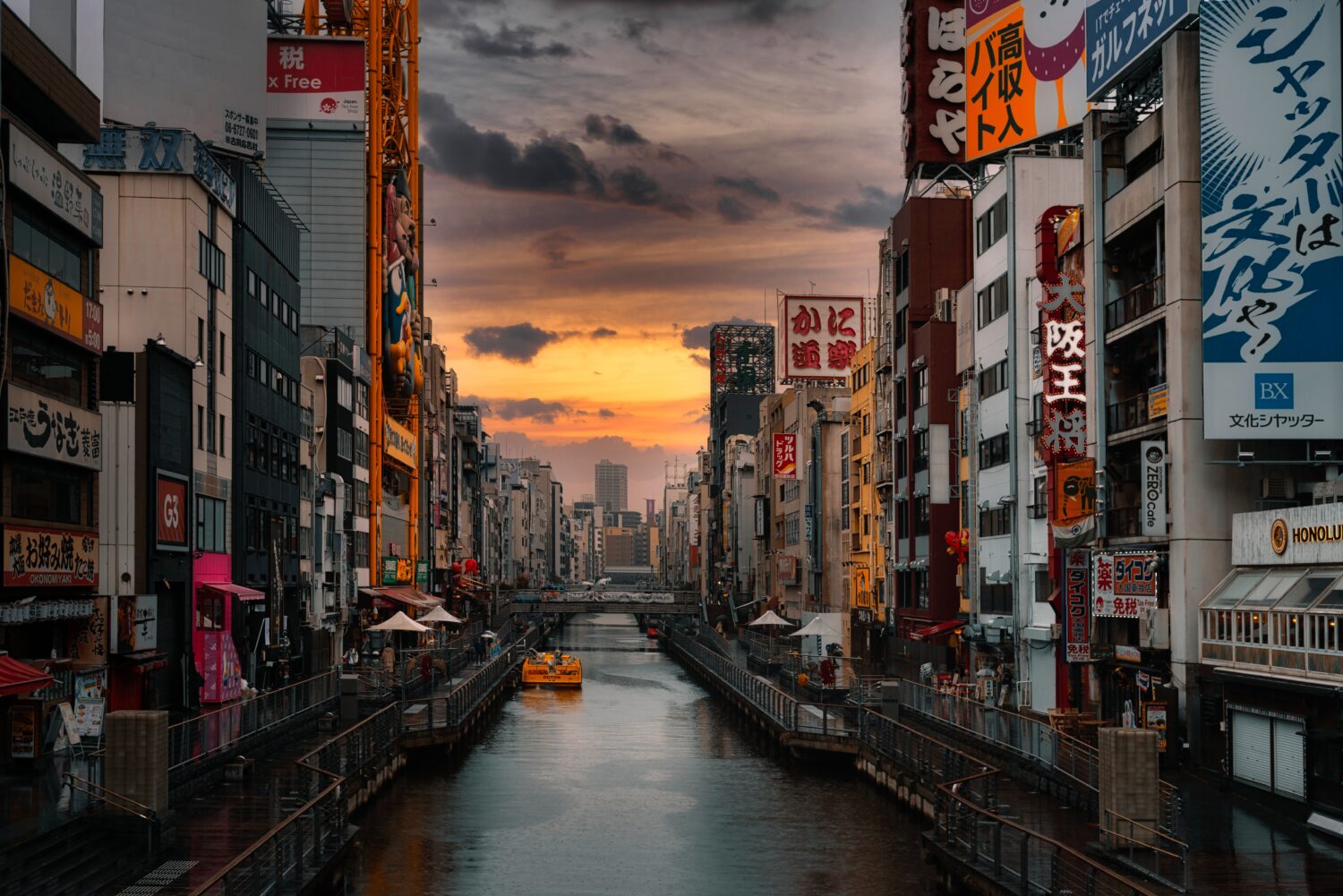
Known worldwide for its vibrant nightlife, neon signs and “kui-daore” (eat until you drop) culture. ▣ Must-Visit Landmark: Dotonbori, Shinsaibashi & Shinsekai 道頓堀・心斎橋・通天閣タワー You cannot say you have been to Osaka without standing on the Ebisubashi Bridge over the Dotonbori Canal. Surrounded by neon signs and displays – including the iconic Glico Running Man – this area is the epicenter of Osaka’s urban culture. It’s the perfect representation of the modern “slap culture” and street art movement here. However, for a dose of retro-futuristic charm, you must head down to Shinsekai. Framed by giant floating pufferfish lanterns and vintage storefronts, the Tsutenkaku Tower cuts an unforgettable silhouette against the sky. It’s an ultimate representation of classic Japanese street culture and urban lifestyle. ▣ Best Souvenirs Takoyaki Snacks or Local Art Goods Bring home the taste of Osaka with Takoyaki-flavored snacks or “Iwa Okoshi” ginger-rice crackers. During his journey to Dazaifu, Sugawara no Michizane had okoshi in Osaka and he enjoyed the treat so much that he brought it as a souvenir. Centuries later, during the era of Toyotomi Hideyoshi, these crispy sweets became a prominent gift for good fortune. This popularity stemmed from a wordplay on “okosu,” which translates to “set up” or “establish,” symbolizing success and rising prosperity or position. To capture the artistic energy of the streets, you can look for regional souvenirs and street-style collectibles from local indie design spaces around town. |
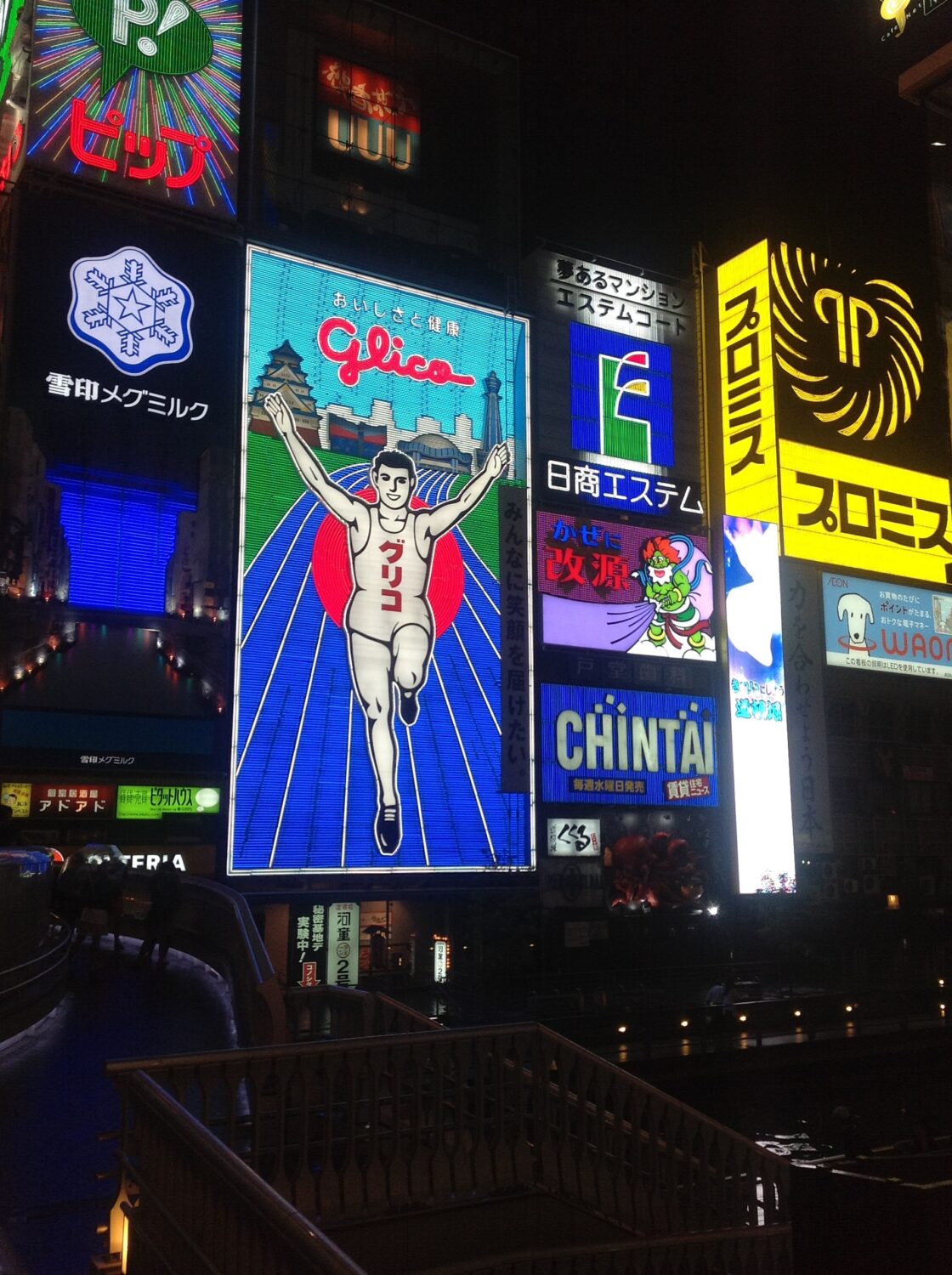
| ❏ Dotonbori District | 道頓堀 Dotonbori is a hub of Osaka’s nightlife and street food culture. You can walk along the Dotonbori Canal to see the animated 3D billboards. The Glico Running Man sign, first installed in 1935, is a photo stop you shouldn’t miss. |
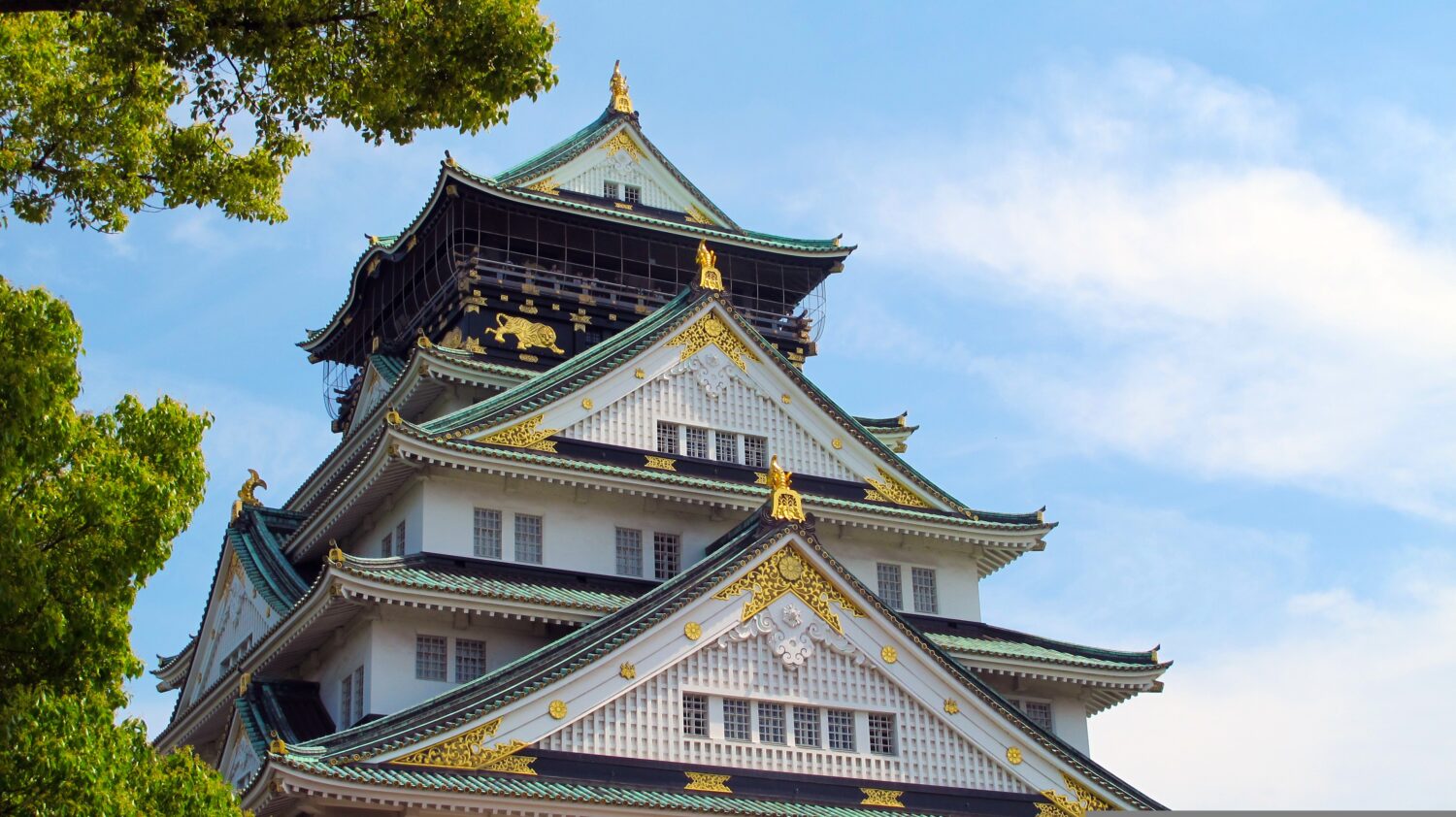
| ❏ Osaka Castle (Osaka-jo)|大阪城 A magnificent fortress is originally built by Toyotomi Hideyoshi in 1583. The main tower houses a modern museum detailing the unification of Japan. The nearby Nishinomaru Garden features over 300 cherry blossom trees. Open hours: 09:00 – 18:00 (Last admission: 17:30) Price: Entry to Osaka castle park is free, but the main tower (Osaka Castle Museum) costs ¥1,200 WEB: https://www.osakacastle.net/ |
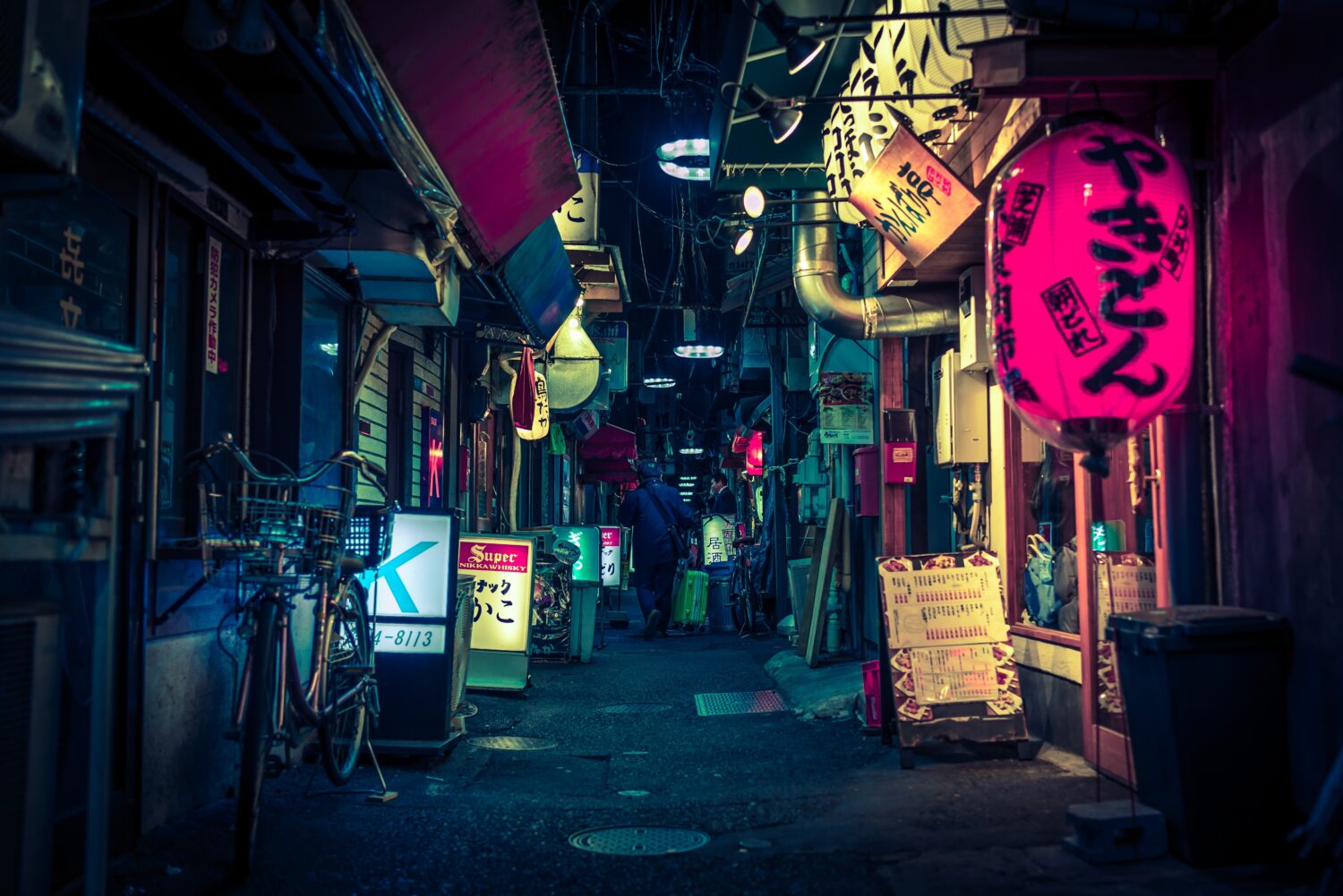
| ❏ Hozenji Yokocho | 法善寺横丁 A stone-paved alleyway where preserves the atmosphere of Edo period in Osaka. Hidden just steps away from Dotonbori area, it features Japanese lanterns, small izakaya night bars and the moss-covered Mizukake Fudo statue at Hozenji Temple, a statue of the deity Fudo Myo-o completely covered in a lush green coat of moss. Visitors traditionally splash water on the statue and make a wish for good luck, prosperity and love. Address: 〒542-0076 大阪市中央区難波 1 Hours: The alley and temple grounds are open 24 hours daily, though individual restaurant hours vary and typically open around dinnertime. |
| Kyoto: Eternal Heart of Japanese Tradition |
|---|
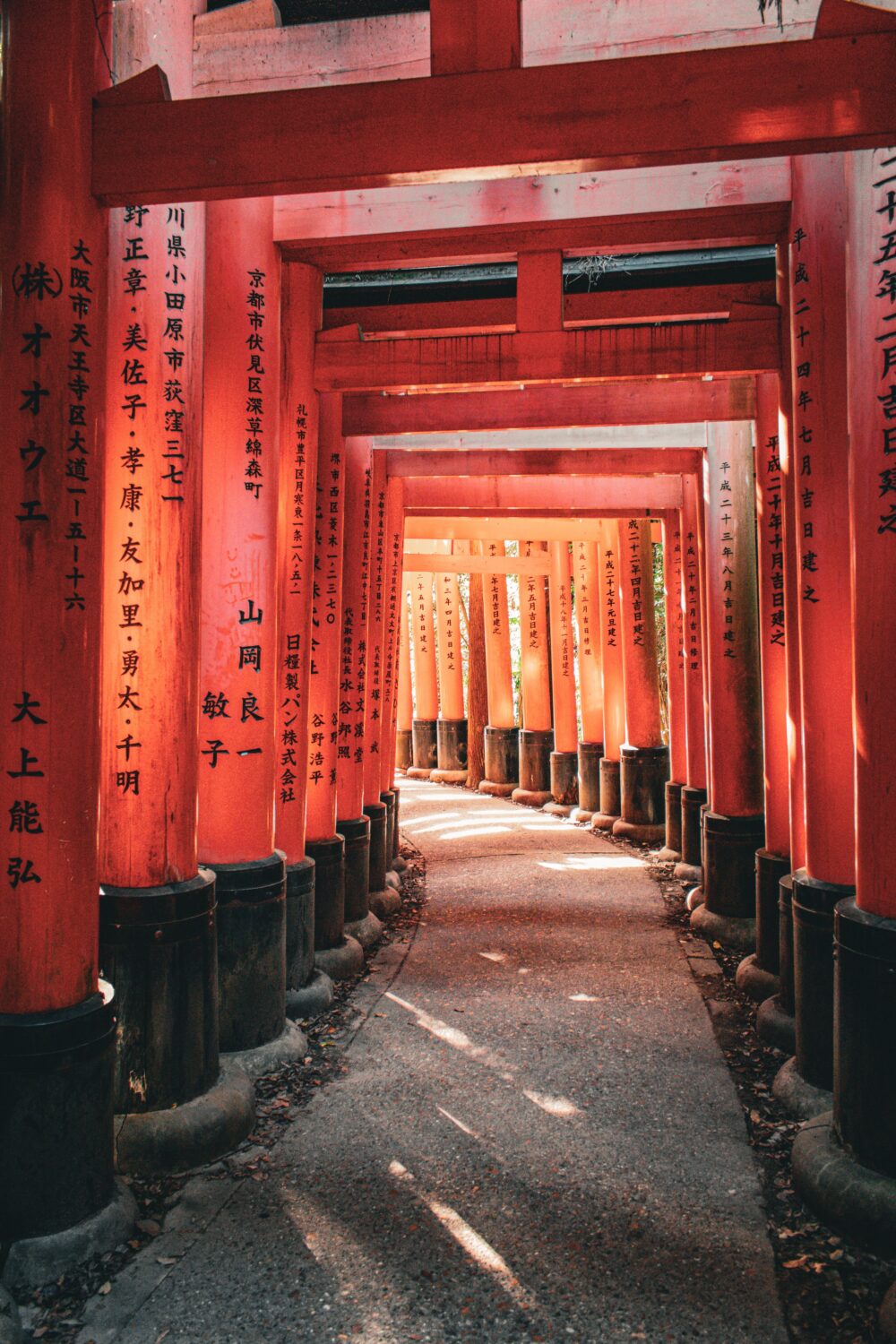
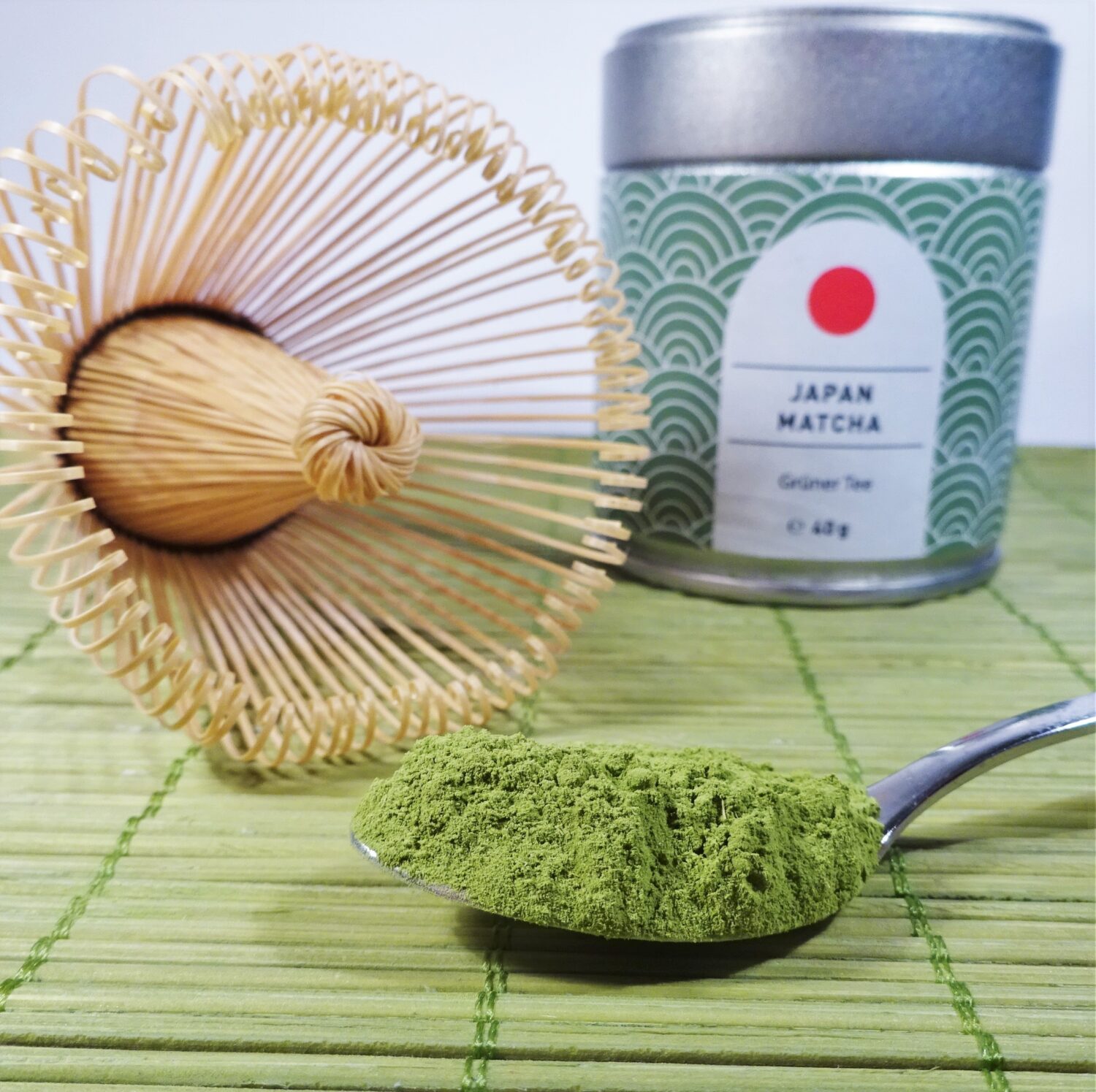
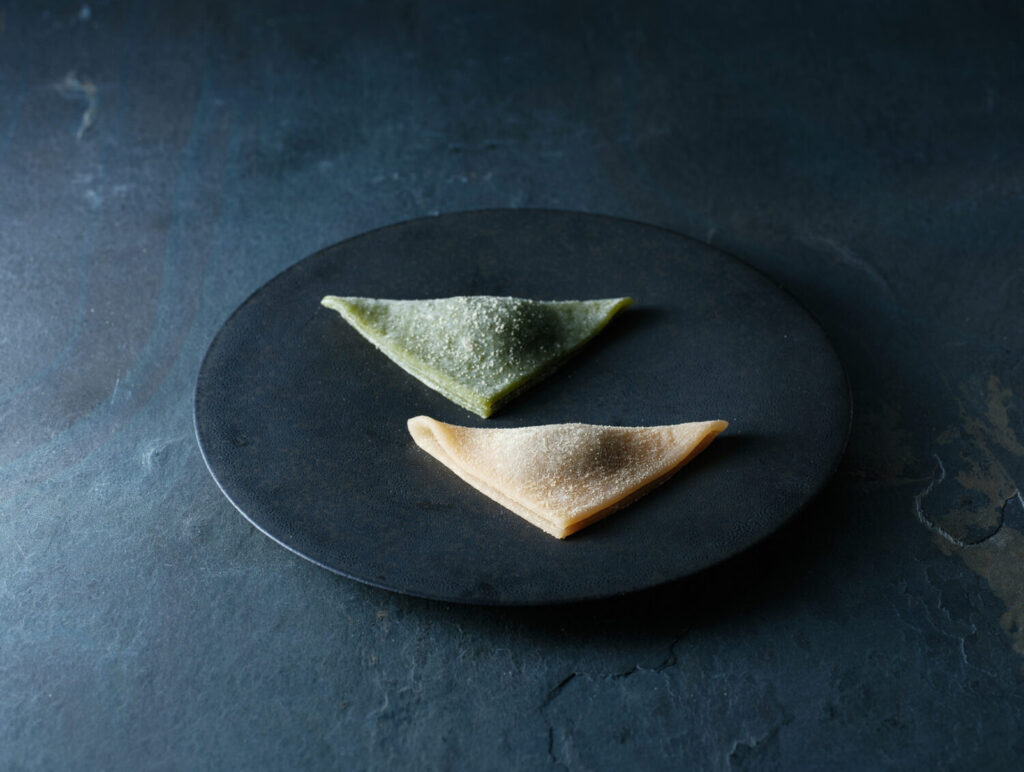
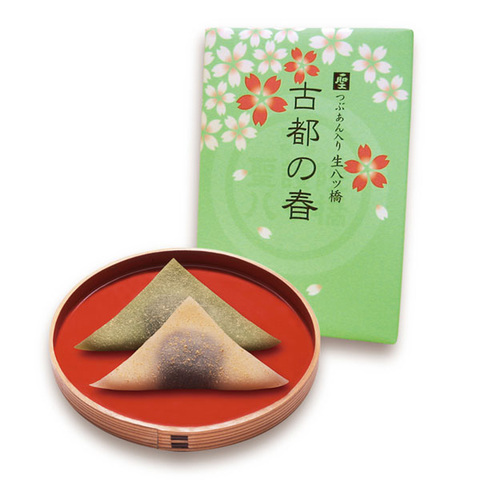
A short train ride from Osaka takes you to a completely different world. Kyoto is a city where history stands still amidst stunning wooden architecture and ancient bamboo forests. ▣ Must-Visit Landmarks Fushimi Inari Taisha Shrine | 伏見稲荷大社 Famous for its mesmerizing path of thousands of vibrant vermilion torii gates, Fushimi Inari Taisha shrine climbs up a sacred mountain. The contrast between the bright orange-red structures and the deep green forest provides endless inspiration in all seasons. ▣ Best Souvenirs Yatsuhashi & Uji Matcha | 八ツ橋・宇治抹茶 Kyoto’s most famous sweets is Nama Yatsuhashi, a triangular unbaked rice-flour pastry filled with sweet red bean paste (azuki), often flavored with cinnamon or premium Uji matcha greentea. Pair a box of these delicate sweets with a packet of authentic green tea powder from nearby Uji area. This is one of the most popular souvenirs from Kyoto and the best of Japan. |
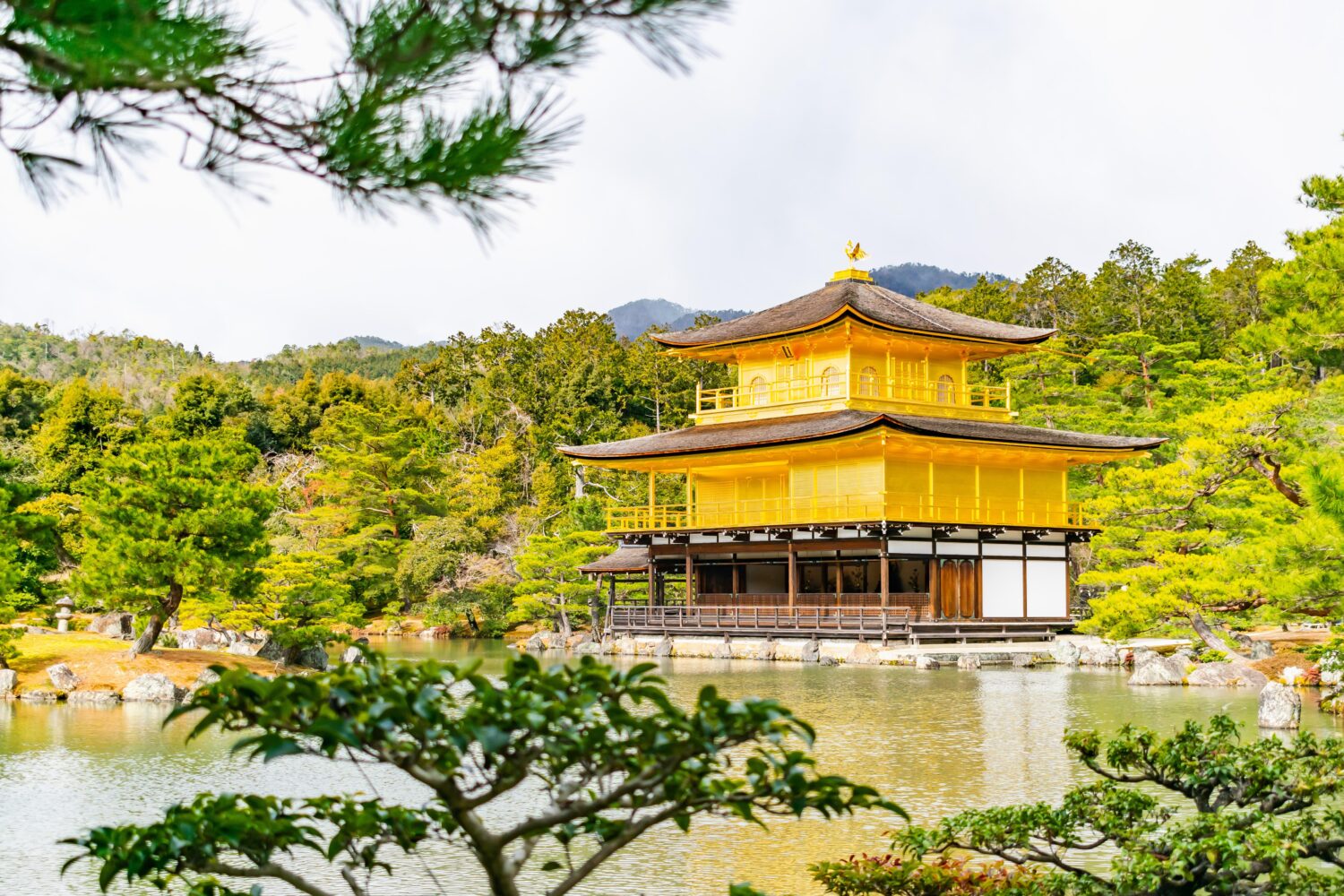
| ❏ Kinkaku-ji (The Golden Pavilion) | 金閣寺 A Zen Buddhist temple where the top two floors are completely covered in pure gold leaf. It overlooks the Mirror Pond (Kyoko-chi), creating a breathtaking reflection that changes beautifully in every season. The entrance ticket is made to use as a traditional talisman-style paper amulet (ofuda) to bring good luck. Open hours: 09:00 – 17:00 General Admission: ¥500 WEB: https://www.shokoku-ji.jp/en/kinkakuji/ |
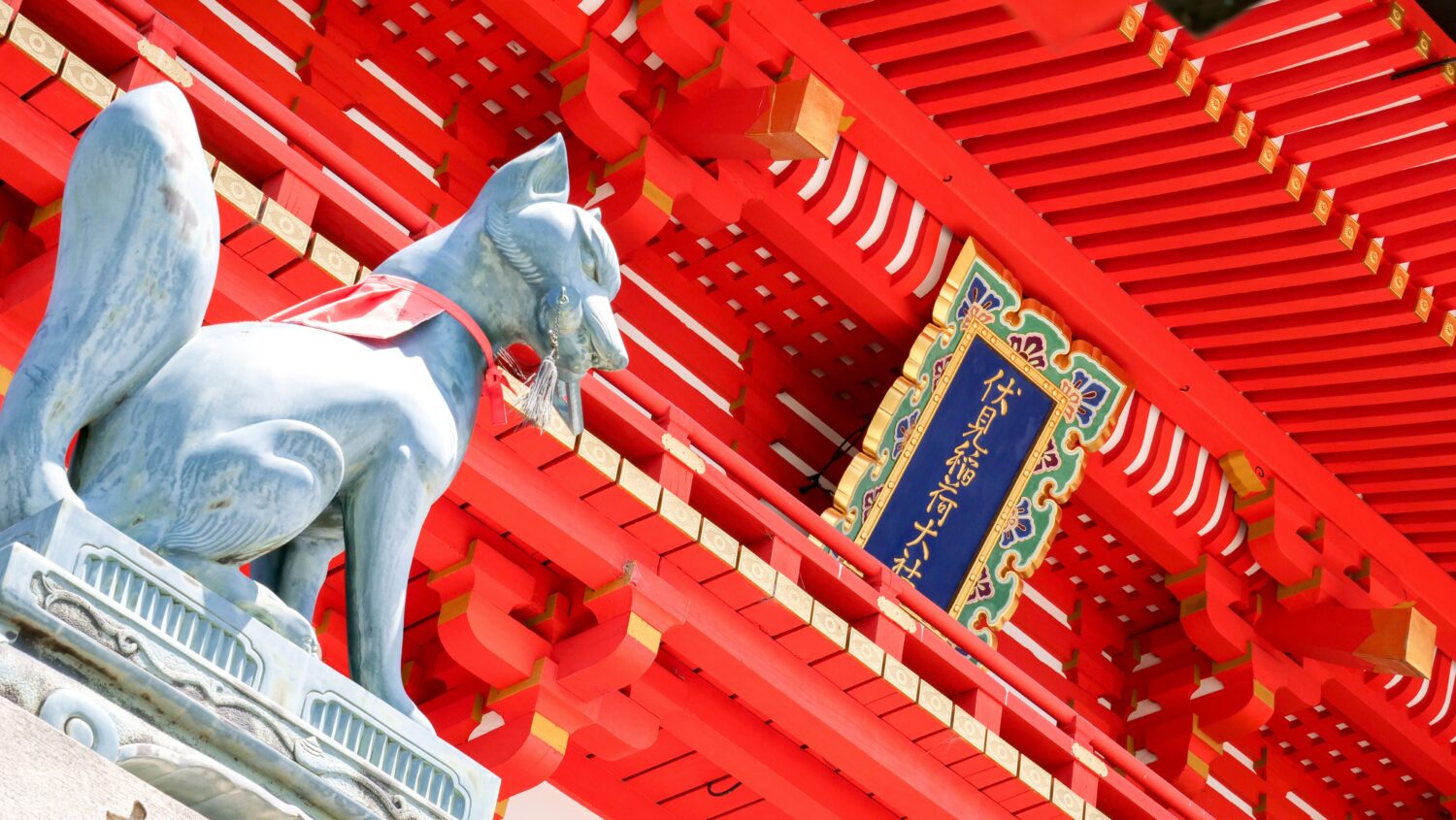
| ❏ Fushimi Inari Taisha | 伏見稲荷大社 Fushimi Inari Taisha shrine is the world famous attraction for its mesmerizing path of over 10,000 vibrant vermilion torii gates (Senbon Torii) snaking up the sacred Mount Inari. Dedicated to Inari, a Shinto god of agriculture and business, it features numerous fox (Kitsune) statues holding keys to rice granaries. Open hours: open 24 hours General Admission: Free |
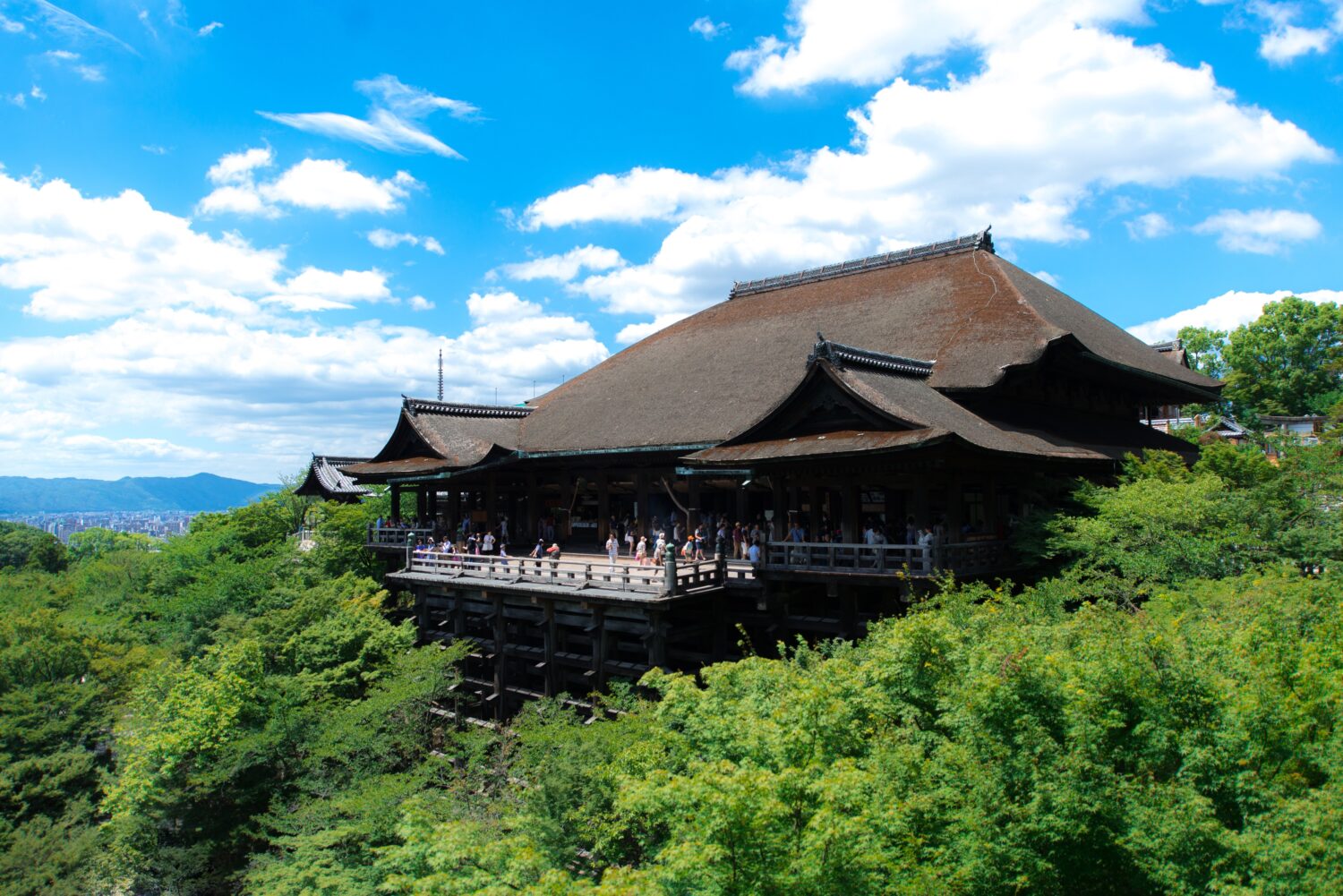
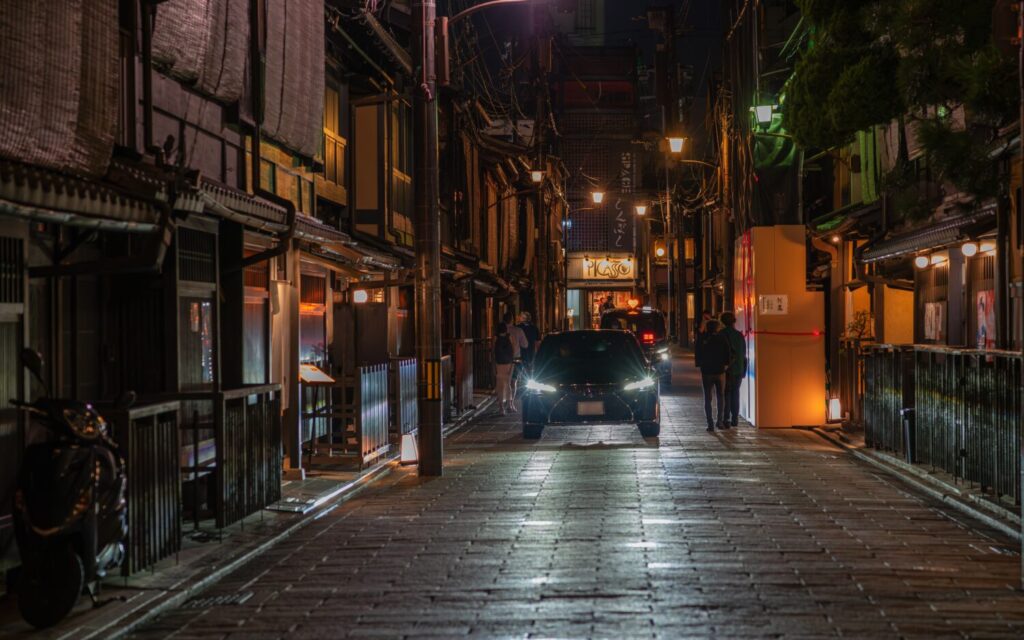
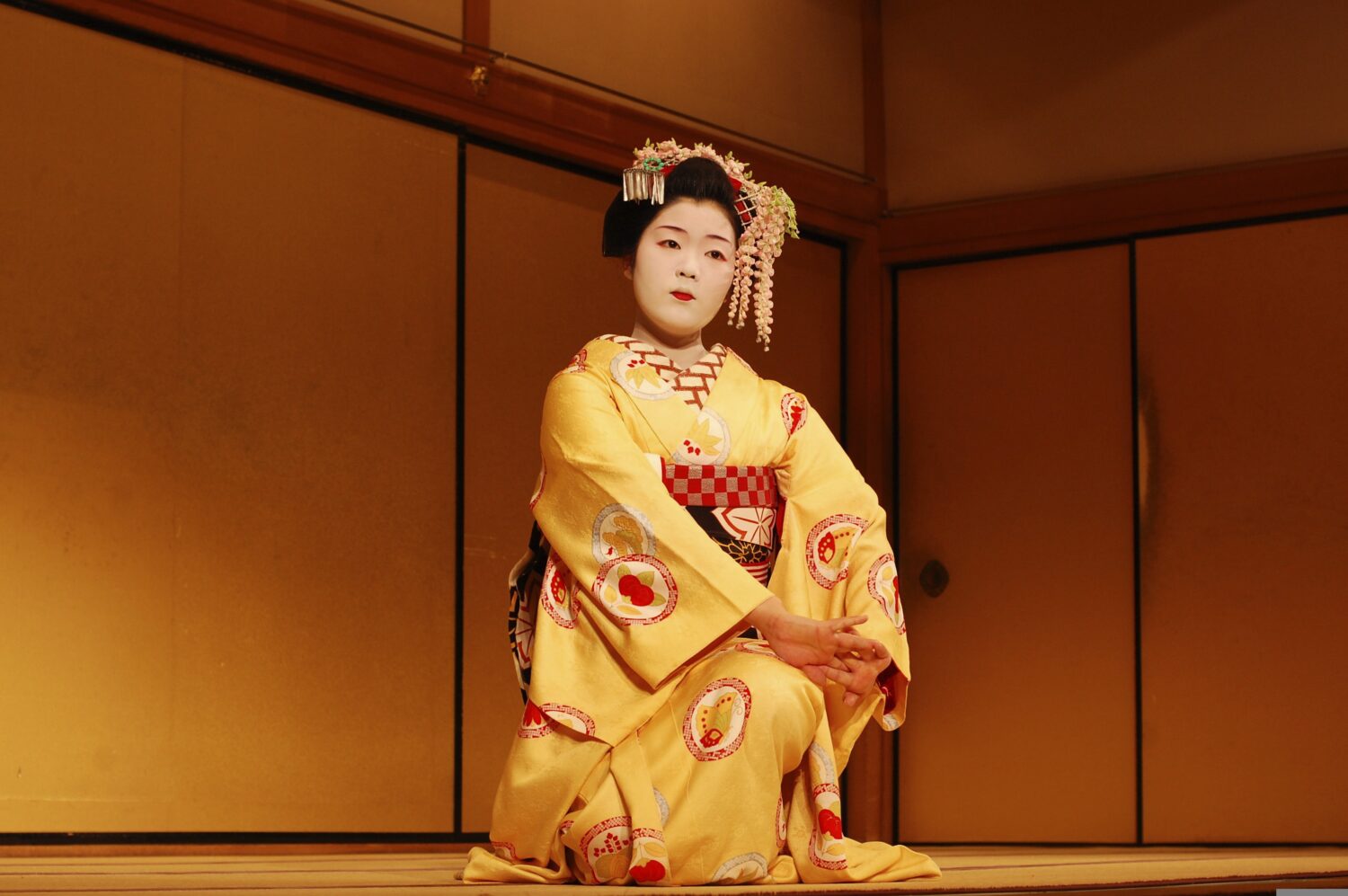
| ❏ Gion District | 祇園 Gion is the Kyoto’s geiko (geisha) and maiko district where filled with beautifully preserved wooden machiya merchant houses, teahouses and Gion corner. ⚠️ Critical Photography & Access Rules: Tourists are strictly banned from entering or taking photos in any of the private side alleys branching off Hanamikoji Lane. Violators of local community rules can be charged a ¥10,000 fine. 📸 Geisha Etiquette: You must never stop, touch, follow, or photograph Geiko or Maiko anywhere on the street without explicit permission. For commercial or pre-planned media photography, formal authorization must be co-ordinated with local neighborhood associations or through authorized tea houses. ❏ Kiyomizu-dera Temple|清水寺 Walking uphill through the bustling Ninen-zaka and Sannen-zaka steps brings you to the Kiyomizu-dera, an ancient temple renowned for its massive wooden stage built entirely without a single nail, offering panoramic views of Kyoto in all seasons. Open hours: opens at 06:00, but the closing time changes depending on the season, basically close at 18:00 General Admission: ¥500 WEB: https://www.kiyomizudera.or.jp/en/ |
| Nara: Where History and Nature Co-exist |
|---|
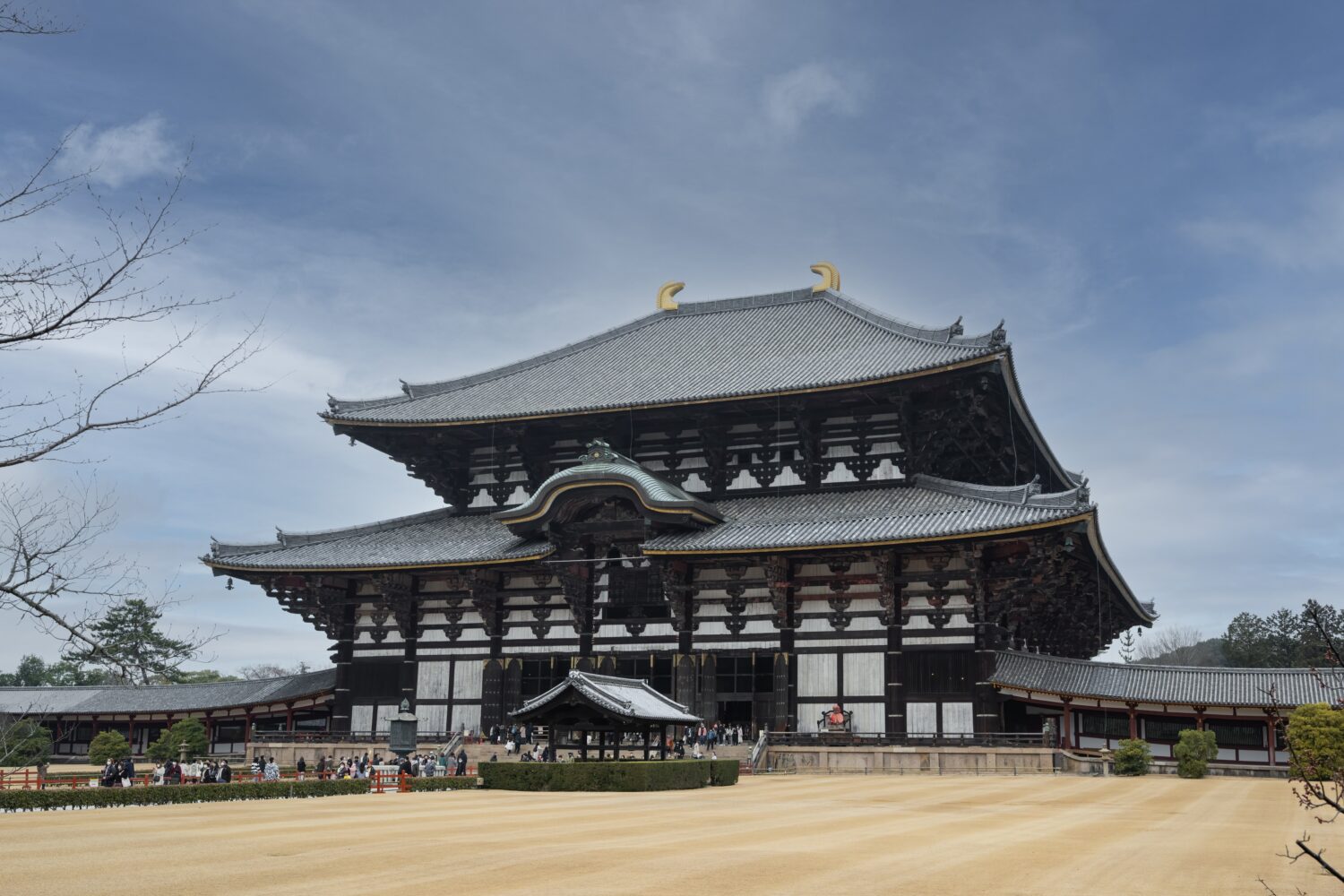
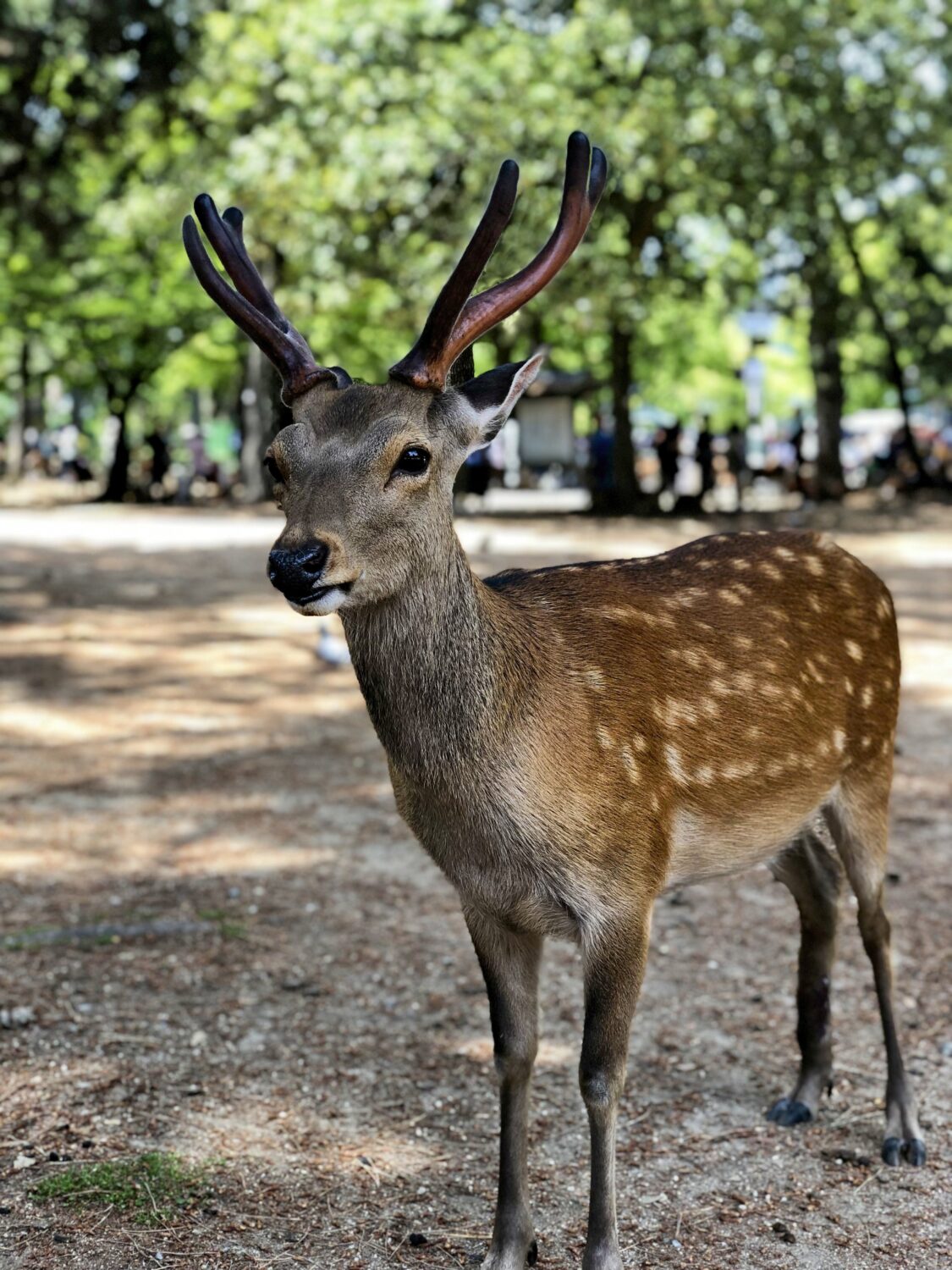
As Japan’s first permanent capital, Nara offers a mystical lanscape filled with vast parks, ancient temples and sacred deer. ▣ Must-Visit Landmark Nara Park & Todai-ji Temple | 奈良公園・東大寺 Nara Park is home to hundreds of bowing deer that mingle freely with visitors. Todai-ji Temple, one of the world’s largest wooden buildings, housing a 15-meter-tall bronze Great Buddha statue (Daibutsu). The scale of the architecture and the gentle presence of the wildlife create a dreamlike atmosphere. ⚠️ Critical Deer Safety & Wildlife Warning: While famous for their bowing behavior, these deer are wild animals and can become aggressive when food is involved. 🍘 Feeding Guidelines: Only feed them official Deer Crackers (Shika-senbei) sold at the park kiosks. Do not offer them human snacks, plastic wrappers, or trash which cause them fatal illness. 🛑 Safe Interaction: Avoid teasing the deer by holding crackers out of reach to take selfies. If a deer becomes pushy, bitey, or starts headbutting/ kicking, show your empty hands immediately and walk away calmly. Keep a close eye on young children. ▣ Best Souvenirs Deer-Themed Crafts & Nara-zuke Pickles In honor of the local wildlife, deer-themed wooden crafts, talismans and artistic keepsakes are incredibly popular. For food lovers, “Nara-zuke” (奈良漬け) – gourds and vegetables pickled in sake lees using a centuries-old technique – offers a sharp, savory taste of history. |
| Kobe: Cosmopolitan Elegance and Coastal Vibes |
|---|
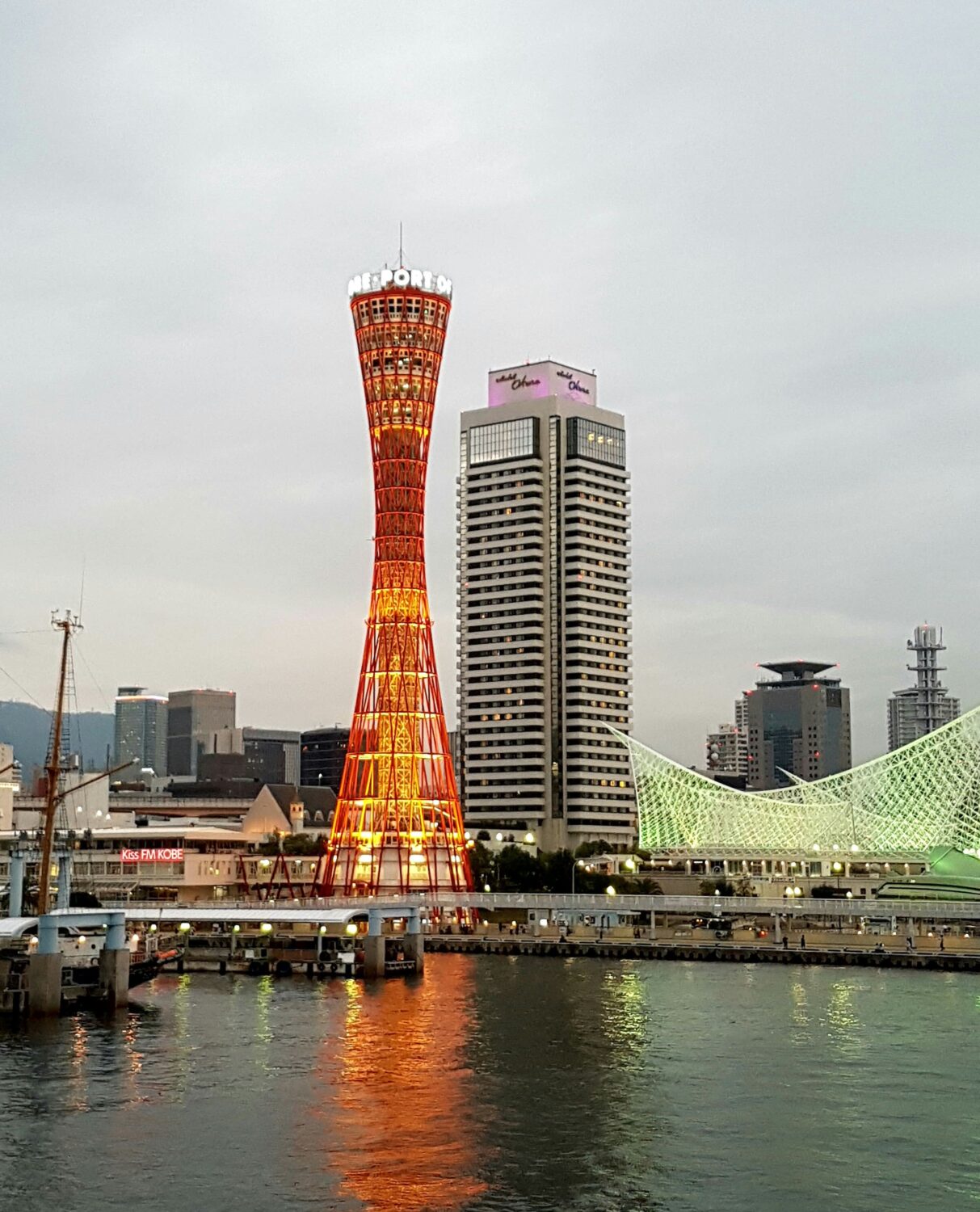
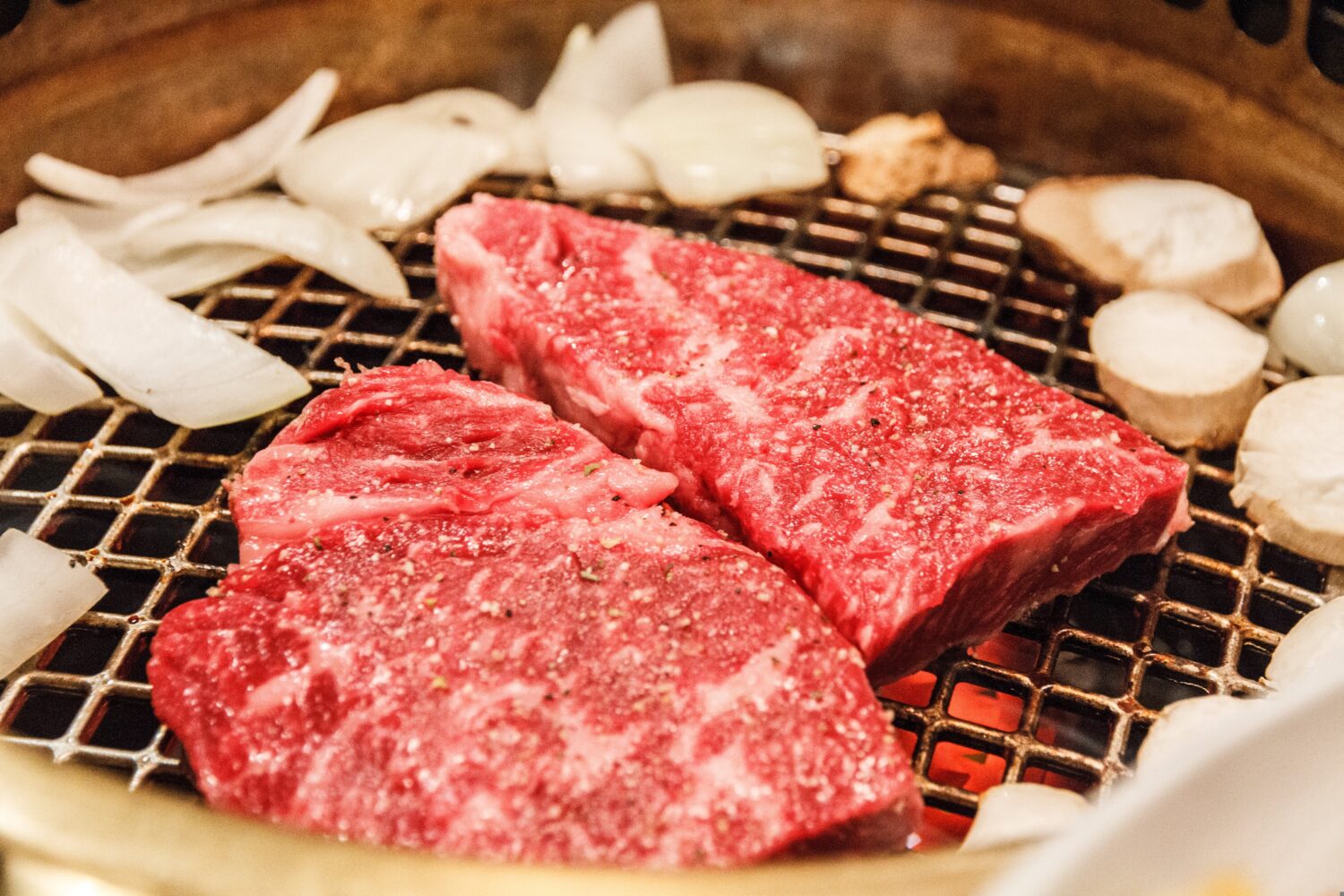
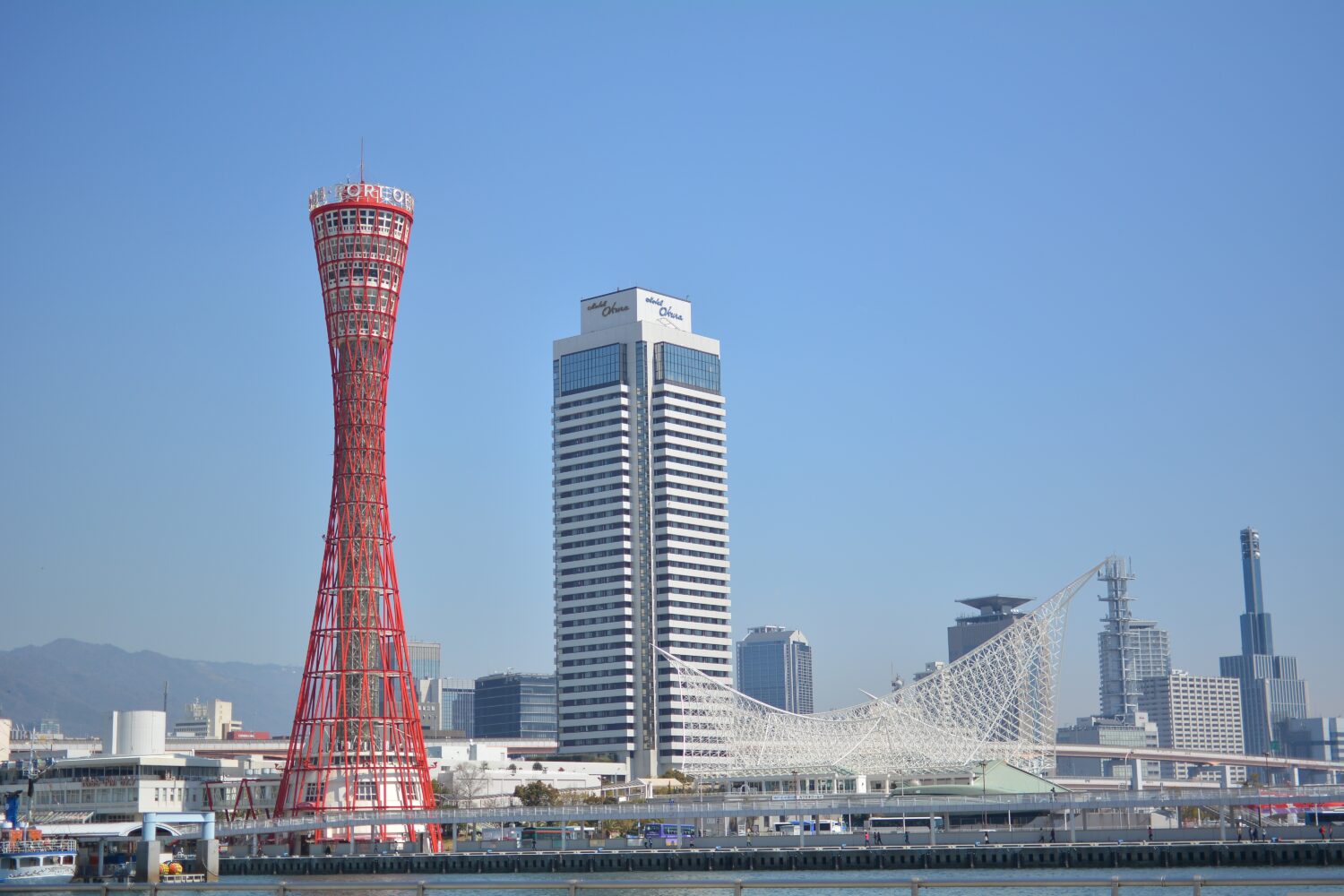
Nestled between Mount Rokko and the sea, Kobe is a stylish port city where has historically welcomed international influences, resulting in westernized architecture and a refined food scene. ▣ Must-Visit Landmark Kobe Meriken Park & Kobe Harborland (神戸メリケンパーク・神戸ハーバーランド) Kobe’s waterfront offers a beautiful maritime skyline dominated by the striking steel structure of the Kobe Port Tower. Walking along the harbor during sunset gives you a spectacular view of contemporary maritime design and breezy coastal architecture. ▣ Best Souvenirs Kobe Beef Snacks & Refined Pastries While indulging in a fresh steak dinner is a must, you can take the luxury taste back home via Kobe Beef flavored crackers or savory seasonings. Kobe is also legendary for its European-style confectioneries, so pick up a box of premium buttery baked breads or premium chocolates from local portside bakery houses and cafes. |
| ❏ Kobe Harborland | 神戸ハーバーランド The Port of Kobe waterfront district is a scenic harbor area seamlessly connecting Meriken Park and Kobe Harborland into a premier hub for leisure, history, and shopping. The Meriken Park is defined by striking architectures, including the red-lattice Kobe Port Tower with its 360-degree observation deck, the sail-shaped Kobe Maritime Museum and the iconic “BE KOBE” monument, along with a preserved section of damaged wharf that serves as an earthquake memorial. Across the harbor basin lies Harborland, featuring the massive Kobe Harborland umie shopping complex and its European-style Mosaic which offers an array of seaside restaurants, a giant Ferris wheel and gas-lamp-lit streets that come alive at night with romantic views of the illuminated tower across the water. |
| ❏ Kitano Ijinkan-gai | 北野異人館街 |
|---|
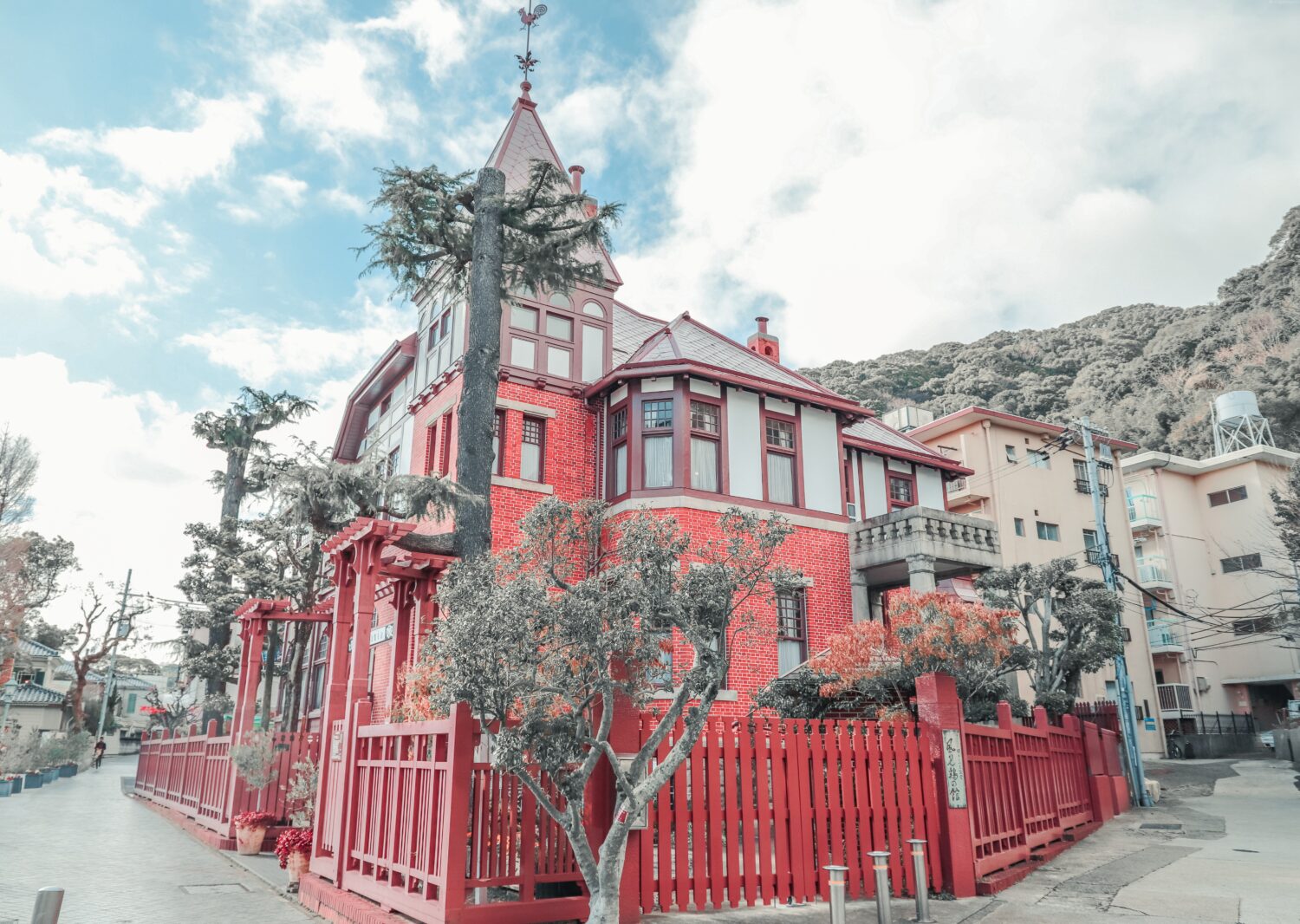
| A historic hillside neighborhood at the foot of Mount Rokko. It is famous for its collection of preserved 19th-century foreign residences (the heritage mansions built by Western merchants and diplomats), offering a unique architectural blend found nowhere else in Japan. WEB: https://kobe-ijinkan.net/md/en/ |
| Wakayama: Spiritual Peninsula of Myth and Nature |
|---|
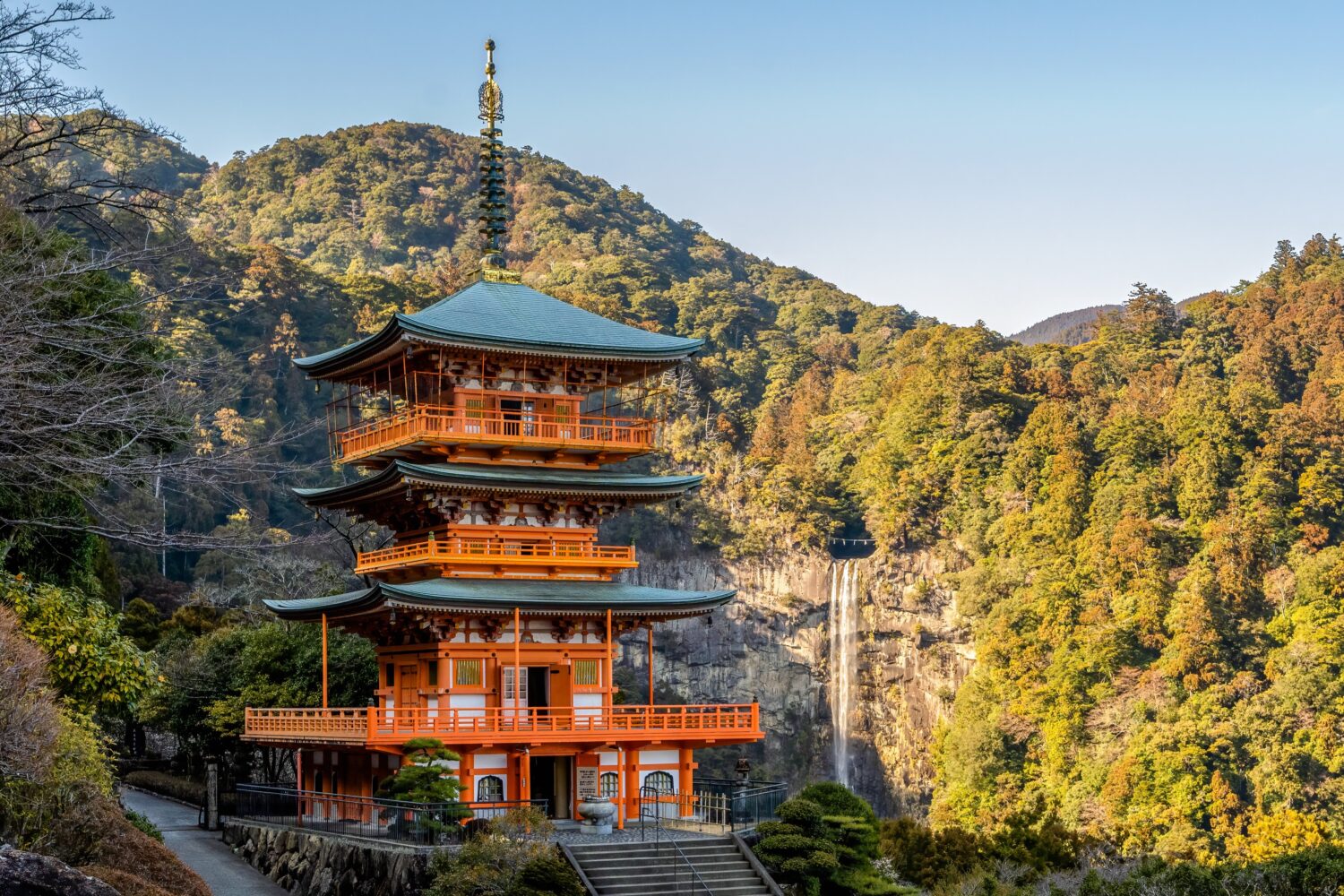
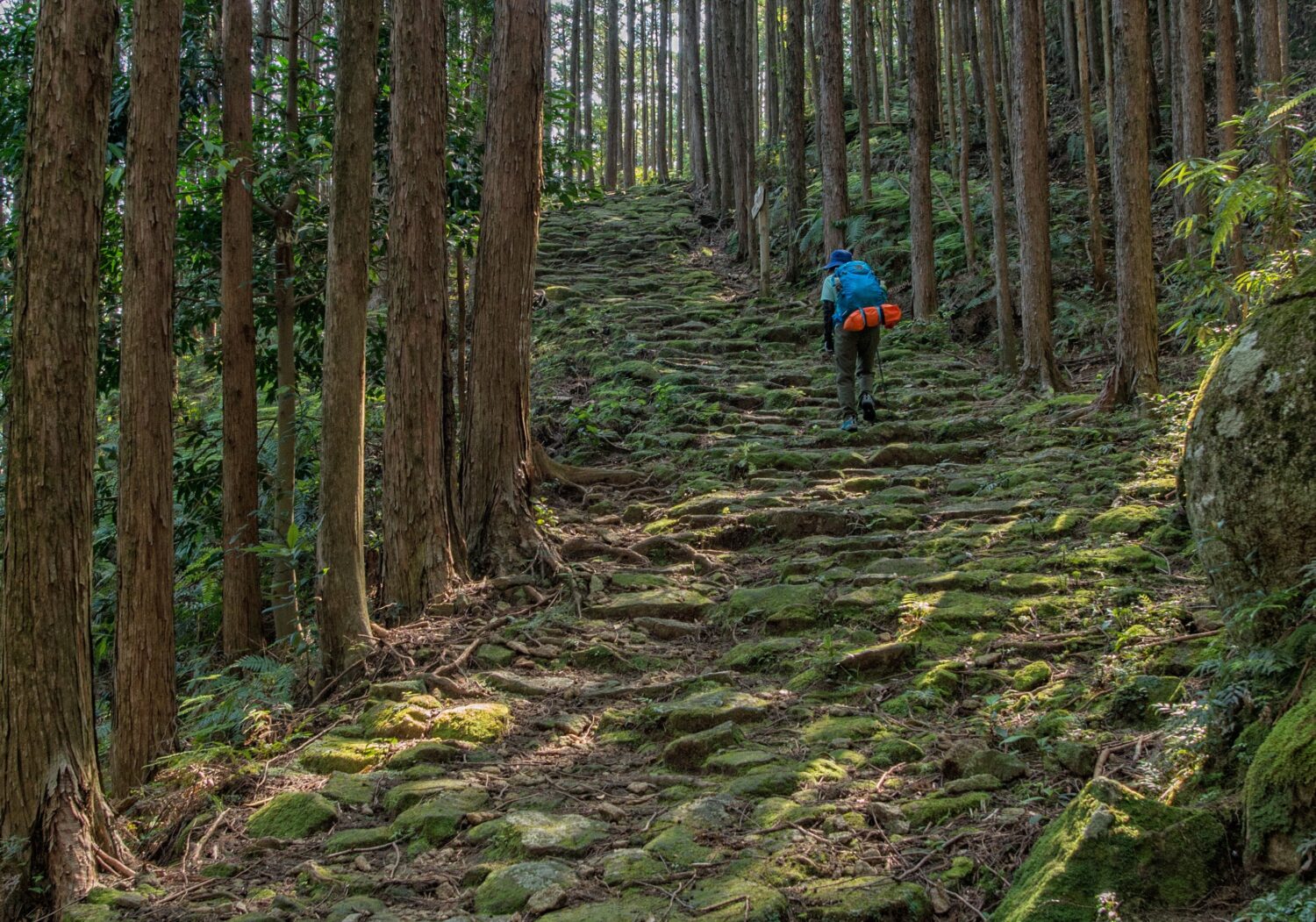
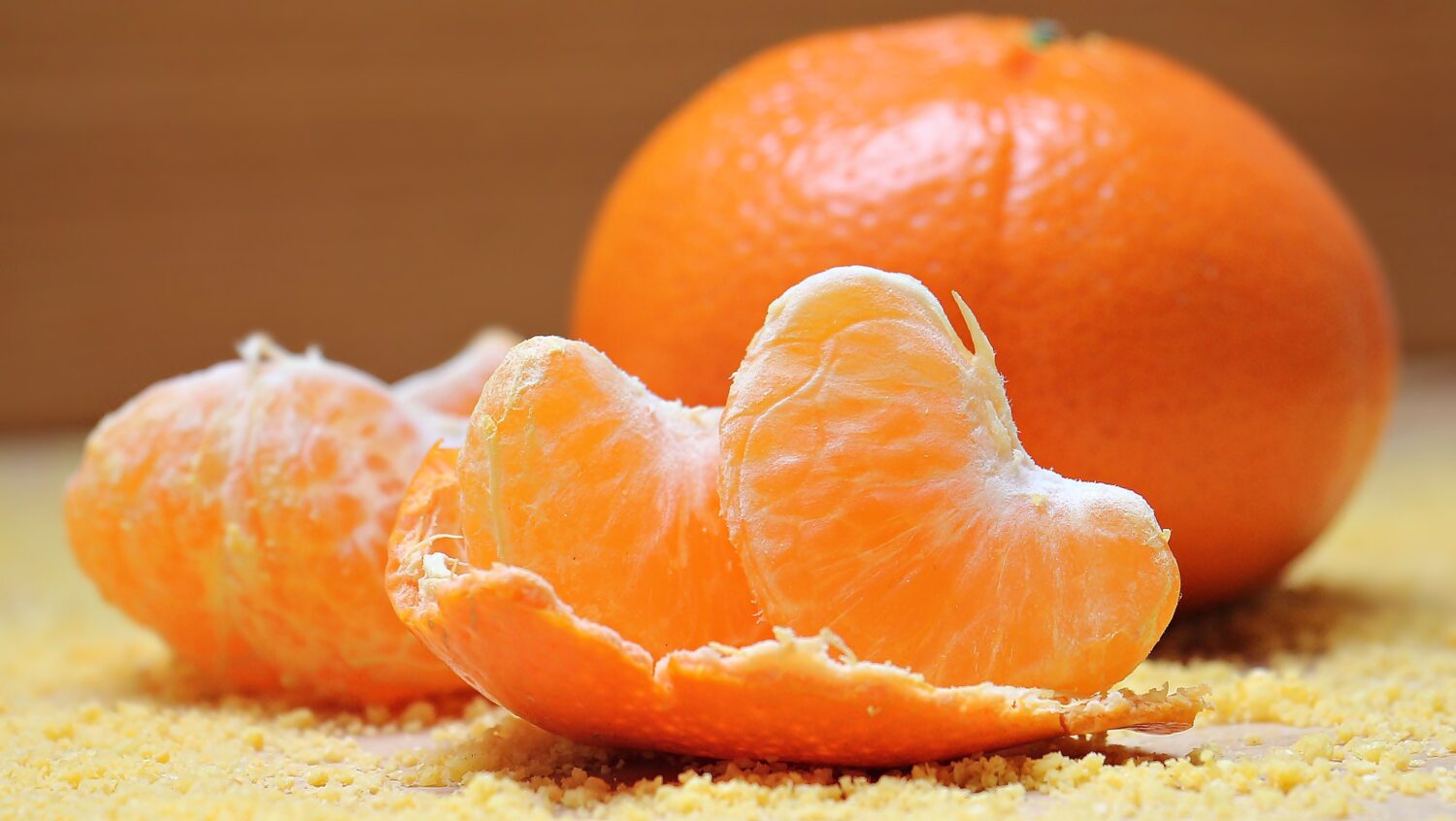
Wakayama is a breathtaking coastal prefecture known for its deep spiritual roots, mountain landscapes, and citrus orchards. ▣ Must-Visit Landmark Nachi Falls & Kumano Nachi Taisha 熊野那智大社 ・那智大滝 Located along the ancient Kumano Kodo pilgrimage routes, Nachi Falls is Japan’s tallest single-drop waterfall. The sight of the roaring water cascading down the mountain right next to the brilliant orange three-story pagoda of Kumano Nachi Taisha shrine, one of Japan’s most cinematic views. It offers a perfect blend of natural power and artistic structure. Best Souvenirs ▣ Umeboshi (Pickled Plums) & Kishu Mikan Confections Wakayama produces Japan’s finest “Ume” (plums) and “Mikan” (mandarin oranges). Bring home the premium “Umeboshi (Pickled Plums),” known for their perfectly balanced sour-and-salty taste, or a box of citrus-infused sweets made from local sun-ripened Wakayama mikan. |
| Art of the Season: The Story of WAGASHI |
|---|
| The history of Wagashi (和菓子) began humbly in ancient Japan as a kind of simple fruits, nuts, and grain dumplings used as religious offerings. However, its true evolution sparked during the Nara period (710 – 794) and Heian period (794 – 1185) when traveling monks brought back sophisticated sugar-shaping techniques from Tang dynasty in China. By the Edo period (1603–1867), wagashi is transformed from an aristocratic luxury into a Japanese style confectionery. As the Japanese tea ceremony (Chado) flourished, Japanese monks and artisans began crafting sweets specifically designed to complement the bitter notes of matcha greentea. What makes wagashi the ultimate souvenir is its connection to the four seasons. Artisans use natural ingredients like azuki bean paste (anko), rice flour, and agar to mimic the exact mood of each month, from pink cherry blossom petals in spring to the maple leaves in autumn. Bringing wagashi home is quite literally sharing an edible piece of Japanese season and hospitality (omotenashi). The Sacred Calendar: Go-Sekku and Year-Round Sweets In Japan, the year isn’t just measured by months, but by a poetic rotation of seasonal milestones known as Go-Sekku (五節句: The Five Seasonal Festivals). Rooted in ancient court rituals and the traditional lunar calendar, designated to ward off misfortune and celebrate growth. For each season, artisans craft exclusively the symbolic wagashi that locals look forward to all year long. Here is how the wagashi calendar beautifully unfolds across the five festivals: |
| SEASON | DATE | HIGHLIGHT SWEETS |
| Jinjitsu 人日 (Spring) | Jan 7: The Festival of Seven Herbs (七草の節句/ Nana Kusa no Sekku) | Hanabira Mochi (菱葩餅): A flat mochi folded over sweet white miso paste and a candied burdock root. Eaten on New Year’s for longevity. |
| Joshi / Hina matsuri 上巳 (Spring) | Mar 3: Girls’ Day / Peach Festival | Hishi Mochi & Hina-arare (菱餅・雛霰): Diamond-shaped pink, white and green rice cakes, colorful popped rice puffs representing health and spring renewal. |
| Tango no Sekku 端午の節句 (Early Summer) | May 5: Children’s Day / Iris Festival | Kashiwa Mochi & Chimaki (柏餅・粽): Rice cakes wrapped in oak leaves (symbolizing strong lineage) or bamboo leaves (to ward off evil). |
| Shichiseki / Tanabata 七夕 (Summer) | Jul 7: Star Festival | Kingyoku-kan (錦玉羹): Translucent agar jellies filled with gold leaf stars or miniature jelly goldfish to evoke the feeling of cool water in the heat days. |
| Choyo 重陽 (Autumn) | Sep 9: Chrysanthemum Festival | Kiku Wagashi (菊和菓子): Intricately sculpted nerikiri shaped like chrysanthemums, consumed with the wish for a long and healthy life. |
| The Micro-Seasons in Your Souvenir Box Beyond the five major festivals, the wagashi is rotating their menus on 72 micro-seasons. In late autumn, you will suddenly see sweets featuring roasted chestnuts (kurimushi yokan), while freezing winter weeks bring soft Tsubaki (camellia) mochi. When locals pick up a box of wagashi at a long established shop in Kyoto, they aren’t just buying food, they are securing a fleeting snapshot of that precise week in Japan. |
| Best Local-Flavor Snacks |
|---|
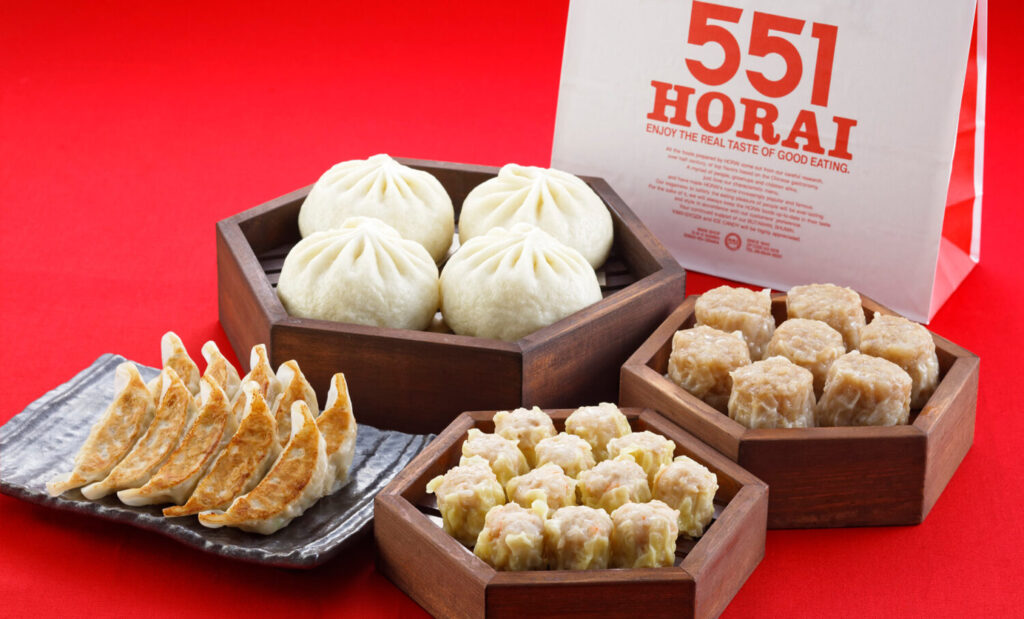
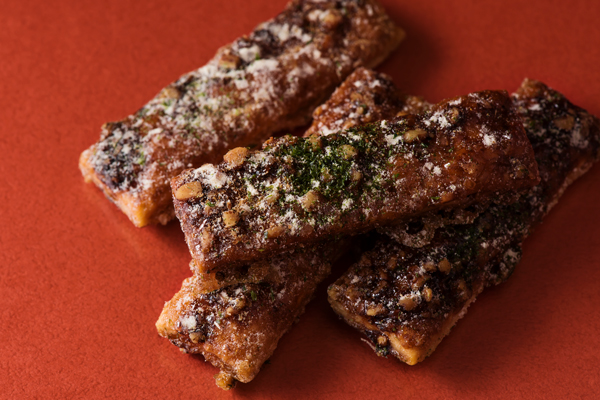
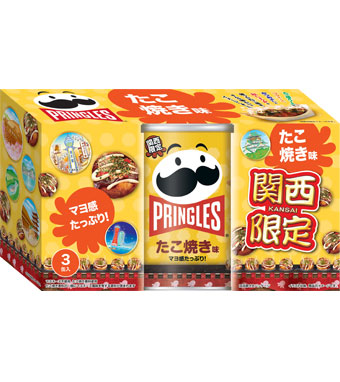
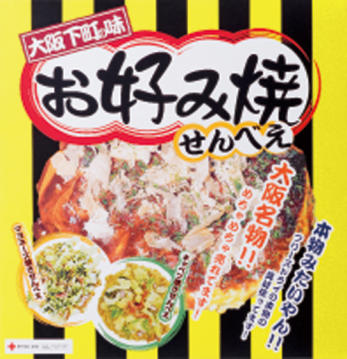
| ◉ 551 Horai (Pork Buns “Go Go Ichi Horai”): Detail: an undisputed king of Osaka food culture. These handmade Buta man (pork buns) feature a chewy dough wrapped around a highly juicy filling of coarsely minced pork and onions. Because freshness is strictly controlled, they are only sold in Kansai region. Important Rule: They have an intensely delicious aroma. Avoid eating them on local commuter trains! For long flights or train rides home, purchase their specially designed Chilled (Reitō) packs paired with cold insulation bags at the kiosks in major airports, department stores and train stations. Price Range: ¥500 for standard 2 pieces in a box, chilled gift sets range from ¥1,080 (4 pieces in a box) depending on the inclusion of their famous shumai dumplings. *** This new price start from 1st September 2026) WEB: https://www.551horai.co.jp/ ◉ Kansai-Exclusive Pringles (Takoyaki Flavor): A popular Kansai exclusive product perfectly replicate the tangy taste of Osaka’s famous octopus balls, complete with notes of sauce, Japanese mayo and ginger. Detail: Only available in the Kansai region. Sold in a distinctive 3-can gift box featuring colorful illustrations of Osaka landmarks, these potato chips perfectly capture the tangy sauce and pickled ginger notes of authentic takoyaki. Price Range: Approximately ¥700 per 3-can souvenir set. WEB: https://www.pringles.com/ ◉ Tako Patie (Takoyaki Pastry) by Hyogetsudo: An award winning pastry that transforms the street food into a popular dessert. It balances the savory flavor of takoyaki (complete with bonito flakes and seaweed) with a crunchy pastry glaze. Detail: A brilliant pastry experiment that won local culinary awards. Osaka pastry chefs take the takoyaki ingredients including real octopus flakes, seaweed, mayonnaise and savory sauce, and layer them on a caramelized puff pastry. Price Range: ¥700 – ¥1,500 per gift box. WEB: https://hyogetsudo.com/ ◉ Okonomiyaki Senbei by Osaka no Aji honpo: The rice crackers topped with freeze-dried ingredients like cabbage, ginger and shrimp to recreate the exact taste of Osaka’s pancakes “Okonomiyaki“. Detail: A creative snack that replicates Osaka’s famous pancake in rice cracker form, topped with real ingredients including cabbage, pickled red ginger (beni shoga), shrimp, and seaweed sprinkles (aonori). It delivers an authentic crunch packed with tangy okonomiyaki sauce flavor. Price Range: ¥450 (small pack) to ¥700 – ¥1,500 for larger souvenir gift boxes WEB: https://www.okashi-osaka.or.jp/ |

| Best Premium Sweet Souvenir |
|---|
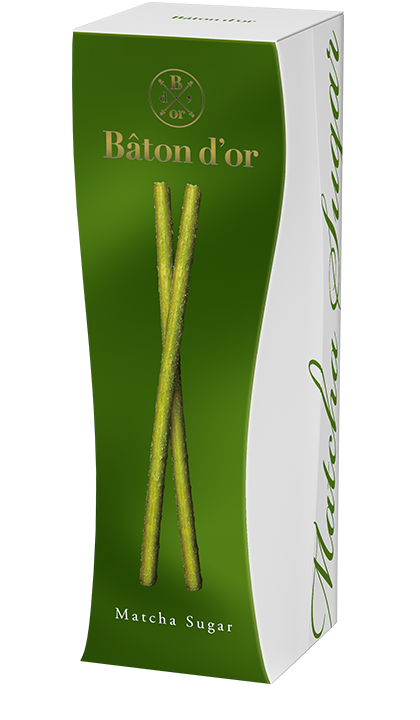
| ◉ Baton d’or: Known colloquially as the “luxury Pocky,” this upscale product line by Glico is only sold in selected department stores and airports in Kansai region. Made with rich butter, the thick biscuit sticks come in premium flavors like Sugar Butter, Lemon Sugar, Milk Sugar, Black Tea Sugar, Strawberry Sugar, Roasted Butter, KOBE PLAIN and Matcha Sugar. Detail: Created by Glico, these premium biscuit sticks are made by special butter and only sold at selected luxury department stores (like Hankyu Umeda) and Kansai International Airport, and often drawing long queues. Top Flavors: Sugar Butter (classic rich buttery taste), Uji Matcha greentea (deep aromatic) and seasonal rotations like Mellow Cacao, Black Tea Sugar or Sakura flavor. Price Range: ¥600 to ¥1,200 per box depending on the flavor. WEB: www.glico.com/jp/batondor/ ◉ Tsukigesho Milk Manju: The baked pastry filled with a rich blend of white bean paste, condensed milk and high quality butter. It has a massive local following and pairs wonderfully with coffee or greentea. Detail: This multi-award-winning baked pastry from Osaka features an outer dough wrapped around a velvety filling made from a blend of white azuki beans, premium grade condensed milk and fresh Japan-made butter. Price Range: Box of 6 starting around ¥900. WEB: https://en.tsukigesho.com/ ◉ Eemonchi (Black Soybean Madeleines) by GOKAN: A decadent madeleine cake made with domestic rice flour and fermented butter, featuring a hidden layer of sweet black soybeans at the bottom. Detail: Eemonchi (ええもんちぃ) is made by the famous Osaka patisserie house “Gokan”. These exceptionally fluffy madeleine cakes are baked using a blend of domestic Japanese rice flour, wheat flour, and rich fermented butter. At the very bottom of each cake lies three plump, sweet Tanba black soybeans (kuromame), adding a delightful texture and traditional Japanese depth to a classic French pastry. Price Range: ¥450 (3-pack mini-box) to ¥1,500 – ¥2,800 for larger gift boxes. WEB: https://patisserie-gokan.co.jp/ ◉ Beard Papa (Fresh Custard Cream Puffs): While this globally recognized bakery franchise can now be found worldwide, but it actually originated in Osaka since 1999. Detail: Grabbing a box at a transit hub ensures you are tasting the original Japanese formulation, featuring double-layered choux cream pastry shells filled fresh to order with whipped vanilla bean custard. Top Flavors: Classic Pie Cream Puff and limited-edition monthly specials like Premium Hokkaido Fresh Cream or Strawberry Cream. Price Range: ¥220 – ¥350 per individual cream puff; multi-packs available around ¥980. WEB: https://www.beardpapas.com/ |
| Top Traditional Sweet Souvenirs |
|---|
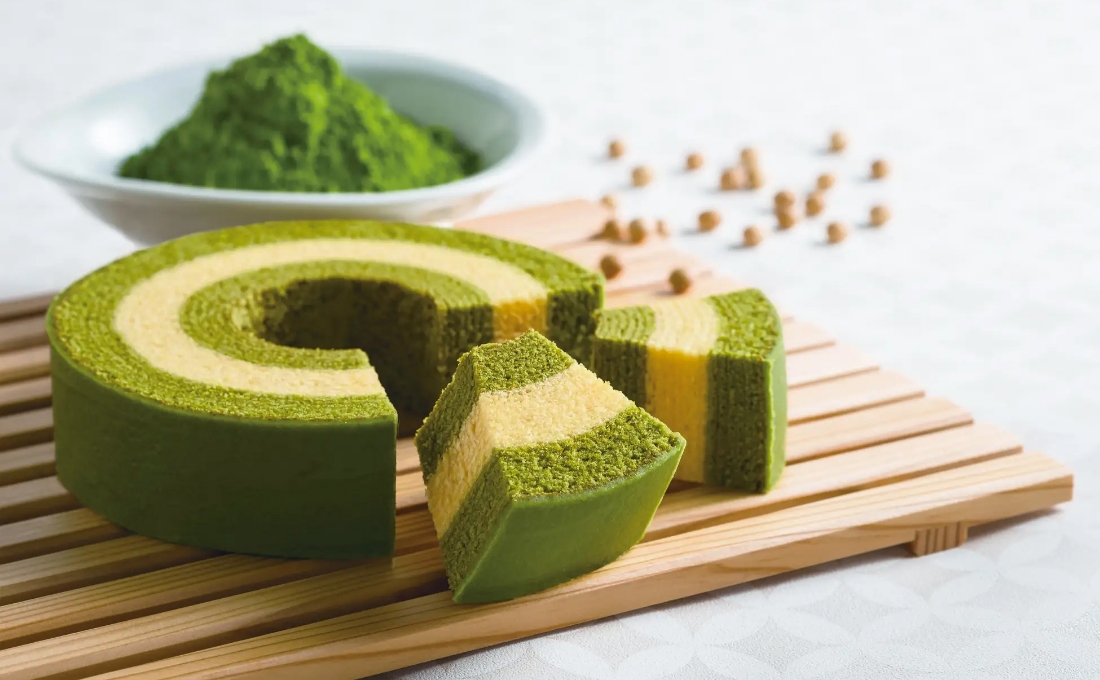
| ◉ Kyo-matcha Baum: A Kyoto-style Baumkuchen cake. Infused with premium Uji matcha greentea and Tofu soy milk with an authentic flavor. Detail: A Baumkuchen (spit-roasted layer cake) visually styled to look like a Kyoto bamboo stalk. The cake layers alternate between a rich Uji matcha greentea sponge and a creamy soy milk batter, finished with a crisp matcha sugar glaze. Price Range: Around ¥1,200 – ¥1,600 per set. WEB: https://kyobaum.com/ ◉ Nama Yatsuhashi | 生八つ橋 (Otabe / Hijiri): This triangle-shaped fresh rice flour sheets wrapped the sweet red bean paste, often scented with cinnamon, sesami. strawberry, chocolate or matcha greentea flavor. Detail: This Kyoto’s most iconic sweets is made in the triangular sheets by chewy rice flour dough wrapped around sweet red bean paste (anko). Top Flavors: Traditional Cinnamon (Nikki), Sesami, Uji Matcha greentea and modern variants such as chocolate or strawberry. Price Range: ¥600 – ¥1,100 per box depending on size and filling types. OTABE: www.otabe.kyoto.jp/ HIJIRI: https://shop.shogoin.co.jp/ |
| Sticker Connection For STICKART, we believe that every creation is a journey of body and soul. Traveling through Kansai fills your mind with new inspirations from the various graffiti of Osaka’s back alleys to the precise elegance of Kyoto’s traditional motifs and the mystic nature of Wakayama. Why let those memories fade when you return home? Commemorate your Kansai adventure by taking your favorite visual inspirations and turning them into durable vinyl stickers. Plaster them onto your suitcases, laptops or water bottles to keep the spirit of Kansai with you wherever you travel next. Make Your Travel Souvenirs Stick Forever! As you travel through these iconic landmarks collecting delicious regional treats like Okonomiyaki Senbei and Eemonchi, don’t let your luggage look bare. The vibrant street colors of Osaka and the intricate designs of Kyoto are meant to be celebrated. Head over to the official Stickart Online Store to get high quality weather-resistant stickers. Take a look at the specialized designs in the Stickart Artist Series to find high quality reflective stickers that look amazing on suitcases, Skateboards, cars or water bottles, making your travel gear just as memorable as the souvenirs inside them. |
| STICKART (ステッカート) |
|---|
| ▶︎ 大阪発のデザイン・ステッカー専門店 A sticker store designed by artists from Osaka, Japan ▶︎ Powered by AG-TECH™: 夜間も目立つ反射素材採用 | 3年以上の屋外耐候・完全防水 Reflective sticker for high visibility at night, 100% waterproof and weather-resistant for outdoor use for 3 years+ ■ 購入金額1,500円(税込)以上で送料無料(日本全国) We offer free nationwide shipping on all purchases of 1,500 yen or more (tax included). |